Tropical Plants
Prayer Plant
Maranta leuconeura
In short: Medium light · medium water needs · non-toxic to cats and dogs (ASPCA)
With leaves that fold up like hands in prayer each evening, this living artwork brings daily wonder to any room.
- Light
- Medium
- Water
- Medium
- Humidity
- High
- Growth
- Medium
- Mature size
- 1-2 feet
- Temperature
- 60–80°F (16–27°C)
Spring · Prayer Plants can produce small, delicate white and purple flowers on thin stalks in spring — charming but easy to miss. The foliage is the real star.
Last updated
Overview
Why the Prayer Plant Captivates
Few houseplants put on a show quite like the Prayer Plant (Maranta leuconeura). Every evening, its beautifully patterned leaves fold upward like hands in prayer — a phenomenon called nyctinasty — then unfurl again at dawn. It's a living piece of art that genuinely interacts with the rhythm of the day.
A Tropical Beauty for Your Home
Native to the Brazilian rainforest, the Prayer Plant thrives in warmth and humidity, making it a natural fit for bathrooms and kitchens. Its low, spreading habit makes it ideal as a tabletop accent or in a shallow planter. The striking herringbone-patterned leaves feature shades of green, red veins, and dark spots that rival any painted canvas.
Popular Varieties
- Red Prayer Plant: Deep red veins on olive-green leaves — a widely grown variety
- Lemon Lime: Bright chartreuse and dark green stripes
- Kim: Cream and green variegation with purple undersides
Pet-Friendly Pick
Good news for pet owners — the ASPCA lists the Prayer Plant as non-toxic to cats and dogs.

Watering
Keep the soil consistently moist but never soggy. Water when the top inch feels dry — typically every 5-7 days. Use filtered or distilled water if possible, as Prayer Plants are sensitive to fluoride and chlorine in tap water, which can cause brown leaf tips.
Tip: Let tap water sit overnight before using to allow chemicals to dissipate.

Light
Medium to bright indirect light is ideal. Direct sun will fade and scorch the beautiful leaf patterns. Too little light, and the leaves won't fold at night as dramatically. An east-facing window or a few feet back from a south-facing one works perfectly.

Soil
A peat-based potting mix with added perlite works well — the soil should retain moisture without becoming waterlogged. A ratio of 2 parts peat, 1 part perlite, and 1 part compost keeps roots happy.

Fertilizing
Feed every two weeks during spring and summer with a balanced liquid fertilizer diluted to half strength. Skip winter feeding entirely when growth slows down.

Propagation
Divide the plant at the roots during repotting in spring — each division should have a healthy cluster of stems and roots. Stem cuttings with a node also root well in water within 2-3 weeks. Division is easier and faster.

Repotting
Repot every 1-2 years in spring, using a pot just one size up. Prayer Plants have shallow root systems, so a wide, shallow pot works better than a deep one.

Common problems
Brown leaf tips: Low humidity or chemicals in tap water — increase misting and switch to filtered water.
Curling leaves: Underwatering or too much direct light. Check soil moisture first.
Fading leaf patterns: Usually too much direct sun bleaching the markings.
Yellow leaves: Overwatering — let soil dry out a bit more between waterings.
Pro tips
Humidity hack: Group with other tropical plants or place on a pebble tray filled with water to boost humidity naturally.
Night show: Set a time-lapse camera to capture the leaves folding and unfolding — it's mesmerizing.
Keep compact: Pinch back leggy stems in spring to encourage bushier, fuller growth.
FAQ
Prayer Plant questions
Starter kit
Get set up for your Prayer Plant
Untick anything you already have.
The basics


Extras for your Prayer Plant
Was this helpful?
Your answer helps us improve this page.
Your answer didn't go through. Please try again.
Thanks for your feedback!
Plant hub
Everything about Prayer Plant
Step-by-step guides

Similar plants
Plants like this one

Swiss Cheese Vine
Monstera adansonii

Fiddle Leaf Fig
Ficus lyrata
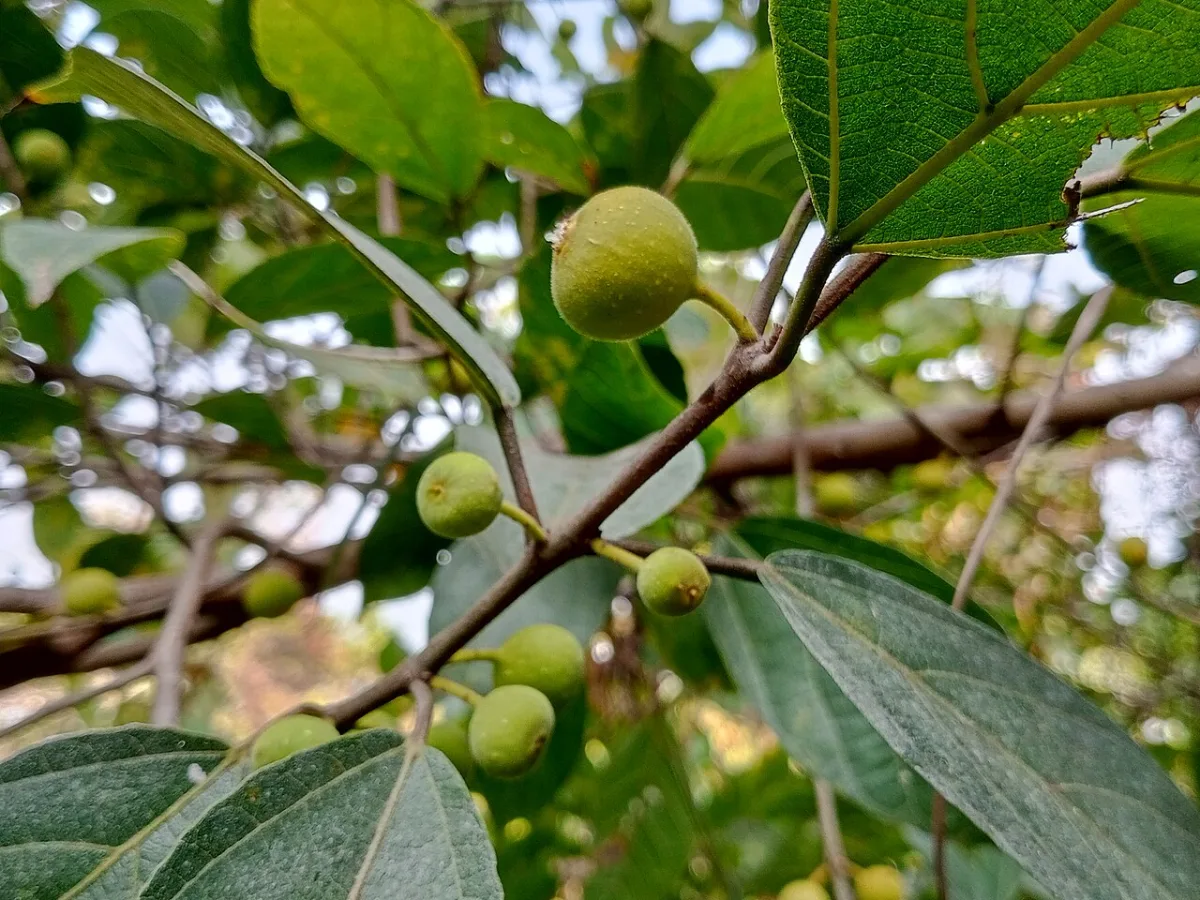
Fiddle Leaf Fig Bambino
Ficus lyrata Bambino
 Non-toxic to pets
Calathea
Calathea orbifolia
Free care tools
Keep your Prayer Plant thriving.
Get a watering schedule for your conditions, or work out what's wrong when something looks off.