Quick Summary
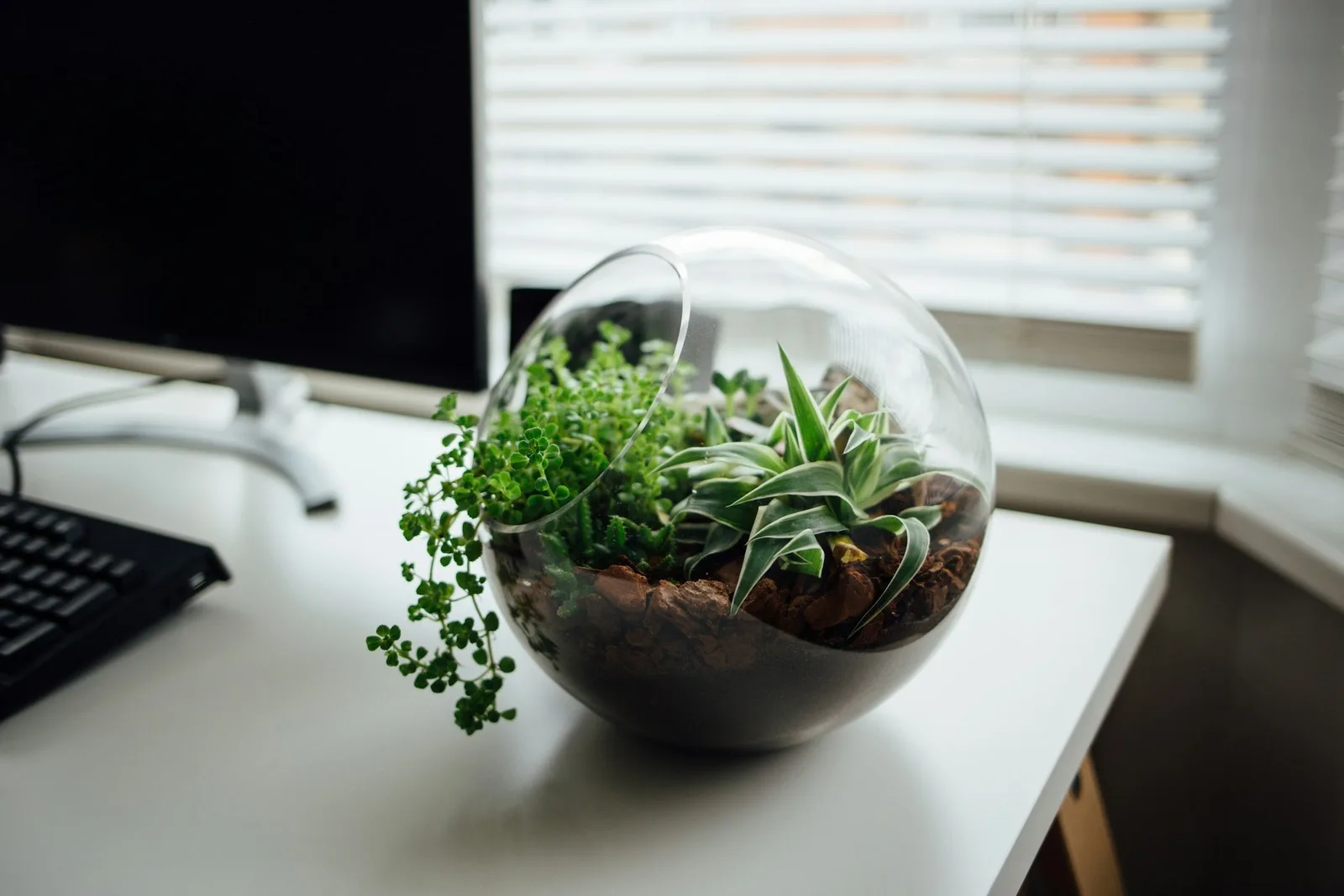
A terrarium is a miniature garden in a glass container. Open terrariums suit succulents and cacti; closed terrariums create a self-sustaining ecosystem for tropical plants, ferns, and moss. Build yours in layers: drainage gravel, charcoal, barrier, soil, plants, decorations. Most terrariums take under an hour to assemble and make stunning displays or gifts.
A terrarium is a miniature garden inside a glass container, and learning how to make a terrarium is easier than you might expect. They make beautiful displays, living centerpieces, and thoughtful gifts — and you can build one in under an hour with inexpensive supplies. Whether you want a lush tropical ecosystem or a dry desert scene, this guide walks you through everything from choosing your container to long-term maintenance.
Open vs. Closed Terrariums: A Detailed Comparison
The first decision you need to make is whether to build an open or closed terrarium. They look different, house different plants, and require different care.
| Feature | Open Terrarium | Closed Terrarium |
|---|---|---|
| Container | No lid — bowl, dish, or open jar | Has a lid or narrow opening — jar, bottle, cloche |
| Humidity | Low to moderate (matches room) | High (creates its own water cycle) |
| Best plants | Succulents, cacti, air plants | Ferns, moss, tropical plants |
| Watering | Every 1-2 weeks | Rarely — may go months without water |
| Airflow | Good — open to room air | Minimal — enclosed ecosystem |
| Mold risk | Low | Moderate — needs monitoring |
| Difficulty | Beginner-friendly | Slightly more advanced (humidity balance) |
| Lifespan | Months to years with care | Years to decades if balanced |
| Best for | Sunny shelves, desks, windowsills | Medium-light rooms, conversation pieces |
The science of closed terrariums: A closed terrarium works like a tiny Earth. Plants release moisture through transpiration, which condenses on the glass walls and runs back into the soil. This water cycle means the terrarium essentially waters itself. Meanwhile, the plants produce oxygen, and decomposing organic matter produces the CO2 plants need. When balanced, a closed terrarium can thrive for years with almost zero intervention.
What You Need: Complete Materials List
Here is everything you need, plus alternatives for each item:
| Material | Purpose | Budget Alternative |
|---|---|---|
| Glass container | Housing for the terrarium | Mason jar, fishbowl, large pickle jar, thrift store vase |
| Small pebbles or gravel | Drainage layer | Aquarium gravel, crushed terracotta, LECA balls |
| Activated charcoal | Filters water, prevents odors | Aquarium charcoal (same thing, often cheaper) |
| Sphagnum moss | Barrier between soil and drainage | Mesh fabric, landscape fabric, coffee filter |
| Potting soil | Growing medium | Succulent mix for open; regular potting soil for closed |
| Small plants | The stars of the show | Propagations from your own collection work great |
| Decorative elements | Landscape and style | Stones from outside, small sticks, miniature figurines |
| Long spoon / chopsticks | Planting tools for narrow containers | Pencil, fork, bamboo skewer |
| Spray bottle | Precise watering | Any small mister |
Pro Tip
Thrift stores are goldmines for terrarium containers. Look for interesting glass vases, cookie jars, cloches, fishbowls, and apothecary jars. You can build a stunning terrarium with an inexpensive container that looks far more expensive.
Best Plants for Terrariums
Choosing the right plants is the most important decision after container type. The key rule: only combine plants with similar needs.
For Closed Terrariums (8 Great Options)
- Fittonia (Nerve Plant) — the most popular terrarium plant, and for good reason. Compact, colorful (pink, red, or white veined leaves), thrives in humidity. Comes in dozens of varieties.
- Maidenhair Fern — delicate, lacy fronds that love the consistent moisture of a closed terrarium. Struggles in open air but thrives in glass.
- Button Fern — more compact than Maidenhair, with round leaflets on arching stems. Very well-suited to small terrariums.
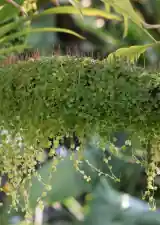
- Sheet Moss / Mood Moss — creates a lush green carpet. Essential for the "forest floor" look. Multiple varieties available.
- Peperomia — especially smaller varieties like Peperomia prostrata (String of Turtles). Compact growth, interesting leaf patterns.
- Baby Tears (Soleirolia) — tiny round leaves that form a dense mat. Excellent ground cover that fills in beautifully.
- Selaginella (Spikemoss) — not actually a moss but a fern ally. Loves humidity and stays compact. The "frosty" variety has white-tipped leaves.
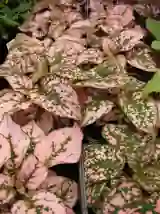
- Polka Dot Plant (Hypoestes) — colorful spotted leaves in pink, red, or white. Will need occasional pruning to stay compact.
For Open Terrariums
- Echeveria — rosette-shaped succulents in dozens of colors. Stay compact and look sculptural.
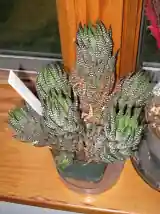
- Haworthia — small, slow-growing succulents with interesting textures. Haworthia fasciata (Zebra Plant) is a classic choice.
- Air plants (Tillandsia) — no soil needed at all. Rest them on decorative elements for a floating effect.
- Small cacti — choose slow-growing varieties that will not outgrow the container quickly.
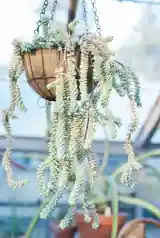
- Sedum — trailing varieties like Sedum morganianum (Burro's Tail) drape beautifully over edges.
- Living stones (Lithops) — tiny, fascinating plants that look like pebbles. Perfect conversation starters.
Step-by-Step: Building Your Terrarium
Follow these steps for both open and closed terrariums. The process is the same — only the plant selection and watering differ.
- Clean your container. Wash and dry thoroughly with hot water (no soap residue). Any bacteria can cause problems in this enclosed environment. For closed terrariums, sanitize with diluted isopropyl alcohol and rinse well.
- Add the drainage layer. Pour 1-2 inches of small pebbles or gravel into the bottom. This is critical because terrariums have no drainage holes. For smaller containers (under 6 inches), 1 inch is enough. For larger ones, use 2 inches. Make the layer even.
- Add activated charcoal. Sprinkle a thin layer (about half an inch) over the pebbles. Charcoal filters the water, prevents odors, and inhibits bacterial growth. This layer is especially important for closed terrariums where water recirculates. Do not skip this step — it is what keeps the terrarium fresh long-term.
- Add a barrier layer. Place a thin layer of sphagnum moss or mesh fabric over the charcoal to prevent soil from sinking into the drainage layer over time. This keeps the layers clean and distinct. If using sphagnum moss, soak it first, squeeze out excess water, and lay it flat.
- Add soil. Add 2-3 inches of potting mix. Use succulent mix for open terrariums, regular potting soil (mixed with a bit of perlite for drainage) for closed ones. Create a varied landscape — build up soil on one side higher than the other to add visual interest and depth. Tamp it lightly but do not compact it.
- Plan your layout. Before planting, place your plants (still in their pots or wrapped in plastic) on top to plan the arrangement. Consider height (tallest in back or center), color contrast, and texture variety. Odd numbers (3 or 5 plants) look more natural than even numbers.
- Plant your plants. Dig small holes, remove plants from their pots, gently loosen the root balls and trim any excess roots. Nestle them into the soil. Start with the largest plant, then fill in around it with smaller ones. Use chopsticks or a long spoon for narrow-necked containers. Firm the soil around each plant.
- Add decorative elements. Place stones, driftwood, bark pieces, or small figurines to create a landscape. Miniature mushrooms, tiny benches, small pebble paths, and moss-covered sticks add character. Less is often more — a few well-placed elements look better than a cluttered scene.
- Water lightly. Use a spray bottle to moisten the soil without flooding. For closed terrariums, less is more — you can always add water later but removing excess is harder. For open terrariums with succulents, water sparingly around the base of each plant.
- Clean the glass. Use a paper towel or cloth wrapped around a stick to wipe any soil off the inside glass walls. A clean container looks dramatically better.
Pro Tip
Never mix succulents and tropical plants in the same terrarium. They have completely different water and humidity needs and one group will inevitably suffer. Succulents rot in a closed, humid terrarium. Tropical plants dry out in an open one. Pick a lane.
Layer-by-Layer Visual Guide
Here is the complete layer structure from bottom to top:
| Layer | Material | Depth | Purpose |
|---|---|---|---|
| 1 (Bottom) | Gravel / pebbles | 1-2 inches | Drainage — excess water collects here |
| 2 | Activated charcoal | 0.5 inch | Filtration — keeps water fresh, prevents odor |
| 3 | Sphagnum moss / mesh | Thin layer | Barrier — prevents soil from mixing with drainage |
| 4 | Potting soil | 2-3 inches | Growing medium — where roots live |
| 5 (Top) | Plants + decorations | Varies | The living display |
Long-Term Care and Maintenance Schedule
Closed Terrariums
- Place in bright, indirect light (never direct sun, which overheats the glass and can cook the plants)
- If heavy condensation forms on the glass constantly, open the lid for a few hours to let it dry — some condensation is normal and healthy, but if you cannot see through the glass, there is too much moisture
- Trim plants that outgrow the space with small scissors — regular pruning keeps the terrarium balanced
- Water only if the soil looks completely dry and there is no condensation (may be months between waterings)
- Remove any yellowing or dead leaves promptly — decaying matter in a closed system can trigger mold quickly
Open Terrariums
- Water every 1-2 weeks depending on the plants and environment
- Provide bright light (succulents need more than tropical plants)
- Remove any dead or decaying material promptly
- Check soil moisture before watering — for succulents, the soil should be completely dry between waterings
- Dust the glass monthly for best appearance
Maintenance Schedule
| Task | Open Terrarium | Closed Terrarium |
|---|---|---|
| Watering | Every 1-2 weeks | Only when dry (weeks to months) |
| Trimming/pruning | Monthly | Every 2-4 weeks |
| Cleaning glass | Monthly | As needed (wipe exterior) |
| Removing dead material | When spotted | Immediately (prevents mold) |
| Checking for pests | Monthly | Monthly |
| Replacing plants | As needed | Rarely needed if balanced |
Troubleshooting Common Terrarium Problems
Mold or Fungus Growing on Soil or Plants
This is one of the most common closed terrarium issues. White or gray fuzzy growth usually appears when there is too much moisture and not enough airflow. Remove visible mold with a cotton swab dipped in diluted hydrogen peroxide. Open the lid for several hours daily until conditions stabilize. If a plant is heavily affected, remove and replace it. A light sprinkling of cinnamon on the soil acts as a natural antifungal.
Constant Heavy Fogging
Some condensation in a closed terrarium is healthy — it means the water cycle is working. But if the glass is completely opaque with droplets, there is too much water. Open the lid for 6-12 hours to let excess moisture evaporate. Repeat as needed until you achieve a balance of light condensation in the morning that clears by afternoon.
Plants Dying or Yellowing
Usually a light or water issue. If plants are stretching and pale, they need more light (but never direct sun through glass). If they are mushy or yellowing at the base, there is too much water. Remove affected plants, let the soil dry, and adjust your approach.
Algae Growth on Glass or Soil
Green algae appears when there is too much light and too much moisture. Move the terrarium away from the window, reduce water, and wipe algae off the glass. Activated charcoal helps prevent this — if you skipped that layer, consider restarting.
Pests (Fungus Gnats, Springtails)
Small flying insects are usually fungus gnats attracted to moist soil. Reduce watering and let the top layer dry. Tiny white jumping insects are likely springtails — these are actually beneficial in closed terrariums as they eat decaying matter and mold. Many terrarium enthusiasts intentionally add springtails as a cleanup crew.
Pro Tip
Add a small culture of springtails to your closed terrarium. These tiny white arthropods are nature's cleanup crew — they eat mold, decaying plant material, and fungal spores. You can buy springtail cultures online inexpensively. They are invisible to the casual observer and keep your terrarium healthy.
Gift Terrarium Ideas
Terrariums make incredible gifts because they are personal, creative, and living. Here are some ideas for different occasions:
- Housewarming: A closed terrarium in an elegant apothecary jar with moss and Fittonia. Include a small care card.
- Birthday: An open terrarium in a geometric glass container with colorful succulents and decorative stones.
- Teacher appreciation: A small mason jar terrarium with moss and a tiny figurine (gnome, animal, or book-related item).
- Holiday: A closed cloche terrarium with seasonal decorative elements — small pinecones, tiny ornaments nestled among the moss.
- DIY kit: Package the materials (container, gravel, charcoal, moss, soil, and a small plant) in a box with printed instructions. Let the recipient build their own.
Frequently Asked Questions
How long do terrariums last?
Open terrariums typically last 6 months to several years with proper care. Closed terrariums can last for years or even decades when properly balanced. The famous David Latimer terrarium in England has been sealed since 1972 and is still thriving. The key to longevity is choosing the right plants, not overwatering, and providing consistent indirect light.
Can I use a container without a lid for a tropical terrarium?
You can, but you will need to water more frequently and the humidity benefits will be reduced. A partially covered container (like a jar with a cork that you leave slightly ajar) is a good compromise. For humidity-loving plants like Fittonia and ferns, a closed or mostly-closed container produces much better results.
Where should I put my terrarium?
Bright, indirect light is ideal for both types. Never place a terrarium in direct sunlight — the glass acts as a magnifier and can cook the plants inside. A north-facing window, a bright shelf away from direct sun, or a spot that gets morning light only are all good choices. A grow light also works well and gives you placement flexibility.
My closed terrarium smells bad. What is wrong?
A foul smell usually means something is rotting — either a dead plant, decaying leaf material, or anaerobic conditions in waterlogged soil. Open the lid immediately and investigate. Remove anything dead or mushy. Check the drainage layer — if the charcoal layer was skipped or is insufficient, odor-causing bacteria can build up. You may need to partially rebuild the terrarium with fresh charcoal.