Tropical Plants
Nerve Plant
Fittonia albivenis
In short: Medium light · high water needs · non-toxic to cats and dogs (ASPCA)
Delicate veined leaves in pink, red, or white make the Nerve Plant a tiny work of art for terrariums and tabletops.
- Light
- Medium
- Water
- High
- Humidity
- High
- Growth
- Medium
- Mature size
- 3-6 inches
- Temperature
- 60–80°F (16–27°C)
Summer · Nerve Plants produce small yellowish-white flower spikes in summer, but they're insignificant compared to the foliage. Many growers pinch them off to r...
Last updated
Overview
Why the Nerve Plant Is Irresistible
The Nerve Plant (Fittonia albivenis) is one of those plants that stops people in their tracks. Its deeply veined leaves — in vivid pink, red, white, or green — look like nature's own stained glass. Compact and low-growing, it's a miniature masterpiece that thrives in the warm, humid conditions of terrariums.
The Drama Queen
Fair warning: the Nerve Plant is famously dramatic. When it gets too dry, it collapses in a theatrical faint — leaves drooping flat as if all hope is lost. Give it a good drink, and within hours it perks right back up like nothing happened. It's annoying and endearing in equal measure.
Terrarium Star
If there's one plant born for terrarium life, it's the Fittonia. The enclosed humid environment is exactly what it craves, and its compact size means it won't outgrow the container for ages. It's also stunning as a ground cover in mixed tropical arrangements.
Pet-Safe
Listed as non-toxic to cats and dogs by the ASPCA — its small size makes it a good fit for coffee tables and low shelves.

Watering
Keep the soil consistently moist — Fittonias hate drying out and will dramatically wilt to let you know. Water when the top of the soil just starts to feel dry. Use room-temperature water and ensure even moisture without waterlogging.
Tip: The dramatic wilting is actually a helpful built-in alarm system. Just don't let it happen too often.
Light
Medium to bright indirect light. Direct sunlight will scorch and fade the beautiful vein patterns. Low light is tolerated but colors become muted. A north-facing window or interior bathroom with a window is ideal. Fluorescent office lighting also works well.
Soil
Standard peat-based potting mix works well. The soil should retain moisture but not become soggy. Adding a bit of perlite helps with drainage while keeping the moisture Fittonias need.
Fertilizing
Feed monthly during spring and summer with a balanced liquid fertilizer at half strength. These small plants don't need much. Skip feeding in fall and winter entirely.
Propagation
One of the easiest plants to propagate. Take stem cuttings with 2-3 leaves, root them in water or moist soil — roots appear in 1-2 weeks. You can also divide established plants during repotting. Share freely with friends.
Repotting
Repot annually in spring if the plant outgrows its container. Use shallow, wide pots since Fittonias have shallow root systems. Refresh the soil even if the pot stays the same.
Common problems
Dramatic wilting: Underwatering — give it a drink and it'll bounce back within hours.
Crispy brown leaves: Low humidity or inconsistent watering. Move to a more humid spot.
Leggy growth: Insufficient light. Pinch back stems to encourage bushy growth and move to brighter location.
Yellowing leaves: Overwatering or poor drainage.
Pro tips
Terrarium home: Fittonias thrive in closed or semi-closed terrariums where humidity stays naturally high.
Pinch regularly: Pinch growing tips to keep the plant bushy and compact rather than leggy.
Group for humidity: Cluster with other humidity-loving plants to create a microclimate.
Remove flowers: Pinch off flower spikes to keep energy focused on those stunning leaves.
FAQ
Nerve Plant questions
Starter kit
Get set up for your Nerve Plant
Untick anything you already have.
The basics


Extras for your Nerve Plant
Was this helpful?
Your answer helps us improve this page.
Your answer didn't go through. Please try again.
Thanks for your feedback!
Similar plants
Plants like this one

Monstera Thai Constellation
Monstera deliciosa Thai Constellation
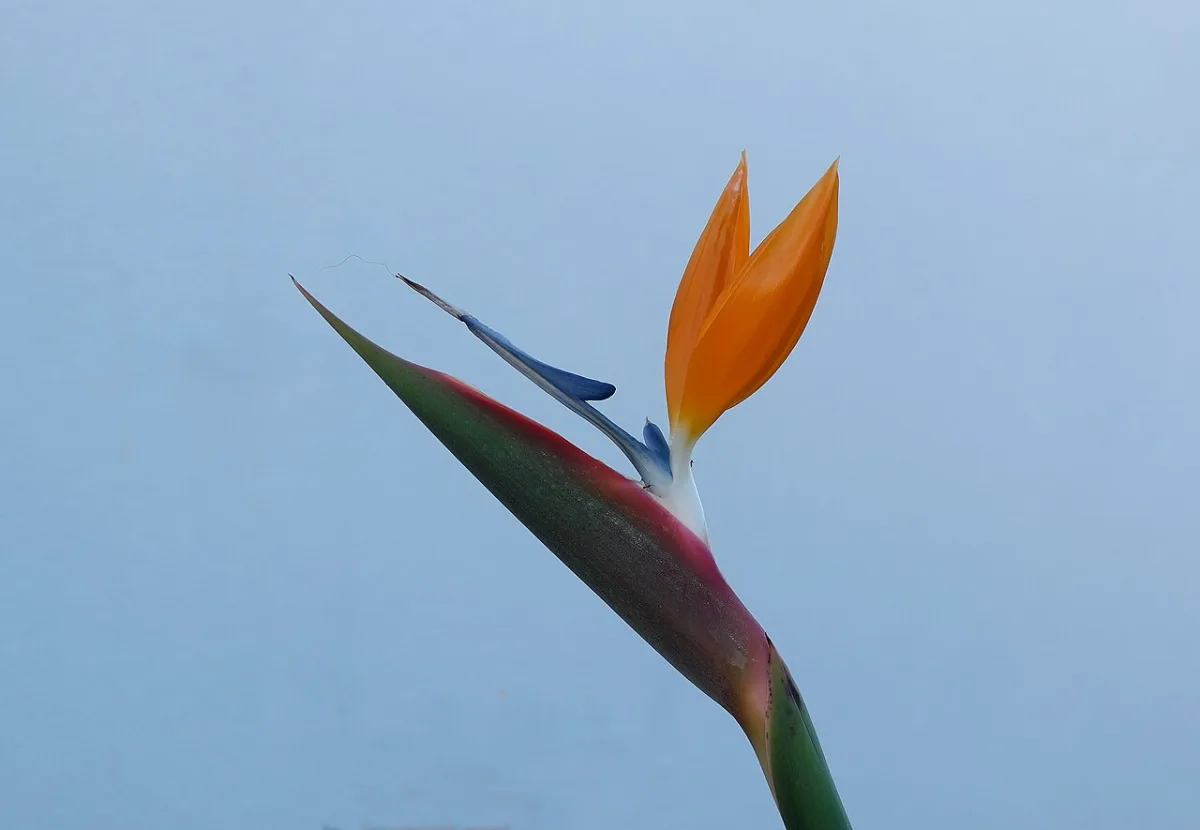
Bird of Paradise
Strelitzia reginae
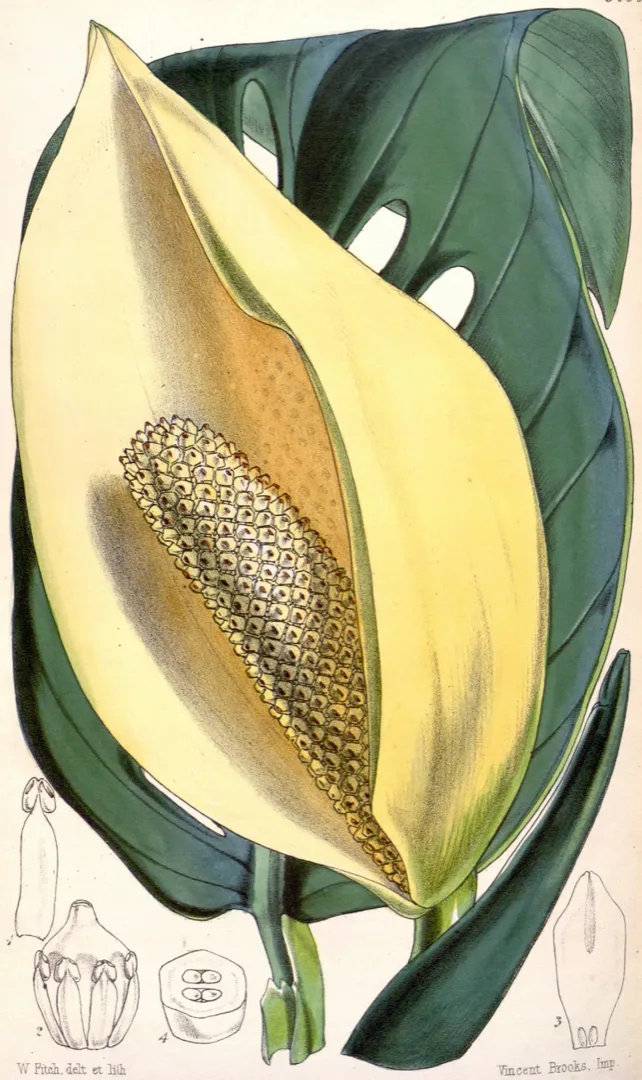
Swiss Cheese Vine
Monstera adansonii

Monstera Deliciosa
Monstera deliciosa
Free care tools
Keep your Nerve Plant thriving.
Get a watering schedule for your conditions, or work out what's wrong when something looks off.