Succulents & Cacti
Burro's Tail
Sedum morganianum
In short: Bright indirect light · low water needs · non-toxic to cats and dogs (ASPCA)
Cascading ropes of plump, blue-green leaves that can trail over 3 feet. A gorgeous trailing succulent for hanging planters.
- Light
- Bright Indirect
- Water
- Low
- Humidity
- Low
- Growth
- Slow
- Mature size
- Trails 2-4 feet
- Temperature
- 50–80°F (10–27°C)
Summer · Mature plants may produce small pink or red star-shaped flowers at the tips of stems in summer. Blooming is uncommon indoors but possible with enough l...
Last updated
Overview
Burro's Tail: The Cascading Succulent
Sedum morganianum, known as Burro's Tail or Donkey's Tail, is a stunning trailing succulent with thick, plump leaves densely packed along hanging stems like braided ropes.
Living Curtains
Mature plants create breathtaking cascading curtains of blue-green foliage that can trail 3-4 feet. In a hanging planter near a bright window, the effect is absolutely spectacular.
Handle with Care
- Leaves detach at the slightest touch
- Each dropped leaf can grow a new plant
- Find a permanent spot — avoid moving
- Worth the effort for the visual payoff
The closely related Sedum burrito (Baby Burro's Tail) has smaller, rounder leaves and is slightly less fragile.
Watering
Water thoroughly when soil is completely dry — every 10-14 days in summer, monthly in winter. Plump, firm leaves mean it has enough water. Slightly wrinkled or soft leaves mean it is thirsty. Never water on a schedule — check the soil.

Light
Bright indirect light or gentle morning direct sun. At least 4-6 hours of bright light daily. Too little light causes sparse, pale growth. Harsh afternoon sun can burn leaves. East or south-facing window ideal.

Soil
Fast-draining succulent/cactus mix with extra perlite or pumice. Drainage is critical. A hanging planter with drainage or a regular pot on a high shelf works well.

Fertilizing
Feed 2-3 times during growing season with diluted liquid succulent fertilizer. Very light feeder. No fertilizer in fall/winter.

Propagation
Effortless — every leaf that drops can grow a new plant. Lay fallen leaves on dry succulent soil, mist occasionally, and tiny plantlets emerge in weeks. Stem cuttings also work: let dry 2-3 days, then plant in dry mix.
Repotting
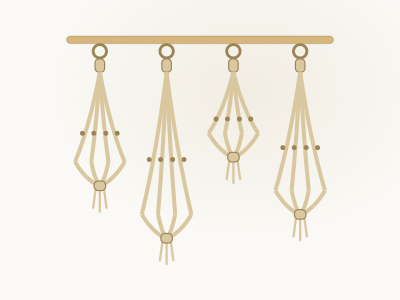
Rarely needed — every 3-4 years at most. The fragile leaves make repotting challenging. Work very carefully and accept some leaf loss. Use a wide, shallow hanging pot with drainage.
Common problems
Leaf drop: This plant drops leaves from being touched, moved, or even from wind. Place in a permanent spot and handle minimally.
Shriveled leaves: Underwatered — give a thorough soak.
Mushy stems: Overwatered. Reduce watering, check for rot, take healthy cuttings to save.
Sparse, leggy growth: Not enough light.
Pro tips
Do not touch: Leaves detach incredibly easily. Place in a final spot and leave it alone.
Leaf propagation: Every dropped leaf is a free plant. Keep a propagation tray below your hanging pot to catch them.
Patience pays off: Grows slowly but a mature, full Burro's Tail is a real showpiece.
FAQ
Burro's Tail questions
Starter kit
Get set up for your Burro's Tail
Untick anything you already have.
The basics

Extras for your Burro's Tail
Was this helpful?
Your answer helps us improve this page.
Your answer didn't go through. Please try again.
Thanks for your feedback!
Similar plants
Plants like this one
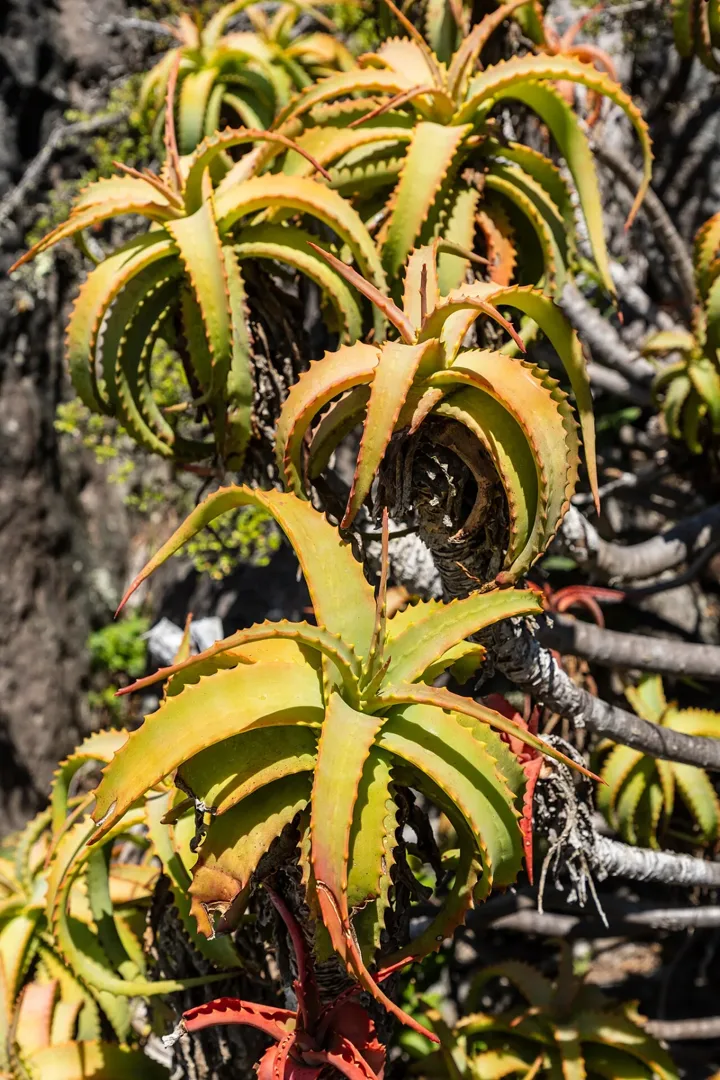
Aloe Vera
Aloe vera
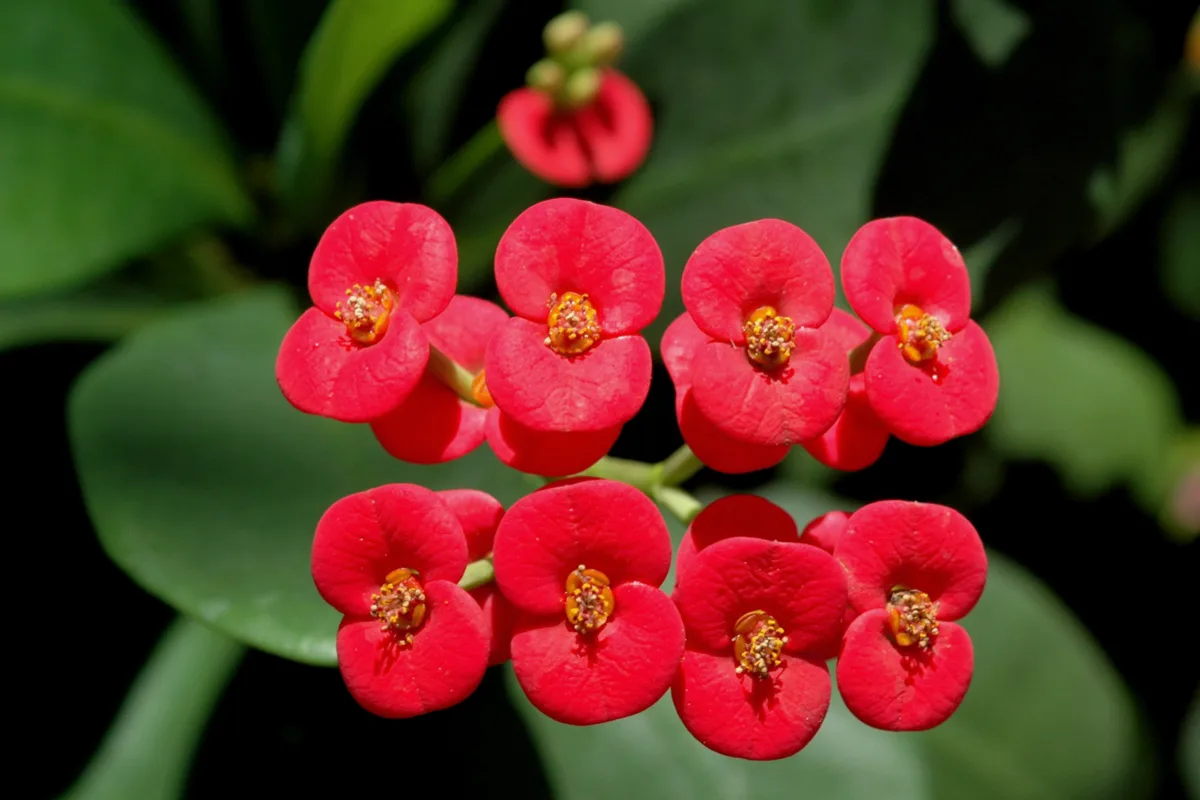
Crown of Thorns
Euphorbia milii
 Non-toxic to pets
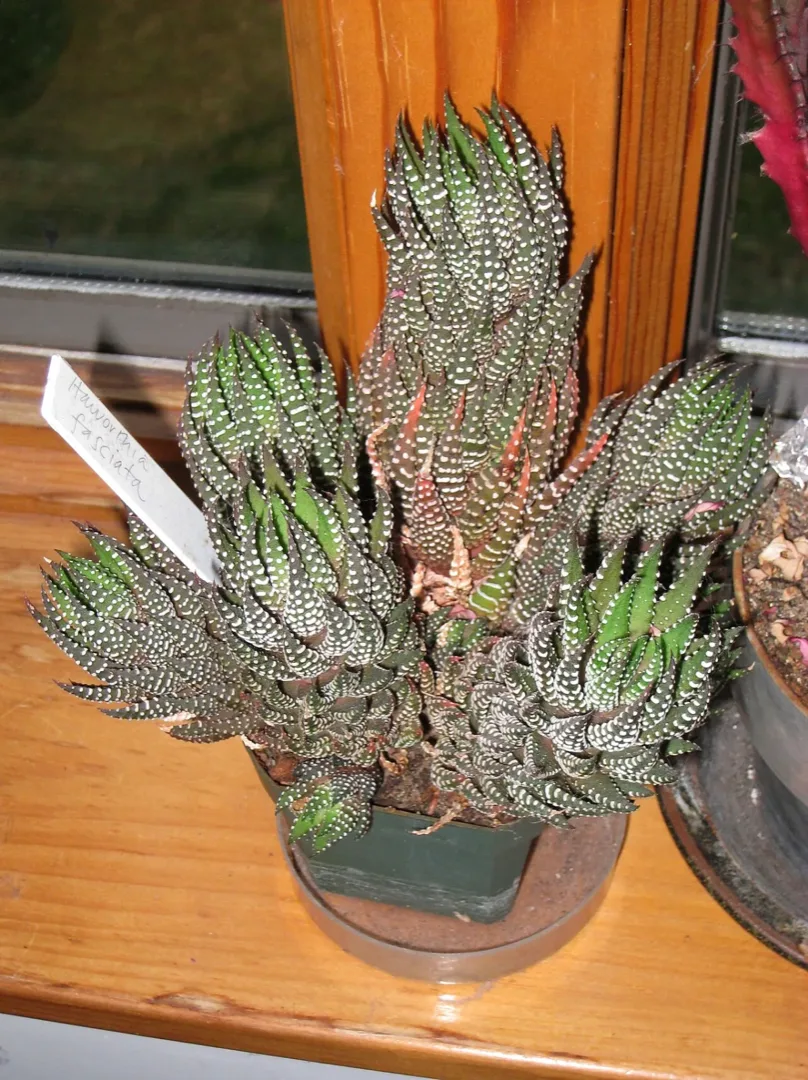
Haworthia
Haworthia fasciata
 Non-toxic to pets
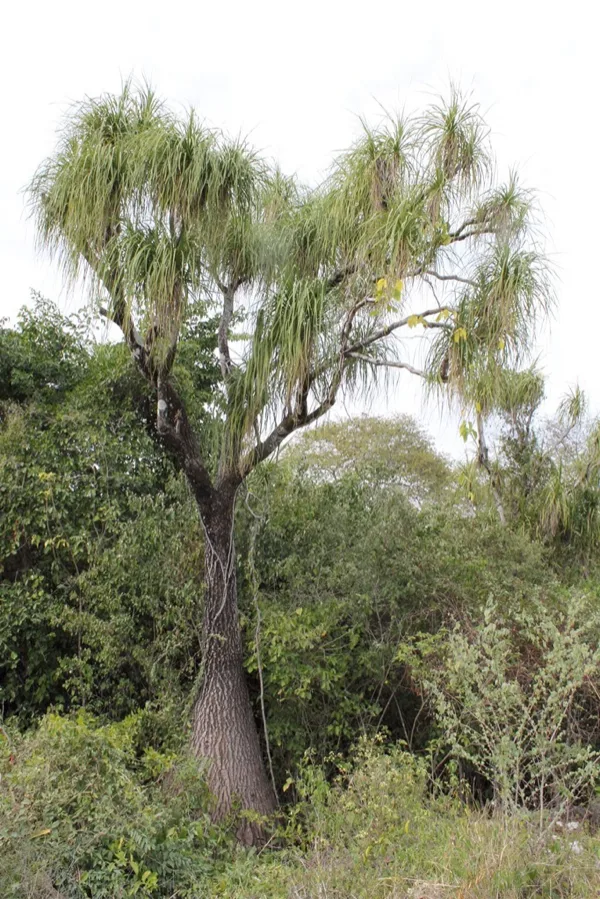
Ponytail Palm
Beaucarnea recurvata
Free care tools
Keep your Burro's Tail thriving.
Get a watering schedule for your conditions, or work out what's wrong when something looks off.