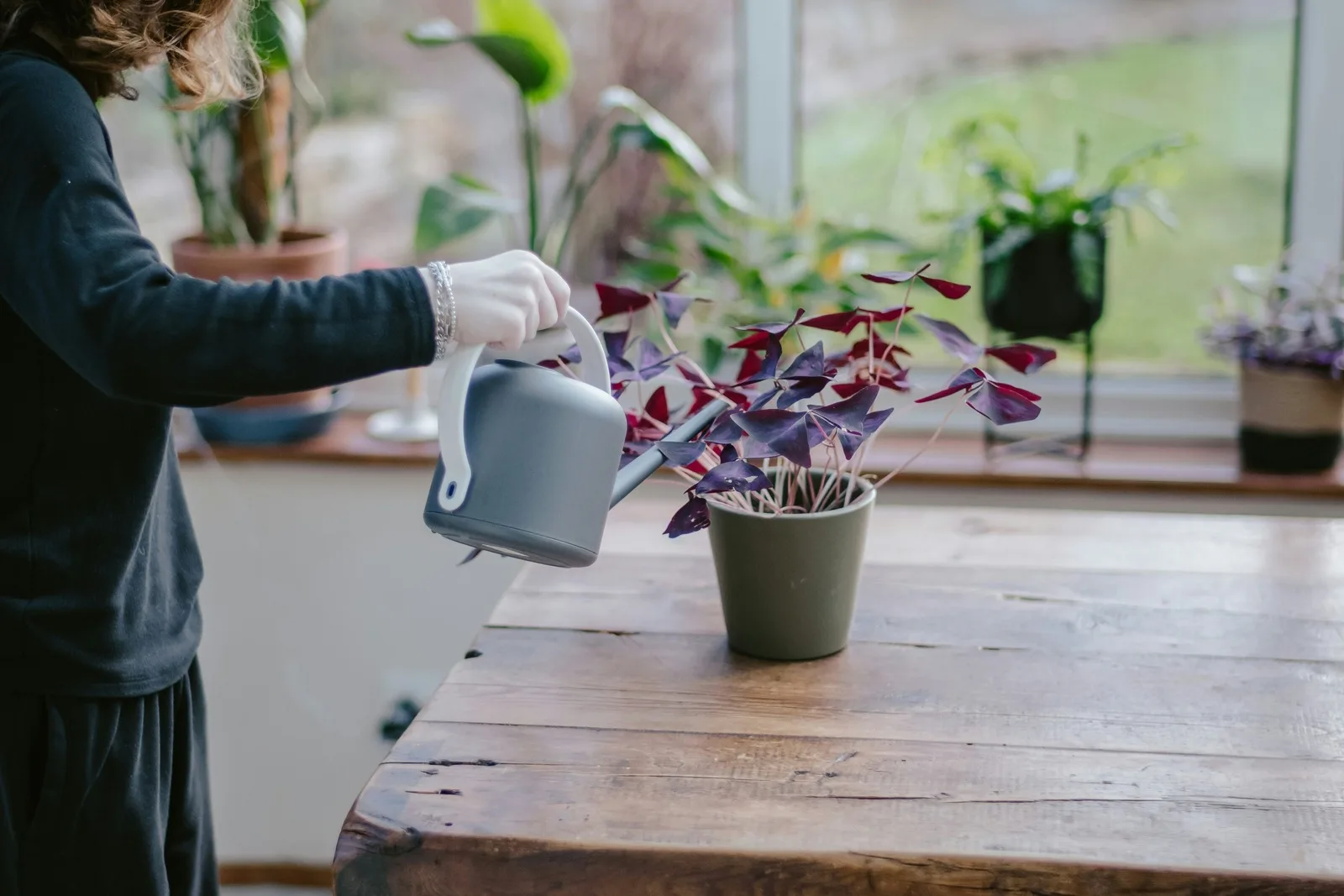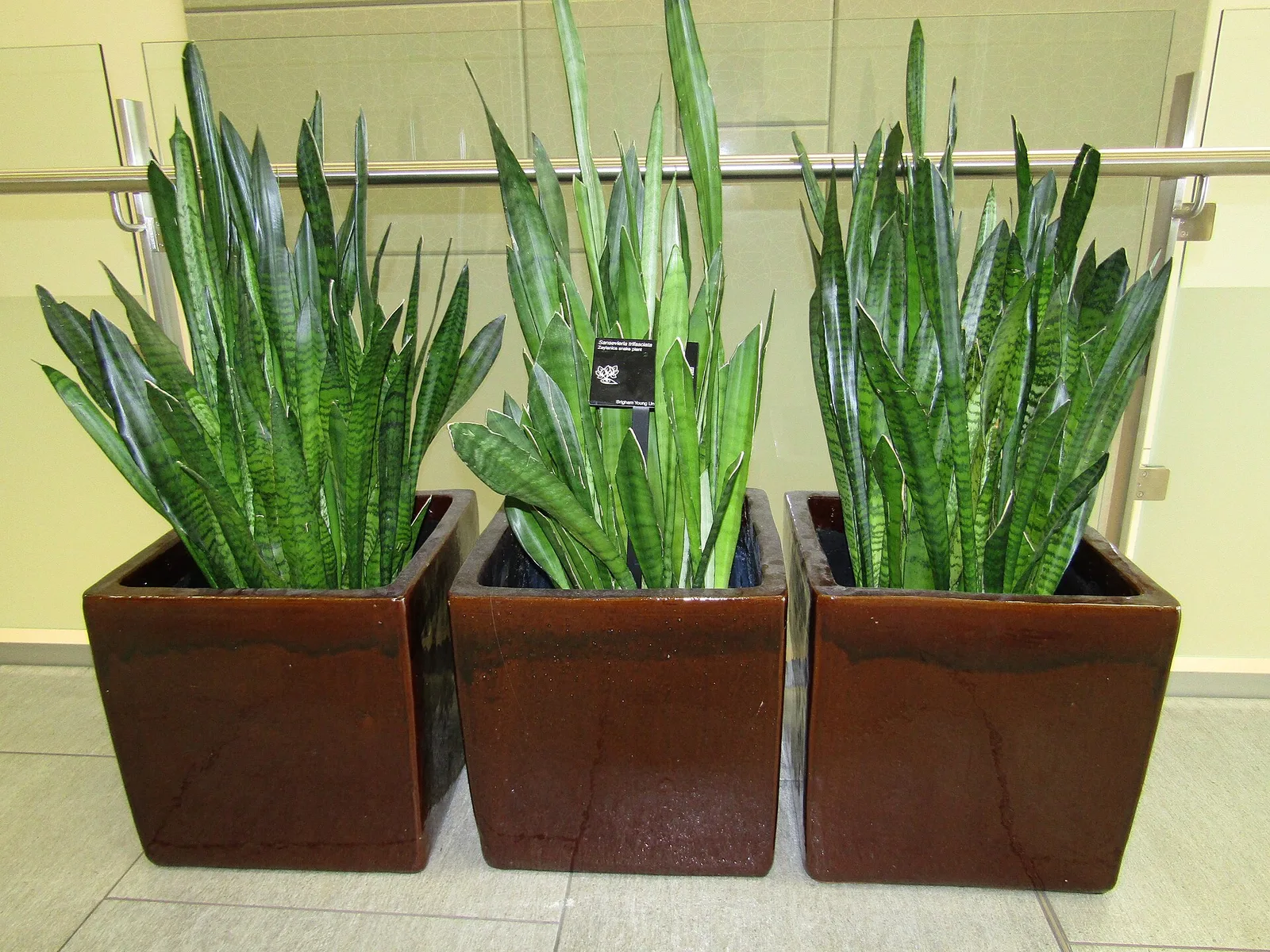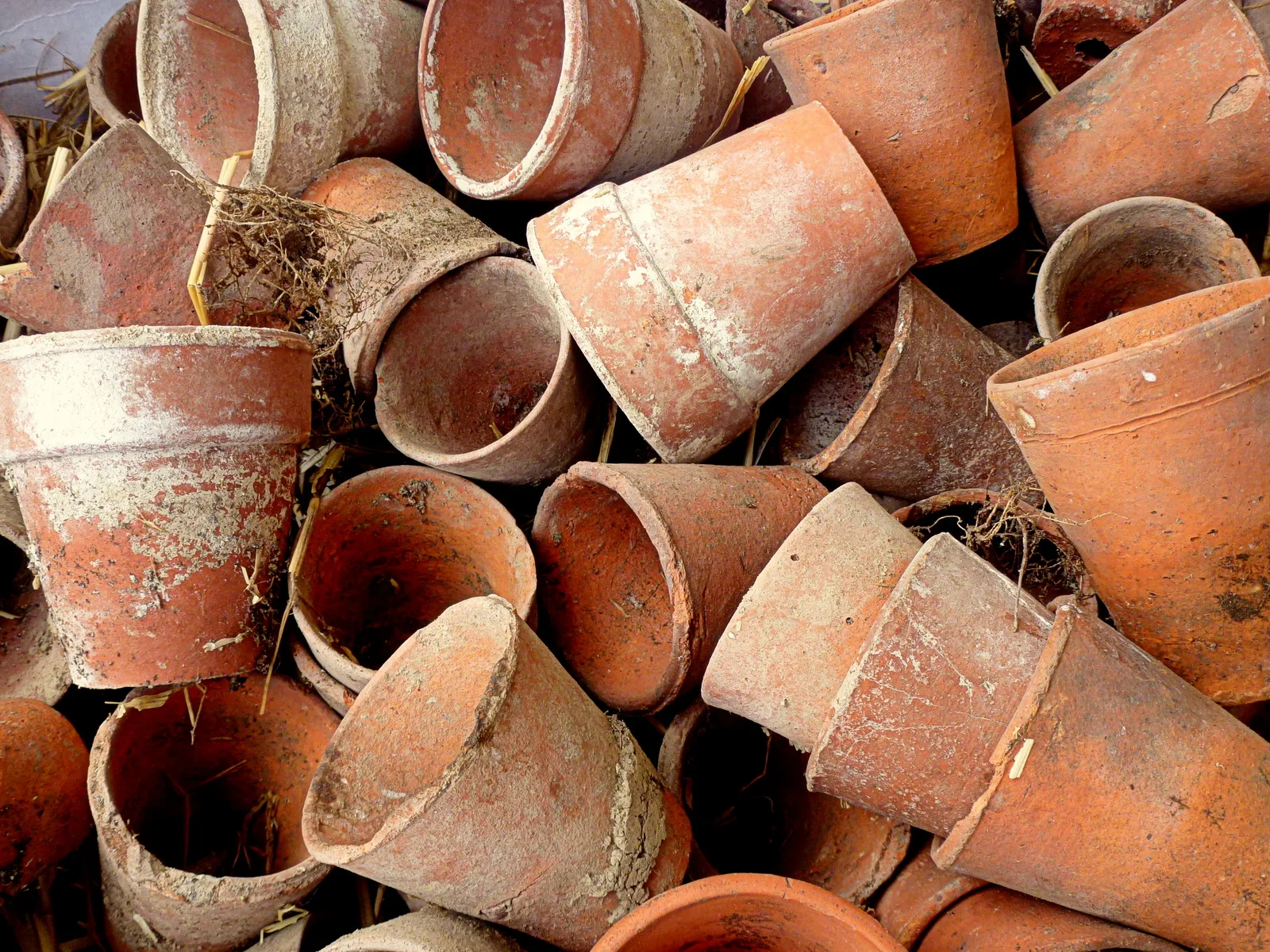
The pot you choose is not just an aesthetic decision — it directly affects how often you water, how fast soil dries, and whether your plant's roots stay healthy. Terracotta, glazed ceramic, and plastic are the three most common materials, and each has genuine strengths and weaknesses. There is no single best choice; the right pot depends on the plant, your watering habits, and your environment.
Quick Comparison Table
| Feature | Terracotta | Glazed Ceramic | Plastic |
|---|---|---|---|
| Breathability | Excellent (porous) | Low (glaze seals pores) | None |
| Moisture retention | Low — dries fast | Medium to high | High — dries slowest |
| Weight | Heavy | Heavy to very heavy | Very light |
| Drainage holes | Almost always yes | Sometimes (check before buying) | Usually yes (easy to add) |
| Durability | Fragile (cracks, chips) | Fragile (chips, breaks) | Very durable (rarely breaks) |
| Aesthetic | Warm, rustic, earthy | Wide range, polished look | Utilitarian (best hidden) |
| Frost-safe | No (cracks in freezing) | Some (depends on type) | Yes |
| Salt/mineral buildup | White crust on outside | Minimal visible buildup | None visible |
Terracotta: The Classic Choice
How It Works
Terracotta is unglazed, fired clay. Its key feature is porosity — the material has microscopic pores that allow air and moisture to pass through the pot walls. This means soil dries faster and roots get more oxygen. It is the most breathable pot material available.
Strengths
- Excellent drainage and airflow. The porous walls wick moisture away from the soil, making overwatering harder. Roots stay healthier because they get oxygen through the pot walls.
- Forgiving for overwaterers. If you tend to water too often, terracotta is your best friend. It compensates for heavy-handed watering by drying faster.
- Affordable. Basic terracotta pots are among the cheapest options.
- Timeless aesthetic. The warm, earthy orange-brown look works with almost any decor style and develops attractive patina over time.
- Nearly always has drainage holes. Standard terracotta pots come with a bottom hole.
Weaknesses
- Dries out fast. In warm or dry environments, terracotta can dry soil too quickly for moisture-loving plants. You may need to water twice as often compared to plastic.
- Heavy. Large terracotta pots are cumbersome to move, especially when filled with soil.
- Fragile. Drop a terracotta pot and it shatters. They also chip easily and can crack in freezing temperatures.
- Salt and mineral buildup. White crusty deposits appear on the outside as minerals in water and fertilizer wick through the porous walls. This is harmless but some people find it unsightly.
- Limited colors. Traditional terracotta only comes in its natural clay color. Painted or tinted options exist but lose some breathability.
Best Plants for Terracotta
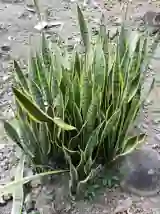
Succulents, cacti, snake plants, ZZ plants, pothos, aloe vera, jade plant, lavender, and any plant that prefers to dry out between waterings. Terracotta is the gold standard for drought-tolerant plants.
Glazed Ceramic: The Stylish Middle Ground
How It Works
Glazed ceramic pots are clay pots coated with a vitreous glaze — a glass-like finish that seals the clay's pores. This makes the pot non-porous or minimally porous, meaning moisture stays in the soil longer than with terracotta. The glaze also allows for a huge range of colors, patterns, and finishes.
Strengths
- Retains moisture longer. The sealed surface keeps soil moist for longer periods, reducing watering frequency compared to terracotta.
- Huge aesthetic variety. Available in every color, finish, and style imaginable — from minimalist matte white to ornate hand-painted designs.
- No mineral buildup on the outside. The glaze prevents the white crust that terracotta develops.
- Stable and weighty. The heft keeps tall plants from tipping over.
Weaknesses
- Drainage is not guaranteed. Many decorative ceramic pots lack drainage holes. Always check before buying, or drill your own (carefully, with a diamond-tipped bit).
- Expensive. Quality glazed ceramic pots cost noticeably more than terracotta or plastic, and designer pieces can cost much more.
- Heavy. Even heavier than terracotta due to the thicker walls common in decorative ceramics.
- Breakable. They chip and crack just like terracotta. The glaze can also craze (develop fine cracks) over time.
- Reduced breathability. Roots get less oxygen than in terracotta. Soil stays wetter longer, increasing the risk of root rot if you overwater.
Best Plants for Glazed Ceramic
Ferns, calathea, peace lily, philodendron, monstera, and other moisture-loving tropical plants that prefer consistently moist (not wet) soil. Also good for any plant where you want to water less frequently.
Plastic: The Practical Workhorse
How It Works
Plastic pots are completely non-porous. Zero air or moisture passes through the walls. Soil dries only from the top surface and through the drainage hole. This means plastic pots retain moisture the longest of the three materials.
Strengths
- Maximum moisture retention. Ideal for plants that like consistently moist soil or if you tend to underwater.
- Extremely lightweight. Easy to move, even in large sizes. Essential for hanging plants where weight matters.
- Very durable. Plastic pots rarely break, chip, or crack. They last for years.
- Cheapest option. Basic nursery pots are very cheap, and even decorative plastic pots are affordable.
- Easy to modify. You can drill drainage holes in seconds with a regular drill bit or even a heated nail.
- Easy to clean and sterilize. Wash with soap and water between plantings.
Weaknesses
- No breathability. Roots get oxygen only from the top of the soil. In dense or compacted soil, this can lead to anaerobic conditions and root rot.
- Overwatering risk. The slow drying increases the chance of soggy soil, especially for drought-tolerant plants.
- Aesthetics. Let us be honest — most plastic pots are not attractive. The standard black nursery pot is functional but not something you display proudly.
- Heat absorption. Dark plastic pots in direct sunlight can heat up and cook roots. Not ideal for outdoor use in hot climates.
- Environmental concerns. Plastic pots are petroleum-based and often end up in landfills. Recycling options are limited.
Best Plants for Plastic
Ferns, calathea, orchids, peace lily, and any moisture-loving plant. Also excellent as inner nursery pots placed inside decorative cache pots — this gives you the moisture retention of plastic with the aesthetics of ceramic.
The Cachepot Strategy: Best of Both Worlds
Many experienced plant owners use what is called a cachepot (cash-POH) setup: keep the plant in a standard plastic nursery pot with drainage holes, and set that inside a decorative ceramic pot without holes. This gives you:
- Reliable drainage (the nursery pot has holes)
- Easy repotting (just lift the nursery pot out)
- Style flexibility (swap the outer pot anytime without disturbing the plant)
- Simple watering (remove the inner pot, water in the sink, drain, replace)
The only rule: never let the inner pot sit in standing water in the outer pot. Either drain the outer pot after watering or elevate the inner pot on pebbles.
Which Pot for Which Situation?
| Situation | Best Pot Material | Why |
|---|---|---|
| You overwater | Terracotta | Dries faster, harder to drown roots |
| You underwater / travel often | Plastic or glazed ceramic | Retains moisture longer |
| Succulents and cacti | Terracotta | Fast drainage prevents root rot |
| Ferns and calathea | Plastic or glazed ceramic | Holds moisture for humidity lovers |
| Hanging plants | Plastic | Lightweight, won't fall and shatter |
| Large floor plants | Plastic nursery pot inside ceramic cachepot | Manageable weight with style |
| On a budget | Terracotta or plastic | Both are affordable |
| Style is priority | Glazed ceramic | Most attractive options |
Pro Tip
New terracotta pots should be soaked in water for 30 minutes before first use. Dry terracotta is so porous that it will immediately wick moisture away from the fresh soil and roots, leaving your newly potted plant thirsty. Pre-soaking saturates the clay so it does not compete with the plant for water.
Frequently Asked Questions
Can I drill drainage holes in ceramic pots?
Yes, with a diamond-tipped drill bit and patience. Fill the pot with water to reduce heat and dust, use low speed, and apply gentle pressure. Go slowly — rushing cracks the ceramic. It takes about 2-5 minutes per hole. Many plant owners consider this a worthwhile skill to learn, since it opens up countless decorative pots that do not come with drainage.
Does the white crust on terracotta hurt my plant?
No. The white deposits are mineral salts from your water and fertilizer that have wicked through the porous clay. They are purely cosmetic. If they bother you, scrub the pot with a mix of vinegar and water. Some plant owners actually appreciate the aged patina look.
Are self-watering pots a good alternative?
They can be excellent for certain plants — particularly tropical plants that like consistent moisture (peace lily, ferns, African violets). They are not suitable for plants that need to dry out between waterings (succulents, snake plants, cacti). Self-watering pots have a reservoir at the bottom that wicks water up into the soil as needed. They work well if you travel or are an inconsistent waterer, but they remove some of the control that experienced plant owners prefer.
Should I put rocks at the bottom of a pot for drainage?
No — this is one of the most persistent myths in plant care. Putting rocks or gravel at the bottom of a pot does not improve drainage. It actually creates a "perched water table" that keeps the soil above the rocks wetter for longer. The physics of water movement through soil means water saturates the fine-textured soil layer before draining into the coarse gravel layer. Skip the rocks and just use a well-draining potting mix with a drainage hole.