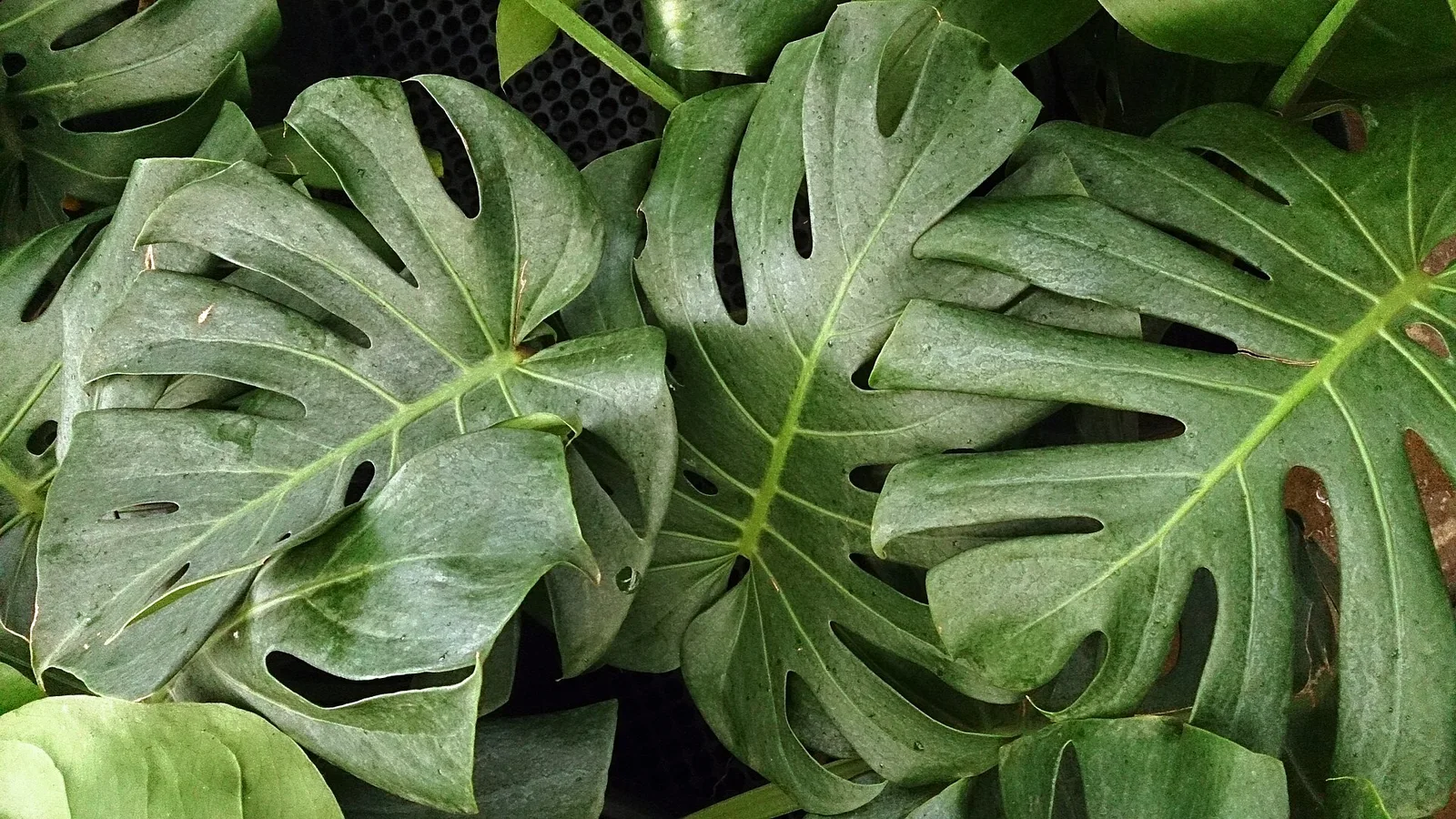
Monstera deliciosa and Fiddle Leaf Fig (Ficus lyrata) are the two most sought-after statement houseplants. Both dominate interior design magazines and social media feeds. But behind the aesthetics, these plants have very different personalities. One is laid-back and forgiving. The other is a beautiful diva. Understanding the difference before you buy saves you money, frustration, and potentially a dead plant.
Quick Comparison Table
| Feature | Monstera Deliciosa | Fiddle Leaf Fig |
|---|---|---|
| Difficulty | Easy | Moderate to difficult |
| Light needs | Medium to bright indirect | Bright indirect (very specific) |
| Watering tolerance | Forgiving | Fussy — wants consistency |
| Growth speed | Moderate to fast | Slow to moderate |
| Mature size indoors | 6-10 feet tall | 6-10 feet tall |
| Drama level | Low — very adaptable | High — drops leaves when unhappy |
| Leaf appearance | Split, fenestrated, tropical | Large, violin-shaped, bold veining |
| Style vibe | Tropical, bohemian, eclectic | Modern, architectural, minimalist |
| Propagation | Easy (stem cuttings in water) | Difficult (air layering preferred) |
| Pet safety | Toxic | Toxic |
The Aesthetic: Two Very Different Vibes
Both plants are statement-makers, but they read completely differently in a room.
Monstera deliciosa has a tropical, jungle-like energy. Its large, split leaves evoke a wild, organic feeling — think bohemian living rooms, eclectic spaces, and anywhere that embraces a lush, slightly untamed aesthetic. The fenestrations (holes and splits) give each leaf unique character. No two leaves look exactly the same, which adds visual interest.
Fiddle Leaf Fig is more structured and architectural. Its large, violin-shaped leaves with prominent veining create a bold, sculptural silhouette. A tall fiddle leaf fig in a clean pot looks like it belongs in an interior design magazine. The vibe is modern, polished, and intentional. It is the plant equivalent of a designer piece of furniture.
Difficulty: The Real Difference
This is where the comparison stops being close.
Monstera is easy. It tolerates a range of light conditions, bounces back from missed waterings, handles average humidity, and does not care if you move it around the room. It is a beginner-friendly plant that rewards basic care with fast, healthy growth. Most of the people who grow monstera successfully do so without thinking about it much.
Fiddle Leaf Fig is demanding. It wants bright, consistent light — ideally near a south or east-facing window. It does not like being moved. It drops leaves in response to drafts, temperature changes, inconsistent watering, low humidity, repotting, or seemingly no reason at all. It is a beautiful plant that lets you know when it is unhappy, and it is unhappy more often than most plants.
This is not to say fiddle leaf figs are impossible — many people grow them successfully. But they require more attention, a better spot in your home, and more consistent care habits than monstera.
Light Requirements
Monstera is flexible. It thrives in bright indirect light but tolerates medium light well. It can even manage in lower light conditions, though growth slows and fenestrations become less pronounced. It does not care which direction your window faces as long as it gets some natural light.
Fiddle Leaf Fig is specific. It needs bright indirect light — and plenty of it. A spot within a few feet of a south or east-facing window is ideal. Too little light causes leggy growth, small leaves, and leaf drop. Direct harsh sunlight burns the leaves. The acceptable light range is narrower than monstera's, which means your home needs the right window placement.
Watering
Monstera follows the standard easy-care formula: water when the top 2 inches of soil are dry. It forgives missed waterings and bounces back from slight underwatering with minimal drama. Overwatering is the main risk, but the symptoms (yellow leaves) are easy to identify and correct.
Fiddle Leaf Fig wants consistent moisture but not soggy soil. The challenge is that it dislikes both overwatering (root rot, brown spots at the base of leaves) and underwatering (brown, crispy edges, leaf drop). Many fiddle leaf fig owners end up on a strict watering schedule — same day each week, same amount of water — because inconsistency causes problems. Using a moisture meter is genuinely helpful with this plant.
Growth and Size
Both can reach impressive sizes indoors — 6-10 feet tall in good conditions. But they grow differently.
Monstera grows wide and bushy. It sends out large leaves in multiple directions and can become quite sprawling. A moss pole helps direct growth upward. It grows at a moderate to fast pace — expect several new leaves per growing season in good light.
Fiddle Leaf Fig grows as a column or tree shape. It tends to grow upward on a central trunk, adding leaves at the top. Some owners prune the top to encourage branching, which creates a fuller, tree-like shape. Growth is slower than monstera — 1-2 new leaves per month in ideal conditions.
Common Problems
Monstera Problems (Usually Minor)
- Yellow leaves — overwatering, easy to fix
- No fenestrations — needs more light
- Leggy growth — needs more light
- Brown tips — underwatering or low humidity
Fiddle Leaf Fig Problems (More Frequent)
- Brown spots on leaves — overwatering, root rot, or bacterial infection
- Leaf drop — drafts, temperature changes, moving the plant, watering inconsistency
- Red spots on new leaves — edema from inconsistent watering (usually cosmetic)
- Leaning toward light — rotate quarterly, needs brighter spot
- No new growth — insufficient light, rootbound, or needs fertilizer
Which Should You Choose?
Choose Monstera if:
- You are a beginner or intermediate plant owner
- You want a low-drama plant that grows reliably
- Your lighting conditions are average to good (not exceptional)
- You travel or have an inconsistent schedule
- You prefer a tropical, lush, wild aesthetic
- You want a plant you can propagate easily and share with friends
Choose Fiddle Leaf Fig if:
- You have a bright room with good natural light
- You enjoy caring for plants attentively (it is your hobby, not just decoration)
- You can commit to a consistent watering schedule
- You prefer a sleek, modern, tree-like aesthetic
- You want a plant that looks like a statement piece of furniture
- You have successfully kept other moderate-difficulty plants alive
Honest Take
If you are deciding between these two and have not owned either, start with Monstera. Build your confidence and plant care habits, then add a fiddle leaf fig when you have a great bright spot and a watering routine. Many fiddle leaf fig failures come from people who underestimate how specific its needs are.
Frequently Asked Questions
Can I keep both in the same room?
Absolutely, as long as the room has enough bright light for the fiddle leaf fig. The monstera can go a bit further from the window. They look great together — the monstera's wild, split-leaf energy complements the fiddle leaf fig's structured, sculptural form.
Which is more Instagram-worthy?
Both are social media superstars, but they attract slightly different audiences. Monstera has a more universally recognized leaf shape (the split leaf is practically a design icon). Fiddle leaf fig photographs well as a full tree, especially in styled room shots. In terms of raw social media presence, monstera generates more hashtags, but fiddle leaf fig remains the go-to plant for interior design photography.
I killed my fiddle leaf fig. Should I try again?
Before trying again, diagnose what went wrong. If the problem was insufficient light, only try again if you have a brighter spot. If you overwatered, get a moisture meter and establish a routine. If the plant came from a big-box store and never thrived, try buying from a local nursery where the plant has been properly acclimated. Many fiddle leaf fig failures are environmental — the plant was never in a suitable spot to begin with.