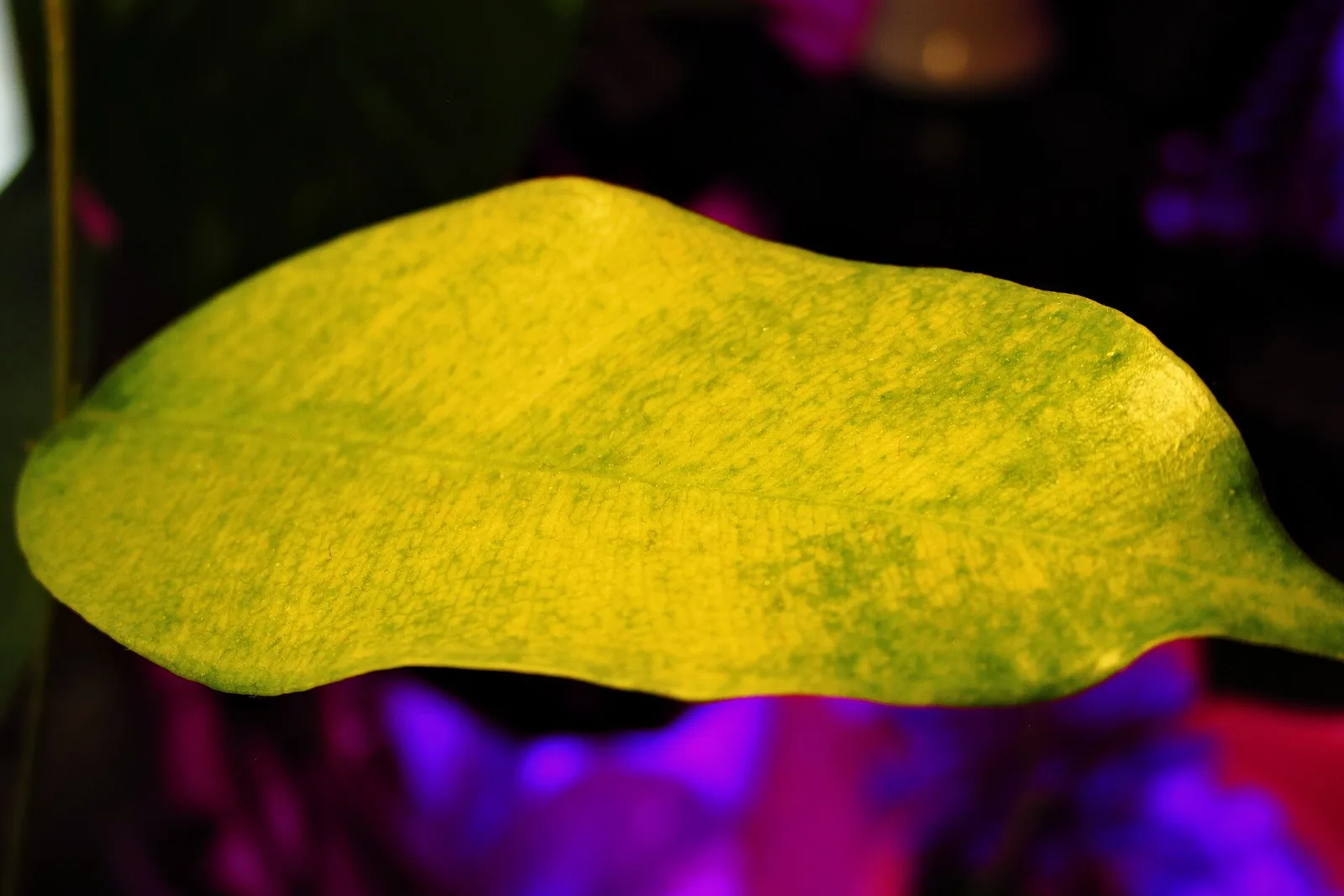
Yellow leaves are one of the most common houseplant complaints, and the frustrating part is that multiple problems share this same symptom. The key is reading the other clues your plant gives you. Here are the 8 most common reasons your plant leaves are turning yellow and exactly how to fix each one.
1. Overwatering (A Very Common Cause)
Overwatering is one of the most common reasons for yellow leaves, and a common way houseplants die. When roots sit in soggy soil, they cannot absorb oxygen and begin to rot.
Signs:
- Multiple leaves yellowing at once, starting from the bottom
- Soil feels wet or has been wet for days
- Mushy stems near the soil line
- A musty or rotting smell from the soil
Fix: Let the soil dry out before watering again. If roots are rotting (brown and mushy), remove the plant from its pot, trim dead roots, and repot in fresh, dry soil. Going forward, always check soil moisture before watering.
2. Underwatering
Yes, too little water can also cause yellowing, though it looks different from overwatering.
Signs:
- Leaves turn yellow and feel dry and crispy (not mushy)
- Soil is bone dry and pulling away from the pot edges
- The pot feels very lightweight
Fix: Give the plant a thorough soak. If the soil has become hydrophobic (water runs off without absorbing), try bottom watering for 20-30 minutes.
3. Too Much Direct Sunlight
Leaves that get sunburned turn yellow or white in the areas exposed to direct sun.
Signs:
- Yellowing or bleaching on the side facing the window
- Brown, crispy patches on leaf surfaces
- Only the most exposed leaves are affected
Fix: Move the plant back from the window or filter the light with a sheer curtain. Damaged leaves will not recover, but new growth will be healthy.
4. Not Enough Light
Plants in too-dark locations cannot photosynthesize enough to maintain all their foliage.
Signs:
- Lower or inner leaves yellowing and dropping
- Leggy, stretched-out growth reaching toward light
- Slow growth overall
Fix: Move the plant to a brighter location. If that is not possible, consider adding a grow light.
5. Nutrient Deficiency
Plants that have not been fertilized or repotted in a long time can develop nutrient deficiencies.
Signs:
- Older (lower) leaves yellow first while new growth stays green
- Yellowing between leaf veins while veins stay green (interveinal chlorosis)
- Overall pale, washed-out color
Fix: Feed with a balanced liquid fertilizer at half strength. If the plant has not been repotted in over two years, fresh soil will also help.
6. Temperature Stress
Cold drafts, hot radiators, and sudden temperature changes can cause yellowing.
Signs:
- Sudden yellowing after a temperature event (open window in winter, etc.)
- Leaves closest to the heat/cold source affected most
Fix: Move the plant away from drafts, vents, and radiators. Most houseplants prefer consistent temperatures between 60-75°F.
7. Natural Aging
Sometimes yellow leaves are perfectly normal. As plants grow, they shed their oldest leaves to redirect energy to new growth.
Signs:
- Only 1-2 lower leaves yellow at a time
- The rest of the plant looks healthy
- New growth is strong
Fix: Nothing needed. Gently remove the yellow leaf and carry on.
8. Pests
Sap-sucking pests like spider mites, mealybugs, and scale weaken leaves and cause yellowing.
Signs:
- Yellow stippling or spots on leaves
- Sticky residue on leaves or nearby surfaces
- Visible insects, webbing, or white cottony masses
Fix: Isolate the plant. Treat with neem oil, insecticidal soap, or rubbing alcohol depending on the pest. Check neighboring plants as well.
Pro Tip
A moisture meter (we recommend the XLUX Moisture Meter) can help with the overwatering vs. underwatering diagnosis — use it alongside the finger test.
Quick Diagnosis Guide
| Symptom | Likely Cause |
|---|---|
| Yellow + mushy | Overwatering |
| Yellow + crispy | Underwatering or sunburn |
| Yellow bottom leaves only | Natural aging or nutrient deficiency |
| Yellow between veins | Nutrient deficiency (iron or magnesium) |
| Yellow + sticky residue | Pest infestation |
| Yellow after moving plant | Adjustment stress (will resolve) |
Frequently Asked Questions
How can I tell if yellow leaves mean overwatering or underwatering?
Feel the leaves and the soil. Overwatered leaves are usually soft or mushy, the soil stays wet for days, and there may be a musty smell. Underwatered leaves feel dry and crispy, the soil is bone dry and pulling away from the pot, and the pot feels light.
Is it normal for a plant to lose a yellow leaf now and then?
Often, yes. Plants shed their oldest leaves to put energy into new growth. If only one or two lower leaves yellow at a time and the rest of the plant, including new growth, looks healthy, you can simply remove the yellow leaf and carry on.
Why are my leaves turning yellow between the veins while the veins stay green?
That pattern, called interveinal chlorosis, usually points to a nutrient deficiency such as iron or magnesium. Feed with a balanced liquid fertilizer at half strength, and if the plant has not been repotted in over two years, fresh soil can also help.
Sources and further reading
- What causes leaves on my houseplant to turn yellow or brown and drop off? — Iowa State University Extension and Outreach
- Yellowing Leaves on Indoor Plants — University of Maryland Extension
- Leaf damage on houseplants — Royal Horticultural Society