Monstera deliciosa and Monstera adansonii are both beloved for their dramatic, hole-punched leaves — a trait called fenestration. They share a genus and an Instagram aesthetic, but in person, these two plants look, grow, and behave quite differently. Choosing between them depends largely on how much space you have and what kind of look you are going for.
Quick Comparison Table
| Feature | Monstera Deliciosa | Monstera Adansonii |
|---|---|---|
| Common names | Swiss cheese plant, split-leaf philodendron | Swiss cheese vine, monkey mask |
| Mature leaf size | 1-3 feet wide | 4-8 inches wide |
| Hole pattern | Splits from edge + interior holes | Interior holes only (no edge splits) |
| Growth habit | Large, upright climbing | Trailing or climbing vine |
| Mature size indoors | 6-10 feet tall, 4-6 feet wide | 3-5 feet long (vining) |
| Space needed | Significant — a statement piece | Moderate — works on shelves, hanging baskets |
| Growth speed | Moderate to fast | Fast |
| Light needs | Bright indirect | Medium to bright indirect |
| Difficulty | Easy | Easy to moderate |
| Pet safety | Toxic | Toxic |
The Leaves: Size and Fenestration
The most obvious difference is leaf size. Monstera deliciosa produces enormous leaves — mature specimens can have leaves over two feet across. The leaves start out small and heart-shaped (without holes) and develop fenestrations as they mature. On a fully grown plant, the leaves display both interior holes and deep splits that extend to the leaf edge, creating that dramatic, segmented look.
Monstera adansonii has much smaller leaves, typically 4-8 inches wide. The leaves are thinner and more delicate than deliciosa. The fenestrations appear as oval or round interior holes only — the holes never extend to the leaf's edge. This gives adansonii a lacy, window-like appearance rather than the bold, split look of deliciosa.
A common point of confusion: young Monstera deliciosa plants (with small, unperforated leaves) can look similar to adansonii. But even at a small size, deliciosa leaves are thicker, sturdier, and have a more leathery texture. Adansonii leaves are noticeably thinner and more papery.
Growth Habit and Space
This is where the practical difference really matters for your home.
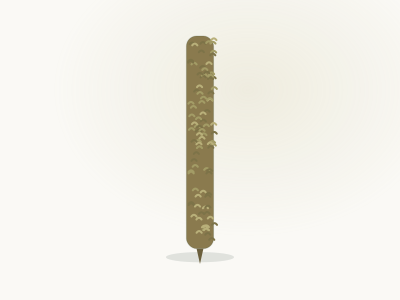
Monstera deliciosa is a big plant that gets bigger. Indoors, it typically reaches 6-10 feet tall and spreads 4-6 feet wide within a few years. It grows as an upright climber, producing thick stems and large aerial roots that grip onto supports. This plant needs a dedicated floor space — it will become a room's focal point whether you planned for that or not. A moss pole or sturdy trellis helps it grow upward rather than sprawling outward.
Monstera adansonii is a vine. It produces long, flexible stems that trail gracefully from a hanging basket or climb a support. It takes up far less space than deliciosa and works well on shelves, in macrame hangers, or trained up a small trellis. A mature adansonii might have vines 3-5 feet long, but it stays relatively compact in terms of floor space.
Space verdict: If you live in a studio or small apartment, adansonii is the practical choice. If you have a living room with room for a large statement plant, deliciosa delivers more visual impact per plant.
Care Requirements
Light
Both plants want bright indirect light for best growth, but they have slightly different tolerances. Deliciosa handles medium light reasonably well — growth slows but the plant stays healthy. Adansonii is a bit more light-hungry and tends to get leggy faster in lower light conditions. Neither tolerates direct sunlight well; both will develop brown, scorched patches.
Watering
Deliciosa is more forgiving. Its thick stems and large leaves store more moisture, giving it a bigger buffer. Water when the top 2 inches of soil are dry. Adansonii dries out faster due to its thinner leaves and prefers slightly more consistent moisture — water when the top inch is dry. Adansonii shows stress (yellowing, crispy edges) faster than deliciosa when watering is inconsistent.
Humidity
Both are tropical plants that appreciate humidity, but adansonii is more vocal about it. In dry conditions (below 40% humidity), adansonii develops brown, crispy leaf edges more readily than deliciosa. If your home runs dry, especially in winter, adansonii benefits more from a humidifier. Deliciosa tolerates average humidity with fewer complaints.
Fertilizing
Both benefit from monthly feeding during the growing season (spring through fall) with a balanced liquid fertilizer diluted to half strength. Deliciosa is a heavier feeder because it produces larger leaves and grows more biomass. Adansonii needs less fertilizer overall.
Support Structures
Both climb in nature, and both benefit from something to climb indoors. Deliciosa almost requires a moss pole or stake once it reaches a few feet tall — without support, it flops sideways under the weight of its large leaves. Adansonii is light enough to trail without support but develops larger leaves and grows more vigorously when given something to climb.
Propagation
Both propagate easily from stem cuttings. Cut below a node (the bump where an aerial root or leaf emerges), place in water, and roots develop in 2-4 weeks. Both root quickly and reliably.
Adansonii is slightly easier to propagate in quantity because it produces longer vines with more nodes. You can get several cuttings from a single vine. Deliciosa cuttings are bulkier and take up more space during the rooting process, but they root just as reliably.
Cost and Availability
Standard green forms of both plants are affordable and widely available, and adansonii is often the cheaper of the two.
The price difference becomes dramatic with variegated varieties. Variegated Monstera deliciosa (Albo, Thai Constellation, Aurea) costs many times more than the green form, depending on size and variegation quality. Variegated adansonii is rarer and can be even more expensive — though this is collector territory, not typical houseplant shopping.
Which Should You Choose?
Choose Monstera deliciosa if:
- You have space for a large statement plant
- You want dramatic, oversized leaves with bold splits
- You prefer a more forgiving plant that tolerates inconsistent care
- You are looking for a floor plant that becomes a room's centerpiece
- You enjoy the idea of watching a plant grow truly massive over the years
Choose Monstera adansonii if:
- You have limited space or want a shelf or hanging plant
- You prefer a delicate, lacy look over bold splits
- You want a faster-growing vine that fills out quickly
- You like trailing plants or want to train a plant up a small trellis
- You want an affordable plant that is easy to propagate and share
Pro Tip
If your Monstera deliciosa is not developing holes (fenestrations), it is not getting enough light. Young leaves come out solid and develop more fenestrations as the plant matures — but only if the light is adequate. Move it closer to a bright window and be patient. It can take 2-3 years for a young deliciosa to start producing its signature split leaves.
Frequently Asked Questions
Is Monstera adansonii the same as Monstera obliqua?
No, and this is one of the most common misidentifications in the plant world. Monstera obliqua is an extremely rare species with leaves that are more hole than leaf — paper-thin tissue with enormous fenestrations. What is sold as "obliqua" online is almost always adansonii. True obliqua is an expensive collector's plant that is rarely available.
Can I keep Monstera deliciosa small?
You can slow it down with lower light and less fertilizer, and you can prune it to maintain a manageable size. But its natural inclination is to grow large. If you want a permanently small Monstera, adansonii is the better choice.
Why are my adansonii leaves turning yellow?
A very common cause is overwatering. Adansonii prefers lightly moist soil, not soggy. Check that your pot has drainage, your soil is well-draining (add perlite if needed), and you are letting the top inch dry between waterings. Yellow leaves can also indicate too little light or a nutrient deficiency if the plant has not been fertilized in months.
Do both plants produce fruit?
Monstera deliciosa can produce edible fruit in the right conditions — that is where the "deliciosa" in its name comes from. The fruit tastes like a combination of pineapple and banana. However, it almost never fruits indoors. Adansonii technically produces fruit too, but it is even less likely to happen in a home setting. Neither plant is realistically grown indoors for fruit.