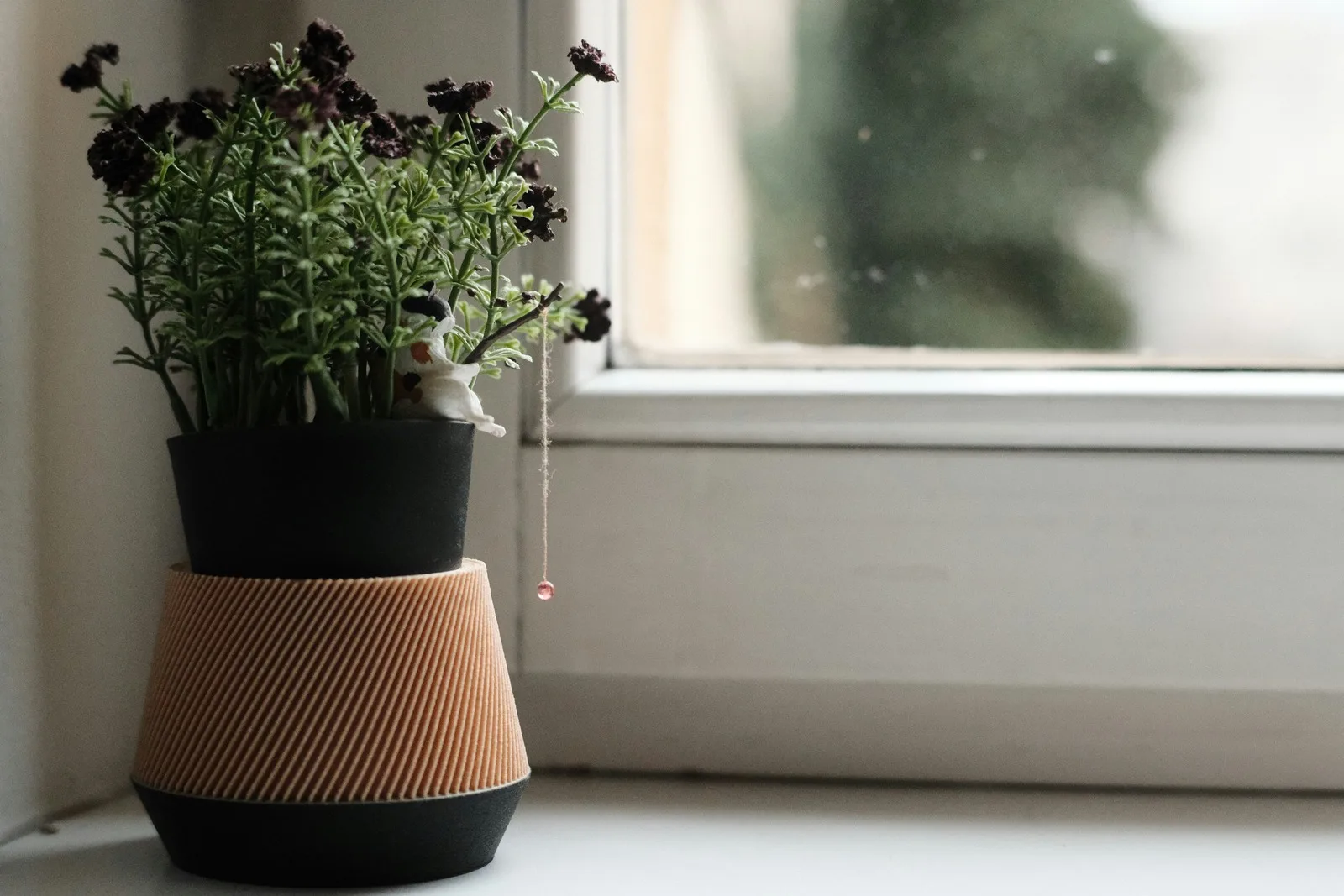
Self-watering pots have a water reservoir at the bottom that lets plants drink at their own pace through capillary action. They are not magic, and they are not for every plant, but for the right situations they can be a genuine game-changer — especially if you travel often, tend to forget watering, or grow plants that demand consistently moist soil. Here is a complete guide to how they work, which ones to buy, and how to use them properly.
How Self-Watering Pots Work
Most self-watering pots have two parts: an inner pot that holds the soil and plant, and an outer pot or base that holds a water reservoir. A wick, porous barrier, or capillary mat connects the two, drawing water up into the soil as the plant needs it through a process called capillary action — the same physics that makes a paper towel absorb water when you dip the corner.
This creates consistent, even moisture — the plant takes what it needs, and you just refill the reservoir every 1-3 weeks depending on the plant, pot size, and season.
Wicking System vs Reservoir System
There are two main designs, and understanding the difference helps you choose the right one:
| Feature | Wicking System | Direct Reservoir System |
|---|---|---|
| How it works | A cotton or nylon wick runs from the reservoir up into the soil, pulling water via capillary action | The inner pot sits partially in water; soil absorbs moisture directly from the reservoir surface |
| Moisture level | Moderate — wick delivers water gradually | Higher — more direct contact with water |
| Best for | Plants that like even moisture (Pothos, herbs) | Plants that love constant moisture (ferns, Peace Lilies) |
| Risk | Lower — wick regulates flow | Slightly higher — easier to oversaturate heavy soils |
| Maintenance | Wick may need replacing yearly | Simpler mechanism, less to maintain |
Pros and Cons of Self-Watering Pots
Pros
- Consistent moisture: No more feast-and-famine watering cycles. Plants that dislike drying out (Calatheas, ferns) thrive with the steady supply.
- Travel-friendly: Fill the reservoir before a 2-3 week trip and your plants will be fine when you return.
- Reduced overwatering risk: The plant takes only what it needs, reducing the chance of waterlogging (when used correctly).
- Less frequent attention: Refill the reservoir every 1-3 weeks instead of watering every few days.
- Better root development: Roots grow downward toward the water source, creating a stronger, deeper root system.
Cons
- Not for drought-loving plants: Succulents, cacti, and Snake Plants will rot in the constant moisture.
- Salt buildup: Minerals from water and fertilizer accumulate in the soil over time since water moves upward instead of flushing downward. Monthly top-watering flushes are essential.
- Initial cost: Quality self-watering pots cost more than basic pots. However, the investment pays off in plant health and convenience.
- Soil requirements: Standard heavy potting mixes do not wick well. You need a lighter, airy mix with perlite.
- Can mask problems: Because you interact with the plant less often, you may miss early signs of pests or disease.
Plants That LOVE Self-Watering Pots
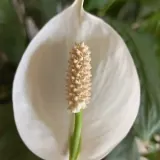
- Peace Lily (Spathiphyllum) — loves consistently moist soil and wilts dramatically without it. A self-watering pot is the Peace Lily's best friend.
- Boston Fern — struggles with the wet-dry cycle of normal watering; constant moisture keeps fronds lush and prevents browning.
- African Violets — prefer bottom watering anyway (water on leaves causes spots). Self-watering pots are a natural fit.
- Calathea — extremely sensitive to drying out. Even one day of dry soil causes crispy leaf edges. Consistent moisture prevents this.
- Pothos and Philodendrons — adaptable plants that do well with consistent moisture, though they also tolerate some drying.
- Herbs (basil, mint, parsley, cilantro) — thirsty plants that bolt or wilt quickly when dry. Self-watering keeps them productive longer.
- Prayer Plant (Maranta) — like Calathea, sensitive to drying. Consistent moisture keeps the beautiful foliage healthy.
- Nerve Plant (Fittonia) — faints dramatically at the slightest dryness. Self-watering pots eliminate the drama.
Plants That Should NOT Go in Self-Watering Pots
- Succulents and cacti — need soil to dry out completely between waterings. Constant moisture causes root rot within weeks.
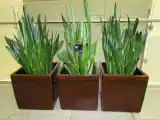
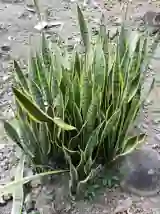
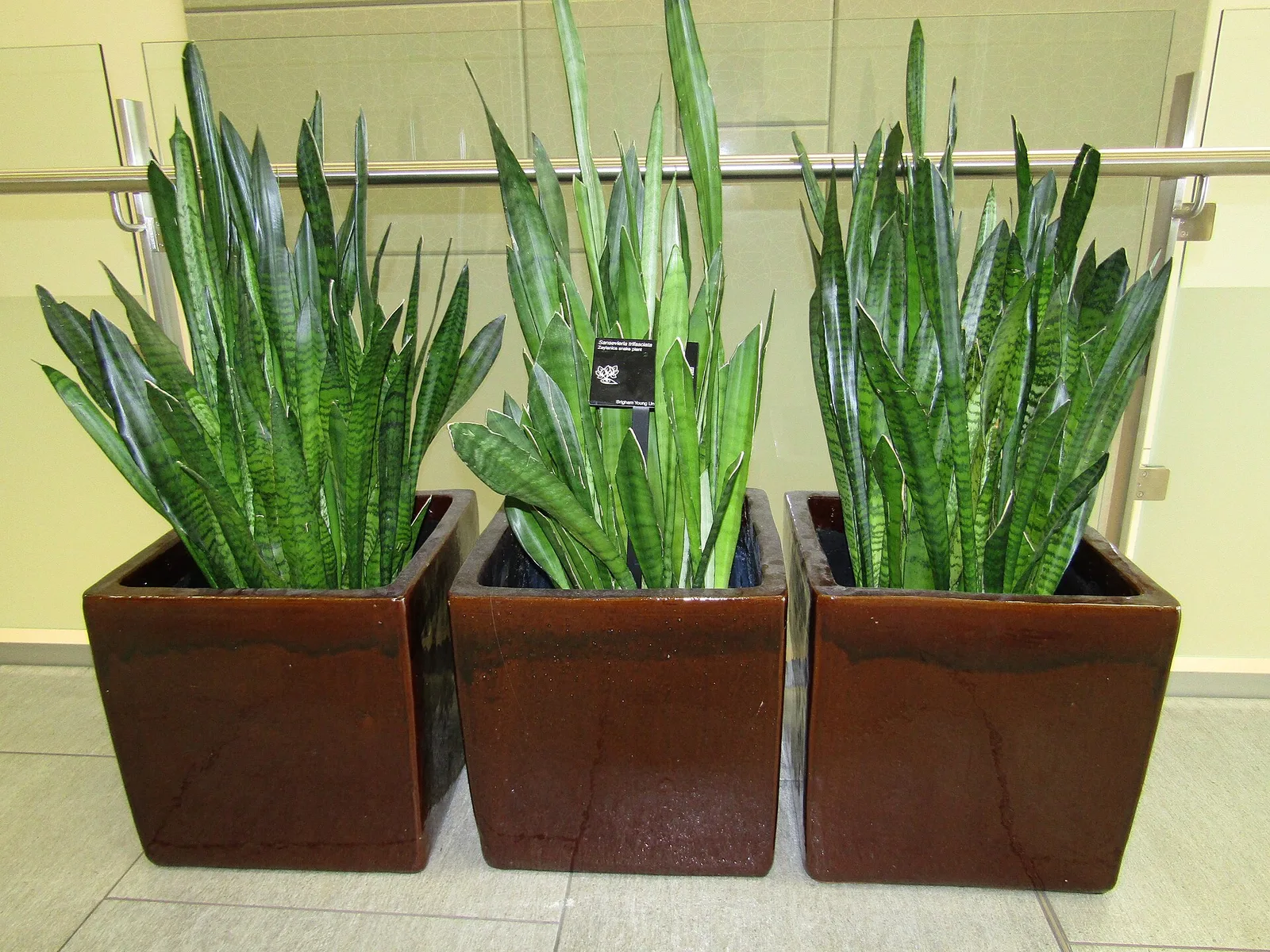
- Snake Plants (Dracaena trifasciata) — extremely rot-prone with constant moisture. These thrive on neglect.
- ZZ Plants — store water in underground rhizomes. They do not need a reservoir and will rot in constant wet soil.
- Aloe Vera — desert plant that prefers drought between waterings. Constant moisture leads to mushy, translucent leaves.
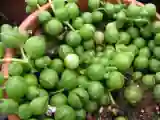
- String of Pearls / String of Hearts — succulent-like plants that need excellent drainage and dry periods.
- Hoyas — epiphytic plants that like to dry between waterings. Root rot is a common killer in overly moist conditions.
Pro Tip
If you travel frequently, self-watering pots can keep your moisture-loving plants alive for 2-3 weeks without attention. Fill the reservoir before you leave and your plants will be fine when you return. For even longer trips, place self-watering pots in a spot with consistent, indirect light — not direct sun, which increases water consumption.
What to Look for When Buying
- Reservoir size: Bigger is better if you want less-frequent refills. A good reservoir holds at least a week of water for a medium-sized plant. For larger floor plants, look for reservoirs that hold 2+ weeks.
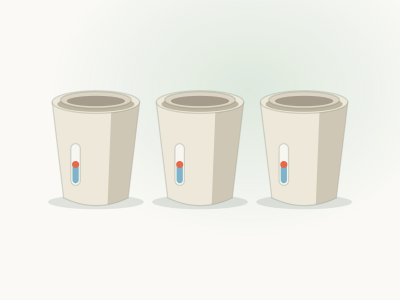
- Water level indicator: A float, window, or gauge showing the reservoir level is extremely helpful. Without one, you are guessing when to refill.
- Drainage option: The best self-watering pots also have a drain plug so you can flush the soil periodically to prevent salt buildup. This feature is worth paying extra for.
- Inner pot material: Porous inner pots (like unglazed ceramic) wick water more evenly than smooth plastic. However, plastic inner pots are lighter and work fine with a proper wick.
- Aesthetics: Since self-watering pots are visible in your home, choose ones that match your style. Many modern options look identical to regular decorative pots.
- Size range: Make sure the brand offers the size you need. Some brands specialize in small desktop pots; others offer large floor planters.
Top 6 Self-Watering Pots for 2026
1. Best Overall: Lechuza Classico
A premium self-watering system from a German brand, with a large reservoir, water level indicator, and sub-irrigation design. It is sold with Lechuza Pon substrate, designed for wicking and aeration.
- Pros: Premium build quality, huge reservoir (2-3 weeks), excellent wicking, beautiful finishes, many sizes (6" to 20")
- Cons: Expensive, proprietary substrate recommended
- Best for: Plant parents who want a premium system
2. Best Budget: Gardenix Decor Self-Watering Planter
Affordable, functional, and available in neutral colors (white, gray, terracotta). The reservoir holds about a week of water for medium plants. Clean, modern design that does not scream "self-watering."
- Pros: Affordable, clean look, decent reservoir, available in multipacks
- Cons: No water level indicator, plastic construction
- Best for: First-time self-watering users, multipacks for herb gardens
3. Best for Small Plants: T4U Self-Watering Planter
Perfect for herbs, African Violets, and small tropicals. The clear outer pot doubles as a water level indicator — you can see exactly how much water remains.
- Pros: Visible water level, compact size, very affordable, comes in sets
- Cons: Only available in small sizes, clear pot may develop algae in bright light
- Best for: Desktop plants, windowsill herbs, African Violets
4. Best for Large Plants: Santino Asti Self-Watering Planter
Available in large sizes (10-14 inches) suitable for floor plants like Peace Lilies, ferns, and Calatheas. Comes with a water level indicator and built-in drainage.
- Pros: Large sizes available, water level indicator, drain plug, affordable for its size
- Cons: Plastic only, limited color options
- Best for: Large floor plants, people who travel
5. Best Looking: Mkono Ceramic Self-Watering Planter
A genuine ceramic outer pot with an integrated reservoir system. Looks like a regular decorative pot but functions as self-watering. Available in minimalist white and pastel colors.
- Pros: Beautiful ceramic design, does not look like a self-watering pot, compact footprint
- Cons: Smaller reservoir (refill weekly), heavier than plastic options, limited sizes
- Best for: Design-conscious plant parents who want form and function
6. Best Modular: IKEA BITTERGURKA
IKEA's self-watering pot is simple, affordable, and functional. The inner pot has drainage holes and sits above a reservoir in the outer pot. Available in white only but pairs well with any decor.
- Pros: Very affordable, simple design, widely available, easy to clean
- Cons: No water level indicator, white only, limited sizes
- Best for: Budget-friendly option, minimalist interiors
DIY Self-Watering Pot Hack
You can convert any pot into a self-watering system with a few supplies:
- Take a regular pot with drainage holes and a slightly larger decorative pot (no holes).
- Cut a cotton rope or cotton shoelace about 12 inches long. This is your wick.
- Thread the wick through a drainage hole from inside the pot. Leave about 4-5 inches hanging below and fan out the top portion inside the pot against the bottom.
- Add your soil and plant as normal. The wick should be nestled against the soil at the bottom of the inner pot.
- Place the inner pot inside the outer pot with the wick hanging down into the space between. You can use small stones or an inverted saucer to elevate the inner pot so it does not sit in the water directly.
- Fill the outer pot with water so the wick tip is submerged. The wick will draw water up into the soil as the plant needs it.
This DIY method costs essentially nothing and can work well. It is a great way to test the concept before investing in dedicated self-watering pots.
Maintenance and Cleaning
Self-watering pots need occasional maintenance to work their best:
- Monthly flush: Water from the top until it drains through, flushing mineral and salt buildup from the soil. This is the most important maintenance step.
- Quarterly cleaning: Every 3 months, remove the inner pot and clean the reservoir with a mild vinegar solution (1:10 ratio). This prevents algae and mineral deposits from clogging the wicking system.
- Check the wick annually: If your pot uses a fabric wick, check it once a year. If it looks crusty with mineral deposits or is disintegrating, replace it. Cotton wicks last about 1-2 years.
- Winter adjustment: If your plant goes dormant, empty the reservoir and switch to regular top watering at reduced frequency. Constant moisture during dormancy causes root rot even in moisture-loving plants.
- Algae prevention: If using a clear or translucent pot, algae may grow in the reservoir when exposed to light. Use an opaque outer pot or wrap the clear portion in tape/fabric to block light.
Pro Tip
Use a well-draining soil mix in self-watering pots — standard heavy potting soil does not wick well and can become waterlogged. Mix in extra perlite (about 30-40% by volume) to improve capillary action and aeration. A good recipe: 60% potting mix + 40% perlite.
Frequently Asked Questions
How long does the reservoir last?
It depends on the pot size, plant size, season, and light conditions. A medium pot with a Peace Lily typically needs refilling every 7-10 days in summer and every 14-21 days in winter. Large Lechuza pots can last 2-3 weeks between refills.
Can I use fertilizer in the reservoir?
Some brands recommend it. If you do, use liquid fertilizer at quarter strength to avoid salt buildup. Otherwise, fertilize via regular top watering during your monthly flush.
Will roots grow into the reservoir?
Some roots may grow through drainage holes into the reservoir. This is normal and actually beneficial — they create a direct water connection. Just be gentle when removing the inner pot for cleaning.
Can I convert my existing pots to self-watering?
Yes — see the DIY hack above. You can also buy self-watering inserts and wicking kits that fit inside standard pots. These work with most pot sizes.