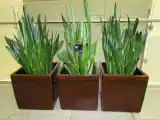
The best pot for your indoor plant is not just about looks — it directly affects watering frequency, root health, and whether your plant thrives. A gorgeous glazed ceramic pot without drainage can slowly kill a plant through root rot, while an ugly plastic nursery pot keeps roots perfectly happy.
Below are eight popular options across a range of budgets, from IKEA budget finds to designer mid-century pieces, to help you find the right balance of form and function.
Terracotta vs Ceramic vs Plastic
| Material | Breathability | Weight | Moisture | Relative Cost | Best For |
|---|---|---|---|---|---|
| Terracotta | Excellent — porous clay wicks moisture | Heavy | Dries fast | Low | Succulents, overwaterers, arid plants |
| Glazed Ceramic | Low — glaze seals the clay | Heavy | Retains well | Medium to high | Tropicals, decorative displays |
| Plastic/Nursery | None | Very light | Retains well | Low | Inside cache pots, growing collections cheap |
| Concrete/Stone | Moderate | Very heavy | Variable | Medium to high | Statement pieces, large plants |
| Self-Watering | None | Medium | Consistent | Medium to very high | Forgetful waterers, tropical plants |
The Drainage Hole Debate
The standard advice is simple: drainage holes are not optional, they are essential. Without them, excess water sits at the bottom of the pot, suffocating roots and creating a breeding ground for bacteria and rot. Yes, you can grow plants in pots without drainage if you are extremely careful with watering — but why make it harder than it needs to be?
The best approach: keep your plant in a nursery pot with drainage, then place that inside a decorative pot (cache pot) without drainage. Best of both worlds.
1. D'vine Dev Terracotta Pot Set — Best Budget
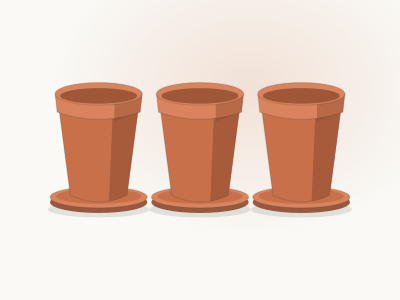
Classic terracotta pots with saucers. Porous clay that breathes, drainage holes included, and a natural warm tone that complements any plant. Terracotta has been a standard pot material for generations.
Why it is good: Terracotta is actively good for most plants. The porous clay wicks excess moisture away from roots, making overwatering harder. If you tend to water too often, terracotta is forgiving.
Pros:
- Porous clay helps guard against overwatering
- Drainage holes and saucers included
- Classic look that ages beautifully (mineral patina)
- Extremely affordable
Cons:
- Heavy — large sizes get cumbersome
- Dries out fast in dry climates (bad for ferns, calatheas)
- Can crack in freezing temperatures (outdoor use)
- White mineral deposits build up over time
2. La Jolie Muse Ceramic Planter — Best Overall
La Jolie Muse makes mid-range ceramic planters with clean lines, matte finishes in tasteful colors (white, sage green, terracotta, charcoal), and — crucially — a drainage hole with a rubber plug. The plug lets you use it with or without drainage.
Why it is good: The design is genuinely attractive without being ostentatious. The rubber plug system gives flexibility. The glazed interior retains moisture well for tropicals.
Pros:
- Attractive matte finishes in multiple colors
- Drainage hole with removable rubber plug
- Matching saucer included
- Mid-range option
Cons:
- Glazed interior means no breathability
- Limited to smaller sizes (up to about 8 inches)
- Some color variation between batches
3. Mkono Plastic Nursery Pots — Best for Plant Health
These are not pretty. They are thin black plastic pots with multiple drainage holes. They are the same kind of pot growers and nurseries use, because they do the job well. The idea: grow your plant in a nursery pot, then drop it inside any decorative cache pot you like. When you need to water, pull the nursery pot out, water in the sink, let it drain, put it back.
Why it is good: Multiple drainage holes (bottom and sides) provide exceptional drainage and aeration. The flexible plastic makes repotting easy — just squeeze the sides and the plant slides out. Because they are inexpensive, you can standardize your entire collection.
Pros:
- Excellent drainage from multiple holes
- Easy repotting — flexible sides
- Inexpensive
- Fits inside any decorative pot
Cons:
- Ugly — definitely need a cache pot
- Thin plastic degrades in UV light (indoor only)
- No moisture retention benefits
4. Fox & Fern Mid-Century Planter with Stand — Best Decorative
If you have seen those gorgeous mid-century modern planters on Instagram with wooden legs and a matte ceramic bowl, this is probably what you are looking at. Fox and Fern nails the aesthetic — clean lines, warm wood legs, and a pot that actually has a drainage hole (many decorative planters skip this).
Why it is good: The elevated design is not just aesthetic — raising the pot off the floor improves airflow around the bottom, reducing the risk of moisture damage to floors and giving roots slightly better air circulation. The drainage plug system works well.
Pros:
- Stunning mid-century modern design
- Drainage hole with plug included
- Elevated stand improves airflow
- Available in multiple sizes
Cons:
- Price premium for the design
- Wood legs can wobble on uneven surfaces
- Heavy when potted — hard to move large sizes
5. Lechuza Classico — Best Self-Watering
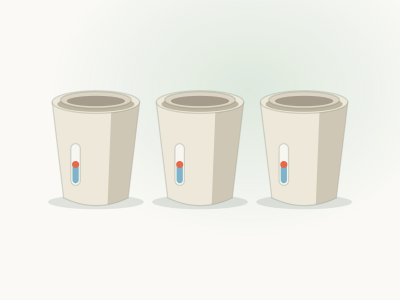
Lechuza is a German brand of self-watering planters with a sub-irrigation system that uses a wicking mechanism to draw water from a reservoir into the root zone. A water level indicator shows when to refill, which takes much of the guesswork out of watering.
Why it is good: The reservoir system is designed to keep soil moisture steady. The system works especially well for tropical plants that like steady moisture — Peace Lilies, ferns, Calatheas. Once set up, you just top off the reservoir every 1-2 weeks.
Pros:
- Precise sub-irrigation system
- Water level indicator — no guessing
- Suits consistent-moisture plants
- Sleek, modern design
Cons:
- Expensive
- Not suitable for drought-loving plants (succulents, cacti)
- Initial setup requires patience (roots need to reach the wick)
- Proprietary substrate recommended (adds cost)
6. Umbra Triflora Hanging Planter — Best Wall/Hanging
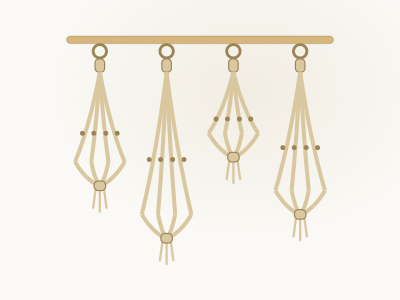
A clever multi-pot hanging system that mounts to a wall or window frame. Three small pots hang from a single brass-tone rod. Great for trailing plants like pothos, string of pearls, or small herbs. The design is minimal and modern.
Pros:
- Space-saving vertical display
- Attractive brass-tone hardware
- Holds three plants in one unit
- Easy to install
Cons:
- Small pots — limited to small plants
- No drainage — use nursery pots inside
- Wall mounting required
7. West Elm Turned Wood Planter — Best Splurge
If budget is not the primary concern, West Elm planters are genuinely beautiful. The turned wood collection has a warm, organic feel with hand-finished details. These are statement pieces that happen to hold plants.
Pros:
- Beautiful craftsmanship
- Unique hand-finished wood grain
- Statement piece that elevates a room
Cons:
- Expensive
- No drainage — must use nursery pot inside
- Wood can be damaged by water if not careful
- Heavy
8. IKEA Budget Picks (NYPON, PERSILLADE, CITRUSKRYDDA)
IKEA is a good source of affordable plant pots. The NYPON series (matte finish, several sizes) looks more upscale than its price suggests. PERSILLADE adds texture. CITRUSKRYDDA offers bamboo stands. None have drainage holes, but they work well as inexpensive cache pots over nursery pots.
Pros:
- Very affordable
- Surprisingly good design for the price
- Multiple styles and sizes
- Available at every IKEA and online
Cons:
- No drainage holes (use as cache pots)
- Limited color options per series
- Can chip if dropped
Size Guide: Matching Pots to Plants
| Pot Diameter | Best For | Examples |
|---|---|---|
| 4 inches | Small plants, cuttings, propagations | Small pothos, herbs, succulents |
| 6 inches | Medium plants | Most philodendrons, peace lily, spider plant |
| 8 inches | Established medium plants | Monstera, rubber plant, snake plant |
| 10-12 inches | Large plants | Fiddle leaf fig, large monstera, bird of paradise |
| 14+ inches | Floor statement plants | Mature fiddle leaf, large palm, large bird of paradise |
Pro Tip
When repotting, go up only 1-2 inches in diameter. A pot that is way too large holds excess moisture around roots that have not grown into it yet, which causes rot. Patience pays off.
Cache Pots Explained
A cache pot is simply a decorative outer pot that holds an inner nursery pot. This is the secret to having beautiful planters without sacrificing plant health. Keep your plant in a plastic nursery pot with drainage, set it inside any decorative pot you like. When watering, either water in place and empty the cache pot after 30 minutes, or pull the nursery pot out, water in the sink, let it drain, and return it.
Frequently Asked Questions
Can I drill drainage holes in ceramic pots?
Yes, with a diamond-tipped drill bit. Fill the pot with water to reduce heat, use low speed, gentle pressure. Takes 2-5 minutes per hole.
Does pot color affect plant health?
Dark pots absorb more heat in direct sunlight, which can cook roots in outdoor settings. Indoors, color is purely aesthetic — choose what you like.
How do I prevent water stains on furniture?
Use saucers under every pot, cork or felt pads under saucers, and waterproof mats under large floor plants. Empty saucers 30 minutes after watering.
Are expensive pots worth it?
For plant health, no — an inexpensive nursery pot grows plants just as well. You pay for aesthetics, material quality, and design. If a beautiful planter makes you enjoy your plants more, that has real value.