Kitchens are warm, often humid, and flooded with natural light — making them surprisingly ideal environments for many houseplants. But they also come with unique challenges: temperature spikes from cooking, grease in the air, and limited counter space. The best kitchen plants can handle all of that.
Here are 10 plants that thrive in kitchen conditions, from edible herbs you can snip into your cooking to tough tropicals that shrug off the heat.
Quick Summary
For cooking: Basil, Mint, Rosemary on a sunny windowsill. For easy care: Pothos, Spider Plant, Chinese Evergreen. For style: African Violet or Philodendron.
1. Basil (Ocimum basilicum)
Fresh basil within arm's reach while you cook is a game-changer. This culinary herb thrives in the warmth of a kitchen and actually grows better when you regularly harvest (pinch) its leaves — which you will be doing every time you make pasta, salads, or Thai food.
- Heat tolerance: Loves warmth; 70-80 degrees Fahrenheit is ideal
- Placement: Sunny windowsill with at least 6 hours of light
- Edible vs decorative: Edible — the whole point
- Care tip: Pinch off flower buds as they appear to keep leaves flavorful and prevent the plant from going bitter
2. Mint (Mentha)
Mint is almost aggressively easy to grow. In a garden, it takes over everything. In a pot on your kitchen counter, that vigor works in your favor — it grows fast, recovers quickly from harvesting, and fills the room with a fresh scent.
- Heat tolerance: Good; prefers 65-75 degrees but handles kitchen heat
- Placement: Bright spot; tolerates partial shade
- Edible vs decorative: Edible — great for teas, cocktails, salads, and sauces
- Care tip: Keep it in its own pot. Mint will outcompete other herbs if planted together
3. Rosemary (Salvia rosmarinus)
Rosemary is a Mediterranean herb that handles heat and dry air better than most kitchen plants. It is drought-tolerant, fragrant, and pairs beautifully with roasted meats, potatoes, and bread. A single plant lasts for years if given enough light.
- Heat tolerance: Excellent — thrives in warm, dry conditions
- Placement: Sunniest windowsill you have (south-facing ideal)
- Edible vs decorative: Edible and decorative — woody stems look great in a terracotta pot
- Care tip: Overwatering kills rosemary faster than anything. Let soil dry between waterings
Pro Tip
Rosemary, basil, and mint have completely different water needs. Grow them in separate pots, never together. Rosemary likes it dry; basil likes it moist; mint likes it wet.
4. Pothos (Epipremnum aureum)
Pothos thrives on top of kitchen cabinets where no one ever thinks to put a plant. The warmth rising from cooking and the ambient humidity create perfect growing conditions. Its trailing vines drape beautifully along the top of upper cabinets.
- Heat tolerance: Excellent — handles kitchen temperature fluctuations
- Placement: Top of cabinets, above the fridge, hanging planter near the window
- Edible vs decorative: Decorative only (toxic if ingested)
- Care tip: Wipe leaves monthly to prevent grease buildup from cooking
5. Spider Plant (Chlorophytum comosum)
Spider Plants are excellent kitchen companions because they tolerate fluctuating temperatures and humidity. They also produce offsets (babies) freely, so one plant eventually becomes a whole family of hanging planters.
- Heat tolerance: Good; tolerates typical kitchen warmth
- Placement: Hanging planter near a window or on top of the fridge
- Edible vs decorative: Decorative (listed as non-toxic to cats and dogs by the ASPCA)
- Care tip: If leaf tips brown, it is usually from chemicals in tap water. Use filtered water or let tap water sit overnight
6. Aloe Vera
Having Aloe Vera in the kitchen is practical and smart. Minor cooking burns happen, and snapping off an aloe leaf for instant cooling gel is faster than rummaging through the medicine cabinet. Beyond first aid, it is a striking succulent that thrives in the bright light most kitchens offer.
- Heat tolerance: Excellent — desert plant by nature
- Placement: Bright windowsill
- Edible vs decorative: Functional (burn remedy) and decorative
- Care tip: Use a terracotta pot for excellent drainage; water only when soil is completely dry
7. Air Plants (Tillandsia)
Air Plants need no soil and take up virtually zero counter space. Mount them on the wall, set them on a tiny shelf, or place them in a decorative bowl. Kitchen humidity from cooking and dishwashing provides much of the moisture they need.
- Heat tolerance: Good; avoid placing directly above the stove
- Placement: Open shelving, window ledge, mounted on wall
- Edible vs decorative: Decorative
- Care tip: Soak weekly for 20 minutes in a kitchen sink full of water, then shake dry
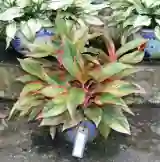
8. Chinese Evergreen (Aglaonema)
A reliable workhorse that handles the variable conditions of a kitchen without complaining. Chinese Evergreens tolerate low light, fluctuating humidity, and temperatures that would stress fussier plants. Choose a pink or red cultivar to add color.
- Heat tolerance: Good; handles warm kitchen air
- Placement: Counter corner, kitchen island, or breakfast nook
- Edible vs decorative: Decorative (toxic if ingested)
- Care tip: Wipe leaves regularly — kitchen grease can coat them and block light absorption
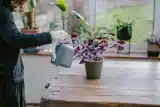
9. African Violet (Saintpaulia)
African Violets are one of the few flowering houseplants that bloom reliably indoors, and kitchen windowsills provide their ideal conditions: bright indirect light and warmth. They flower in purple, pink, white, and bi-colors, adding a pop of color to your kitchen year-round.
- Heat tolerance: Moderate — prefers 65-80 degrees, which is standard kitchen range
- Placement: East or north-facing windowsill (avoid harsh direct afternoon sun)
- Edible vs decorative: Decorative (non-toxic)
- Care tip: Water from the bottom to avoid getting water on the leaves, which causes spots
10. Philodendron (Philodendron hederaceum)
The Heartleaf Philodendron is a fast-growing trailing vine that looks stunning cascading from a high shelf or the top of kitchen cabinets. It handles the warmth, humidity, and occasional neglect of kitchen life beautifully.
- Heat tolerance: Excellent — tropical plant that loves warmth
- Placement: Top of cabinets, hanging planter, or trailing from a shelf
- Edible vs decorative: Decorative (toxic if ingested)
- Care tip: Trim leggy vines to encourage bushier growth; root the cuttings in water for more plants
Windowsill Herb Garden Setup
If you want to grow multiple herbs in your kitchen, here is a simple setup that works:
What you need
- A south or west-facing windowsill (at least 6 hours of direct light)
- Individual 4-6 inch terracotta pots with saucers (not one shared planter — herbs have different water needs)
- Well-draining potting mix (standard potting soil mixed 50/50 with perlite)
- Herb seedlings or starter plants from a nursery (faster than growing from seed)
Best herbs for kitchen windowsills
- Basil — needs warmth and moisture; pinch flowers to extend life
- Mint — very hardy; keep in its own pot
- Rosemary — needs the most sun and least water
- Chives — tolerant of most conditions; harvest by snipping with scissors
- Parsley — biennial; grows well in moderate light
- Thyme — compact, drought-tolerant, loves sun
Common windowsill herb mistakes
- Not enough light. Most herbs need 6+ hours of direct sun. If your windowsill gets less, add a small LED grow light.
- Overwatering. Herbs in pots rot faster than you think. Let the top inch of soil dry before watering, especially rosemary and thyme.
- Planting everything together. Herbs have wildly different water needs. Mint will drown rosemary, and basil will wilt before thyme gets thirsty. Use separate pots.
Pro Tip
Harvest herbs from the top down, cutting just above a leaf node. This encourages branching and gives you a bushier, more productive plant. Never take more than one-third of the plant at once.
Frequently Asked Questions
Will cooking grease damage my kitchen plants?
Over time, aerosolized cooking oil can coat leaves and clog the tiny pores (stomata) plants use to breathe. Wipe leaves with a damp cloth every 1-2 weeks to prevent buildup. Plants farther from the stove accumulate less grease. Placing plants on top of cabinets near the range hood is fine since the hood extracts most grease-laden air before it reaches the plant.
Are kitchen plants safe around food?
Decorative plants should not be placed where leaves or soil can fall into food prep areas. Keep toxic plants (Pothos, Philodendron, Chinese Evergreen) away from surfaces where you prepare food. Edible herbs are obviously fine on the counter. Use saucers under all pots to prevent water from contacting food surfaces.
Can plants survive the heat above my stove?
Directly above the stove is too hot and greasy for any plant. Heat from burners can exceed 150 degrees at close range. Place plants at least 3-4 feet away from the stove, or on the opposite counter. Above the fridge is a better spot — warm but not dangerously hot.
What about plants and fruit flies?
Fruit flies are attracted to ripening fruit, not plants. However, fungus gnats (often confused with fruit flies) breed in damp soil. If you see small flies around your kitchen plants, let the soil dry out more between waterings and top it with a half-inch layer of sand to block gnats from laying eggs.