Tropical Plants
Bird's Nest Fern
Asplenium nidus
In short: Medium light · medium water needs · not on the ASPCA plant list
Bright green, rippled fronds unfurl from a central rosette. A lush, pet-safe tropical fern perfect for humid bathrooms.
- Light
- Medium
- Water
- Medium
- Humidity
- High
- Growth
- Medium
- Mature size
- 2-3 feet wide
- Temperature
- 60–80°F (16–27°C)
Ferns do not produce flowers. They reproduce via spores, which appear as brown lines on the undersides of mature fronds.
Last updated
Overview
Bird's Nest Fern: Tropical Elegance
The Bird's Nest Fern features bright green, rippled fronds that unfurl from a central rosette resembling a bird's nest. Unlike many ferns, it has whole, undivided leaves that create a clean, modern look.
Bathroom Beauty
This fern thrives in humid environments, making bathrooms its natural home. The combination of indirect light and steamy showers creates perfect growing conditions without any extra effort.
Unique Among Ferns
- Undivided, ribbon-like fronds (not lacy like most ferns)
- Grows from a central fuzzy rosette
- Non-toxic to cats and dogs
- Epiphytic in nature — grows on trees
Easier than most ferns, it still appreciates humidity but tolerates average household conditions better than Boston or Maidenhair Ferns.

Watering
Keep soil consistently moist but not waterlogged. Water around the edges of the pot — never pour water into the central rosette, which causes rot. Use room-temperature water. Reduce slightly in winter but never let the soil dry out completely.

Light
Medium to low indirect light. North or east-facing window is perfect. Avoid direct sunlight which scorches and yellows the fronds. Does well in bathroom light conditions. Tolerates lower light better than most tropicals.

Soil
Rich, moisture-retentive mix with good drainage. Peat-based potting soil with added perlite works well. Can also include orchid bark for extra aeration since this is naturally epiphytic.
Fertilizing
Feed monthly during spring and summer with balanced liquid fertilizer at quarter strength. Ferns are sensitive to over-fertilizing — use less than recommended. No fertilizer in winter.

Propagation
Cannot be divided or propagated from cuttings. Grows from spores — challenging for home growers. Buy new plants from nurseries. Spore propagation is possible but requires patience and a sterile environment.
Repotting
Every 1-2 years in spring. Choose a wide, shallow pot since roots spread horizontally. Handle the central rosette carefully. Add fresh soil to refresh nutrients.

Common problems
Brown frond tips: Low humidity. Move to bathroom or use humidifier.
Yellowing fronds: Too much light or overwatering.
Brown center rosette: Water got trapped in the crown — water around edges only.
Pale fronds: Needs feeding or is getting too much light.
Pro tips
Bathroom plant: The steamy air from showers creates ideal conditions effortlessly.
Do not touch new fronds: Unfurling fronds in the center are extremely delicate — touching them causes permanent damage.
Brown lines underneath: Brown lines on frond undersides are spore lines — normal reproductive structures, not pests.

FAQ
Bird's Nest Fern questions
Starter kit
Get set up for your Bird's Nest Fern
Untick anything you already have.
The basics

Extras for your Bird's Nest Fern
Was this helpful?
Your answer helps us improve this page.
Your answer didn't go through. Please try again.
Thanks for your feedback!
Similar plants
Plants like this one
 Non-toxic to pets
Calathea
Calathea orbifolia
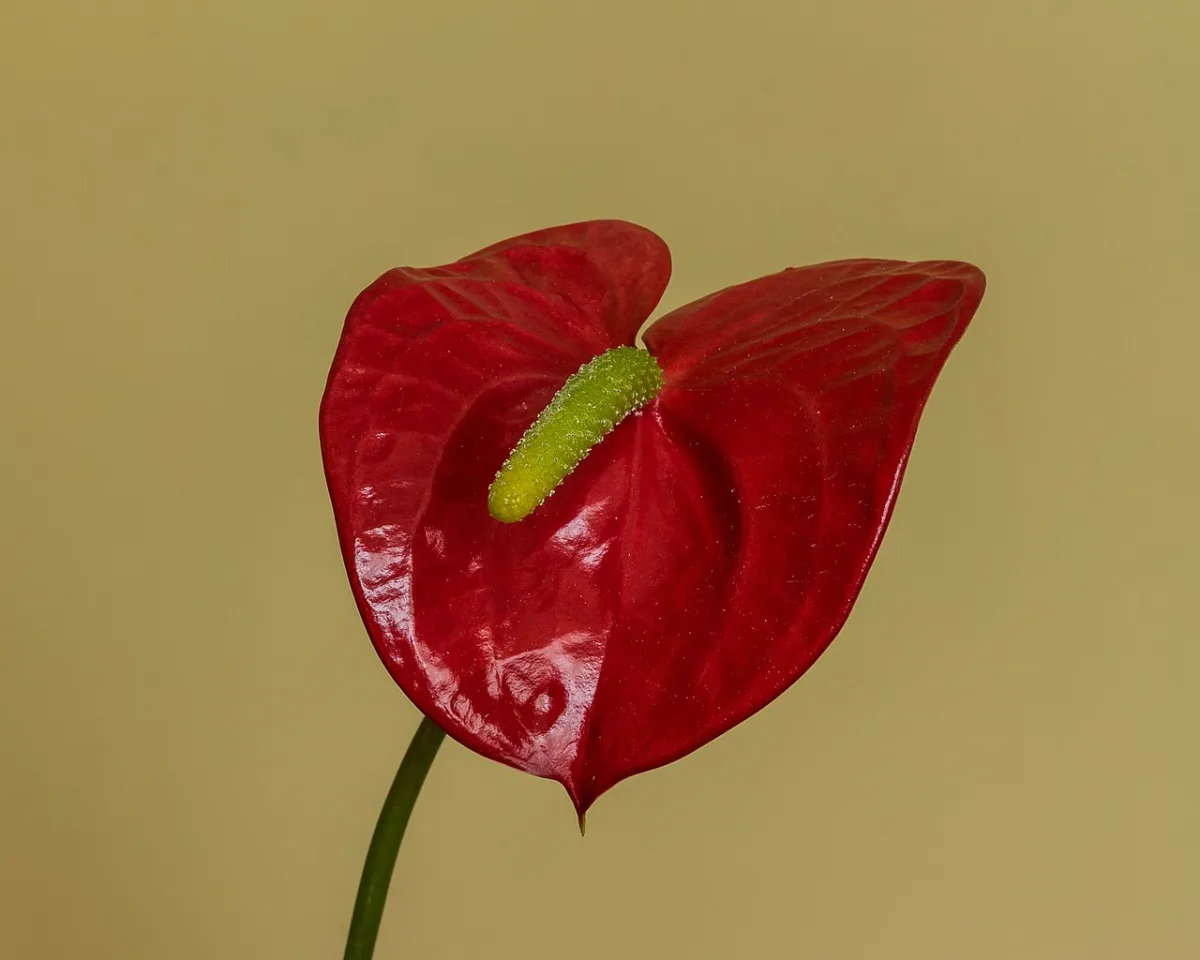
Anthurium
Anthurium andraeanum

Monstera Thai Constellation
Monstera deliciosa Thai Constellation

Monstera Deliciosa
Monstera deliciosa
Free care tools
Keep your Bird's Nest Fern thriving.
Get a watering schedule for your conditions, or work out what's wrong when something looks off.