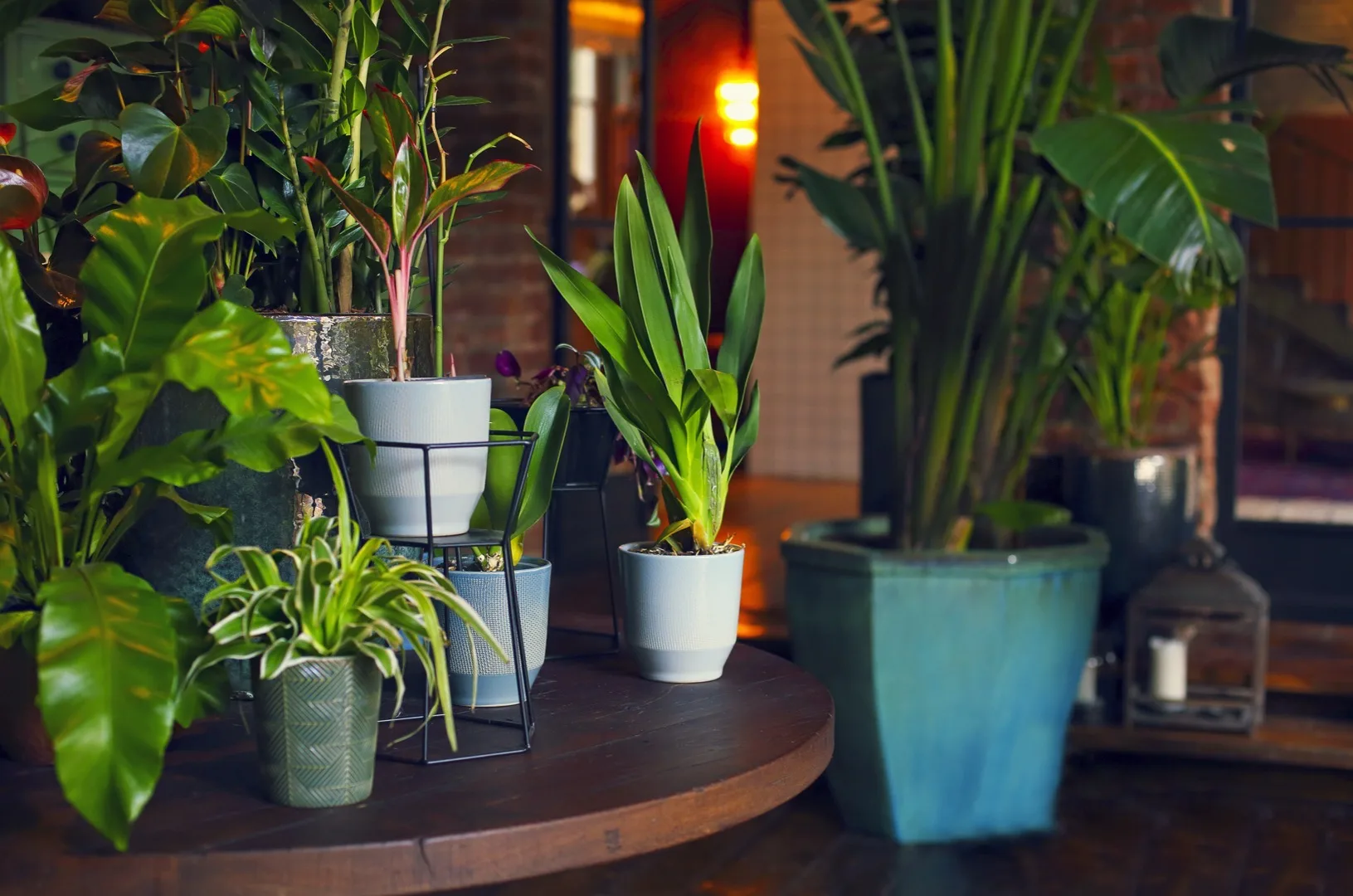
A great plant stand or shelf does more than hold your plant off the floor. It creates levels and visual interest, puts plants at better light angles, improves airflow around pots, and — let us be honest — makes your space look significantly more intentional. The difference between a plant on the floor and a plant elevated on a beautiful stand is dramatic.
Here are plant display options across every style and budget, from a simple bamboo stand to a full IKEA shelving system.
1. Bamboo 3-Tier Plant Stand — Best Overall
The bamboo 3-tier stand is a common, simple choice. It holds 3-6 plants on staggered shelves, looks warm and natural, and fits in a corner without dominating the room. Assembly takes about 15 minutes. The natural bamboo tone complements virtually any decor style.
Why it is good: Staggered tiers create visual depth and let light reach lower plants. The corner design maximizes floor space. Bamboo is a sustainable material that resists moisture well (important when you are around watering plants constantly). Weight capacity is typically 20-30 lbs per shelf.
Pros:
- Holds multiple plants on a small footprint
- Natural bamboo looks good everywhere
- Simple, light construction
- Easy assembly
Cons:
- Many near-identical versions on Amazon (quality varies)
- Light bamboo color only — no dark options
- Bottom shelf is close to the floor (limited light)
- Not ideal for very heavy pots (large terracotta, concrete)
2. Metal Mid-Century Plant Stand Set — Best Decorative
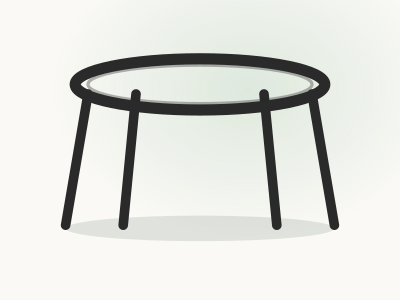
These are the classic wire-frame stands with splayed legs that you see in every interior design photo. They come in sets of different heights (typically 8, 10, and 12 inches) in black, gold, or white finishes. Drop a pot inside and instantly elevate (literally) your plant game.
Why it is good: Different heights in one set lets you create a layered display. The open wire frame keeps things visually light. Available in finishes that match popular decor trends (black for minimalist, gold for boho, white for Scandi). Powder-coated metal resists water and rust.
Pros:
- Multiple heights create visual interest
- Available in trendy finishes
- Lightweight and easy to move
- Pot sits inside the ring — stable
Cons:
- Only holds one pot per stand
- Ring diameter must match your pot size (measure first)
- Can wobble on uneven floors
- Not for heavy pots — weight limit around 15-20 lbs
3. Floating Shelves — Best Space-Saver
Floating shelves use zero floor space and turn any wall into a plant display. A set of three at staggered heights creates a living wall effect. Choose shelves at least 6 inches deep (8 inches is better) to accommodate most pot sizes. Wall-mounted means you can position them at exactly the right height for light and visibility.
Why it is good: Perfect for small apartments where floor space is precious. You can position shelves near windows for optimal light. Trailing plants (pothos, string of hearts) look spectacular hanging from floating shelves. They also create the visual layering that makes a space feel intentional.
Pros:
- Zero floor footprint
- Position at any height for light optimization
- Trailing plants look amazing
- Available in wood, white, black, metal
Cons:
- Requires wall mounting (holes in walls)
- Weight capacity varies — check before loading heavy pots
- Water drips can damage walls
- Not renter-friendly without landlord approval
4. IKEA BROR Shelf Unit — Best Budget Full System
The BROR is an industrial-style metal shelf unit that plant people have adopted as the ultimate plant stand. Open wire shelves allow light and air to reach plants on every level. The galvanized steel is very durable and handles water, dirt, and heavy pots without complaint. You can add grow lights under each shelf easily.
Pros:
- Holds many plants — 4-5 shelves
- Industrial aesthetic that works in modern spaces
- Incredibly sturdy — holds heavy pots
- Wire shelves allow light penetration
- Easy to add grow lights
Cons:
- Industrial look is not for everyone
- Large — needs a dedicated wall
- Assembly required (IKEA typical)
- Metal gets cold in winter
5. Ladder Shelf — Best for Beginners
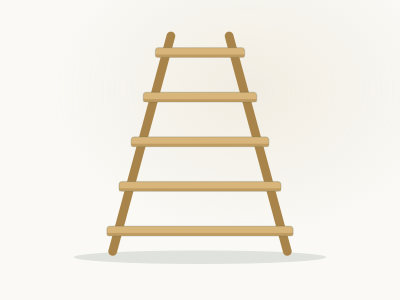
A leaning ladder shelf with 4-5 tiers that leans against a wall. The graduated width (wider at bottom, narrower at top) naturally suggests putting larger plants at the bottom and smaller ones up top. It looks deliberate and styled even with zero design effort.
Pros:
- Natural visual hierarchy — easy to style
- Leans against wall — no mounting needed
- Available in wood, bamboo, and metal
- Relatively compact footprint
Cons:
- Must be leaned against a wall (not freestanding)
- Top shelves get very narrow
- Can tip if bumped (secure to wall with a strap)
6. Corner Plant Stand (Metal, Multi-Tier) — Best for Corners
A metal stand designed specifically for corners, with 5-7 tiers at different heights. Turns a dead corner into a lush plant display. Most models are black metal with a powder-coated finish. Weight capacity varies — typically 10-15 lbs per tier.
Pros:
- Utilizes otherwise dead corner space
- Many tiers for multiple plants
- Creates a dense, lush look
Cons:
- Lower tiers get very little light
- Crowded plants reduce airflow (fungus risk)
- Some models wobble under heavy loads
7. Window Shelf (Acrylic or Wood) — Best for Light
Suction-cup mounted acrylic shelves or tension-rod window shelves that sit directly in the window frame. The best spot in your house for light, and now you can fill it with plants. Acrylic shelves are nearly invisible, letting the plants float in the window.
Pros:
- Maximum light exposure
- No wall damage (suction cups or tension rods)
- Acrylic versions are almost invisible
- Perfect for propagation stations
Cons:
- Weight limit is low (5-10 lbs typically)
- Suction cups can fail in heat or humidity
- Only works with specific window types
- Direct sun can burn some plants
Styling Tips
- Vary heights. Mix tall and short plants, use stands at different heights. Uniformity looks boring.
- Mix textures. Pair smooth-leafed plants (rubber plant) with textured ones (fern, calathea). Trailing plants soften hard edges.
- Odd numbers. Groups of 3 or 5 plants look more natural than 2 or 4.
- Coordinate pots, not plants. Matching pot materials (all terracotta, all white ceramic) creates cohesion even with wildly different plants.
- Leave space. Not every shelf needs a plant. Negative space lets each plant breathe visually.
Weight Considerations
| Pot Size | Approximate Weight (with soil and water) |
|---|---|
| 4-inch plastic | 1-2 lbs |
| 6-inch ceramic | 5-8 lbs |
| 8-inch terracotta | 10-15 lbs |
| 10-inch ceramic | 15-25 lbs |
| 12-inch concrete | 25-40 lbs |
Pro Tip
Always check weight capacity before loading a shelf. A wet 8-inch terracotta pot can easily weigh 15 pounds — most floating shelves max out around 15-20 lbs. Use lightweight nursery pots inside cache pots to reduce weight on shelves.
Frequently Asked Questions
Do I need grow lights for shelf plants?
If the shelf is more than 5-6 feet from a window, yes. Plants on lower tiers of multi-level stands almost always need supplemental light. Barrina T5 LED strips mount perfectly under shelves.
How do I protect surfaces from water?
Use saucers under every pot, waterproof shelf liners on wood shelves, and wipe up drips immediately. Cork mats under saucers add extra protection.
Should I rotate plants on shelves?
Yes. Rotate plants 90 degrees every week or two so all sides get light. Plants will lean toward the light source otherwise, creating uneven growth.
What is the best DIY plant stand?
A concrete block and a wood plank. Seriously — two cinder blocks with a sanded and stained 2x10 board across them makes a sturdy, industrial-chic plant shelf for very little money. Stack multiples for a tiered system.