Indoor Plants
Philodendron Birkin
Philodendron 'Birkin'
In short: Bright indirect light · medium water needs · toxic to cats and dogs (ASPCA)
Creamy white pinstripes on dark green leaves make the Philodendron Birkin a sophisticated, compact statement plant.
- Light
- Bright Indirect
- Water
- Medium
- Humidity
- Average
- Growth
- Medium
- Mature size
- 1-3 feet
- Temperature
- 60–85°F (16–29°C)
Philodendron Birkin does not bloom in typical indoor conditions. Like most Philodendrons, flowering is extremely rare outside of mature plants in tropical setti...
Last updated
Overview
Why the Philodendron Birkin Stands Out
The Philodendron Birkin is a modern classic. Each glossy, dark green leaf is painted with creamy white to lime-green pinstripes that look hand-drawn. No two leaves are exactly alike — as the plant matures, the striping patterns evolve and intensify, making every new unfurling leaf a small event.
Compact and Self-Heading
Unlike its vining Philodendron relatives, the Birkin is a self-heading variety, meaning it grows upright in a neat, compact rosette. This makes it perfect for tabletops, desks, and shelves where a trailing plant won't work. It stays tidy and structured without any training or support.
Modern Good Looks
The Birkin's clean lines and graphic striping pair beautifully with modern, minimalist decor, adding sophistication without demanding much space or attention.
Important: Toxic to Pets
Like most Philodendrons, the Birkin contains calcium oxalate crystals and is toxic to cats and dogs. Place it where curious pets can't nibble.
Watering
Water when the top 1-2 inches of soil feel dry — roughly once a week in the growing season, less in winter. The Birkin prefers consistent moisture but not soggy roots. Ensure thorough drainage after each watering and never let it sit in standing water.
Tip: A moisture meter takes the guesswork out and helps prevent both over and underwatering.

Light
Bright, indirect light is essential for maintaining those iconic white pinstripes. Low light causes the variegation to fade, and leaves may revert to solid green. Avoid direct sun, which can burn the leaves. East or north-facing windows work well. Rotate monthly for even growth.

Soil
A chunky, well-draining aroid mix is ideal. Combine standard potting soil with perlite, orchid bark, and a handful of charcoal in roughly equal parts. This provides the airflow and drainage that Philodendron roots need.
Fertilizing
Feed monthly during spring and summer with a balanced liquid fertilizer at half strength. The Birkin responds well to regular feeding with more vibrant variegation and faster growth.

Propagation
Propagate by division when the plant produces offsets, or by stem cuttings with at least one node. Root in water or sphagnum moss — roots appear in 3-4 weeks. Division during repotting is the easiest and most reliable method.

Repotting
Repot every 1-2 years in spring, going up one pot size. The Birkin is a moderate grower that doesn't outpace its pot quickly. Fresh, chunky soil at repotting time promotes healthy root growth.

Common problems
Reverting to green: Leaves losing their white stripes and turning solid green — usually from insufficient light. Move to a brighter spot.
Brown leaf tips: Low humidity or inconsistent watering. Boost humidity with a pebble tray.
Yellow leaves: Overwatering or poor drainage. Let soil dry more between waterings.
Red/pink leaves: Occasional reversion to its Rojo Congo parentage — a fun surprise, not a problem.
Pro tips
Light = stripes: More bright indirect light equals more dramatic white variegation. Find the brightest indirect spot you have.
Watch for reversions: If leaves start coming in solid green or reddish, increase light. Prune reverted growth to encourage striped leaves.
Humidity helps: While tolerant of average humidity, 50-60% humidity produces the lushest, most vibrant growth.
Slow and steady: Don't stress about growth speed — Birkins take their time but each leaf is worth the wait.
FAQ
Philodendron Birkin questions
Starter kit
Get set up for your Philodendron Birkin
Untick anything you already have.
The basics

Extras for your Philodendron Birkin
Was this helpful?
Your answer helps us improve this page.
Your answer didn't go through. Please try again.
Thanks for your feedback!
Plant hub
Everything about Philodendron Birkin
Similar plants
Plants like this one
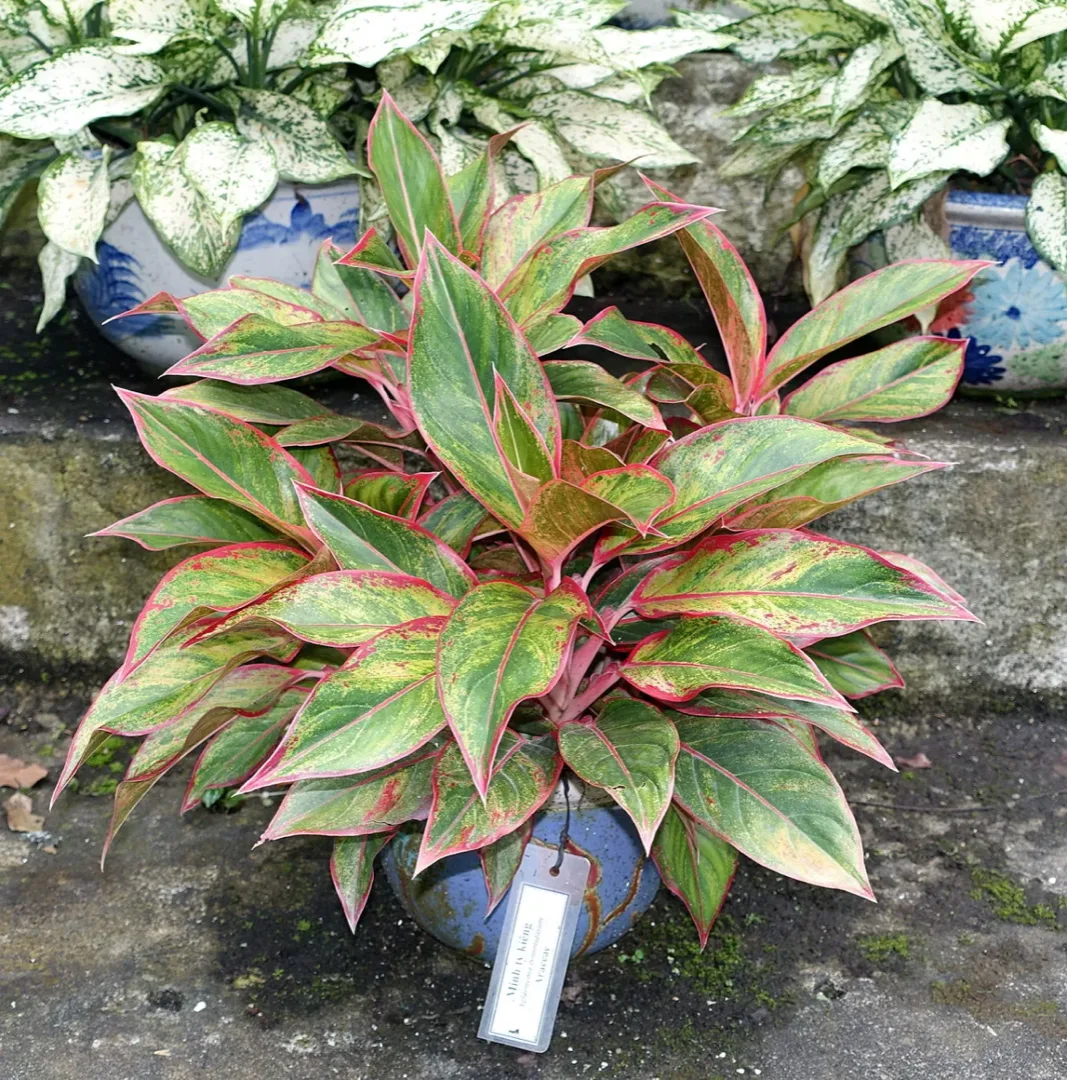
Chinese Evergreen
Aglaonema commutatum
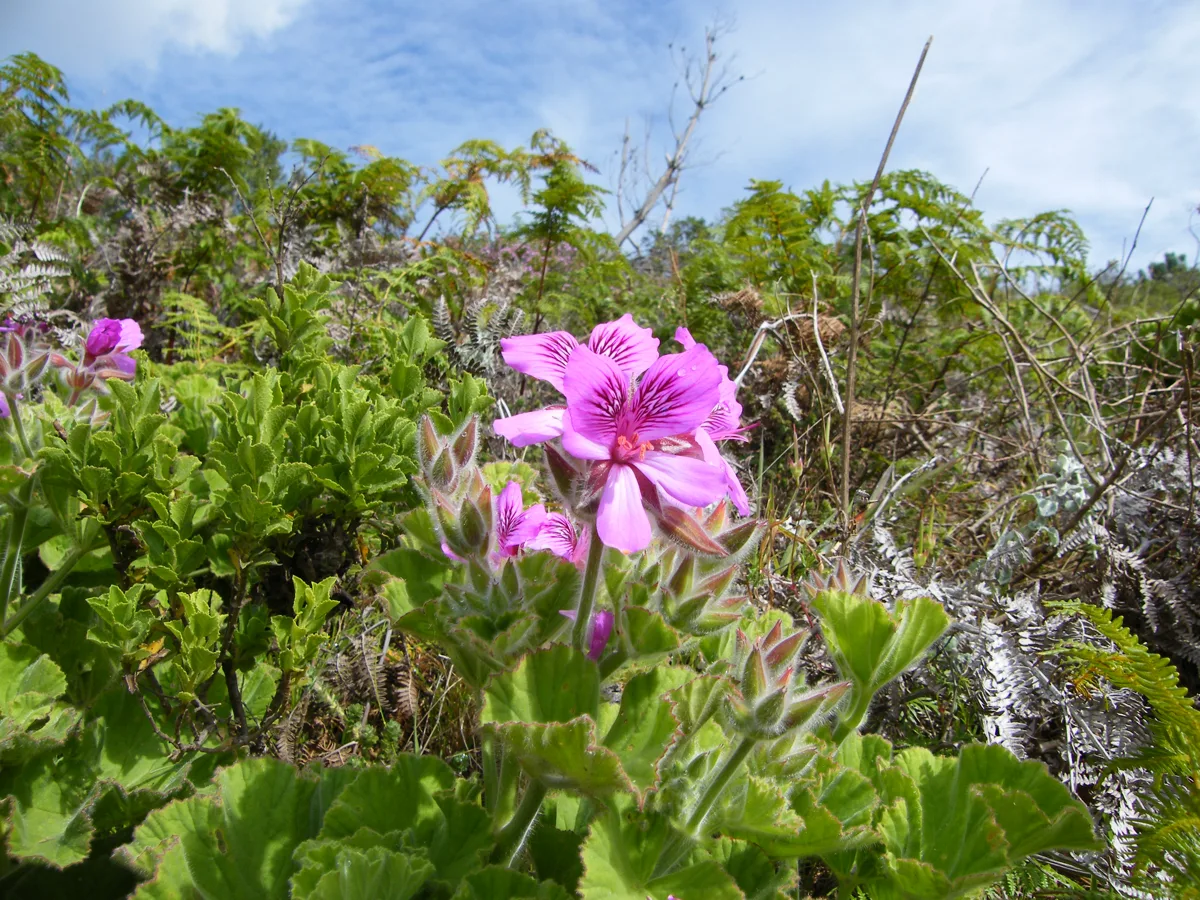
Citronella Plant
Pelargonium 'Citrosum'
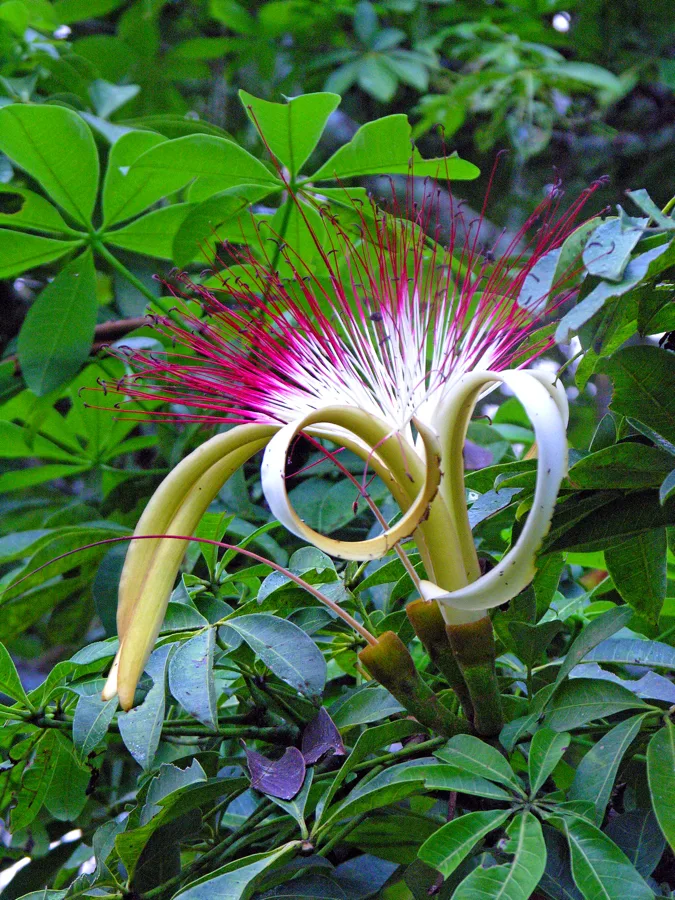 Non-toxic to pets
Money Tree
Pachira glabra
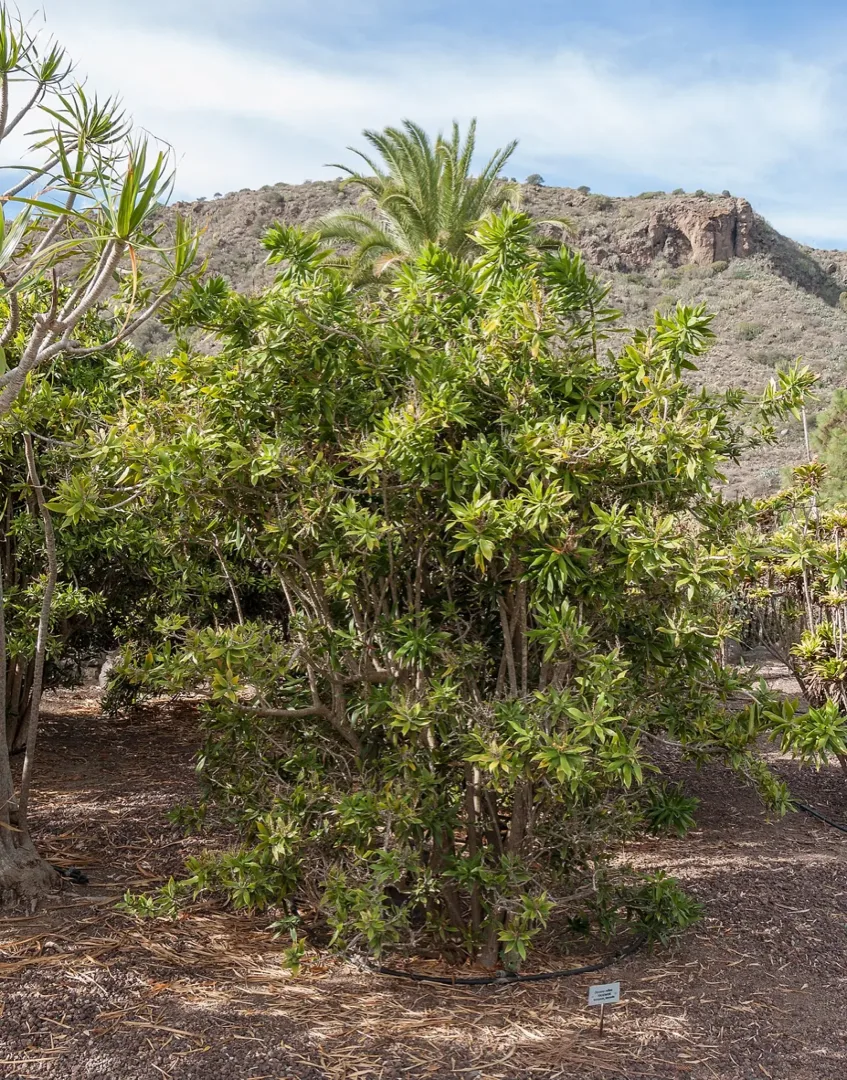
Dracaena
Dracaena marginata
Free care tools
Keep your Philodendron Birkin thriving.
Get a watering schedule for your conditions, or work out what's wrong when something looks off.