Indoor Plants
Rubber Tree Tineke
Ficus elastica 'Tineke'
In short: Bright indirect light · medium water needs · toxic to cats and dogs (ASPCA)
Creamy white, soft green, and blush-pink variegation make Rubber Tree Tineke a showstopping indoor tree with real designer appeal.
- Light
- Bright Indirect
- Water
- Medium
- Humidity
- Average
- Growth
- Medium
- Mature size
- 4-8 feet indoors
- Temperature
- 60–80°F (16–27°C)
Does not bloom indoors. Like all Ficus, it would produce tiny fig-like structures in the wild, but this is strictly a foliage plant in home settings.
Last updated
Overview
Rubber Tree Tineke: The Variegated Showstopper
If you love the bold structure of a classic Rubber Plant but crave something more colorful, Tineke is the answer. Each leaf is a unique canvas of creamy white, sage green, and soft pink — no two are exactly the same.
A Statement Indoor Tree
Tineke is a popular choice for interiors, and for good reason. Its pastel palette complements virtually any decor style, from minimalist Scandinavian to warm bohemian. As it grows into a small indoor tree, it becomes a genuine statement piece.
Care That Rewards
Slightly more particular than a standard Rubber Plant — the variegated sections have less chlorophyll, so bright light is essential. But give Tineke what it needs and you will be rewarded with a very photogenic houseplant.
New Growth Drama
Every new leaf unfurls from a pink-red sheath, emerging with bright pink tones that gradually settle into its signature cream-and-green pattern. Watching a new leaf open is genuinely exciting.

Watering
Water when the top 1-2 inches of soil feel dry. In spring and summer that is roughly once a week; in winter, every 10-14 days. Water thoroughly until it runs from the drainage holes, then empty the saucer. Overwatering causes leaf drop — it is the most common mistake.
Tip: Leaves drooping slightly? Check the soil first — wet soil means too much water, dry soil means it is thirsty.

Light
Needs bright, indirect light to maintain vivid variegation. Without enough light, new leaves may revert to mostly green. An east-facing window or a few feet from a south/west window works well. Some gentle morning direct sun is fine, but avoid harsh afternoon rays that scorch the cream sections.

Soil
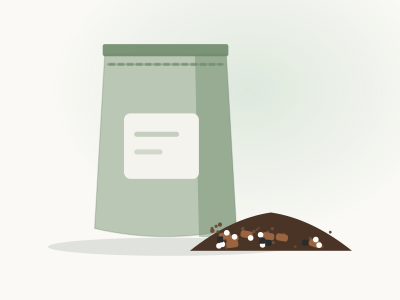
Well-draining mix is a must. Combine standard potting soil, perlite, and orchid bark in a 2:1:1 ratio. The bark adds structure and airflow around roots, preventing the waterlogging that Ficus hate.
Fertilizing
Feed monthly from spring through early fall with a balanced liquid fertilizer at half strength. Skip winter entirely — the plant rests and does not need extra nutrition. Flush the soil every few months to prevent salt buildup.
Propagation
Take 6-inch stem cuttings with 2-3 leaves. Let the milky sap dry for about an hour before placing in water or moist perlite. Cover with a clear bag for humidity. Roots develop in 4-8 weeks. Air layering is another reliable method for larger specimens.

Repotting
Repot every 2-3 years in spring, sizing up 2 inches. Tineke prefers being slightly snug — a too-large pot holds excess moisture. Refresh the top inch of soil annually even when not fully repotting.

Common problems
Losing variegation: Insufficient light — move closer to a bright window to restore cream and pink tones.
Dropping leaves: Cold drafts, overwatering, or sudden moves. Keep it in a stable spot.
Brown patches on cream areas: Sunburn — the white sections burn faster. Filter the light.
Leggy growth: Prune the top to encourage branching.
Pro tips
Branch out: Prune above a node in spring to force side shoots — this creates a fuller, tree-like shape over time.
Pink boost: More bright light = more pink in new leaves. A sheer-curtained south window is ideal.
Sap alert: Milky white latex sap stains fabric and irritates skin. Always wear gloves when pruning.
FAQ
Rubber Tree Tineke questions
Starter kit
Get set up for your Rubber Tree Tineke
Untick anything you already have.
The basics

Extras for your Rubber Tree Tineke
Was this helpful?
Your answer helps us improve this page.
Your answer didn't go through. Please try again.
Thanks for your feedback!
Plant hub
Everything about Rubber Tree Tineke
Step-by-step guides

Similar plants
Plants like this one
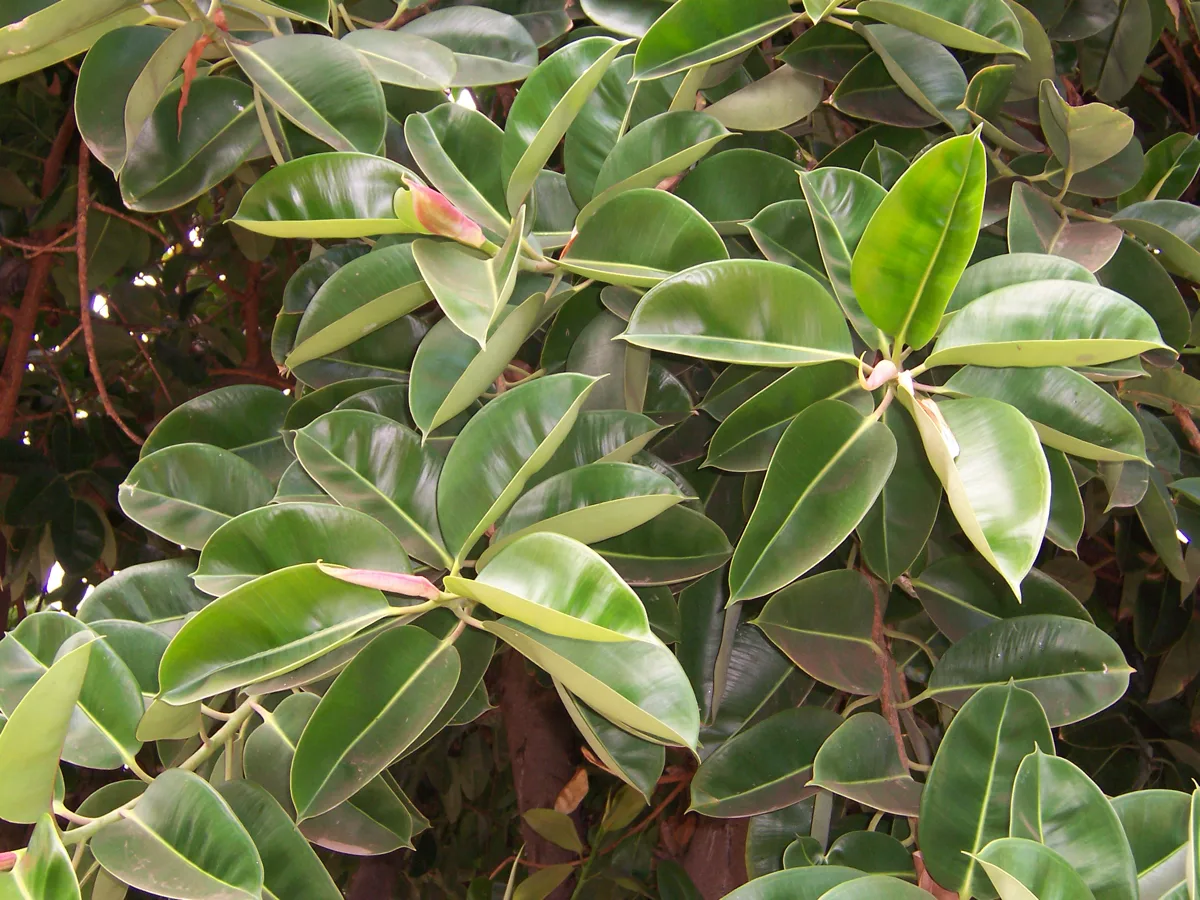
Rubber Tree Burgundy
Ficus elastica 'Burgundy'
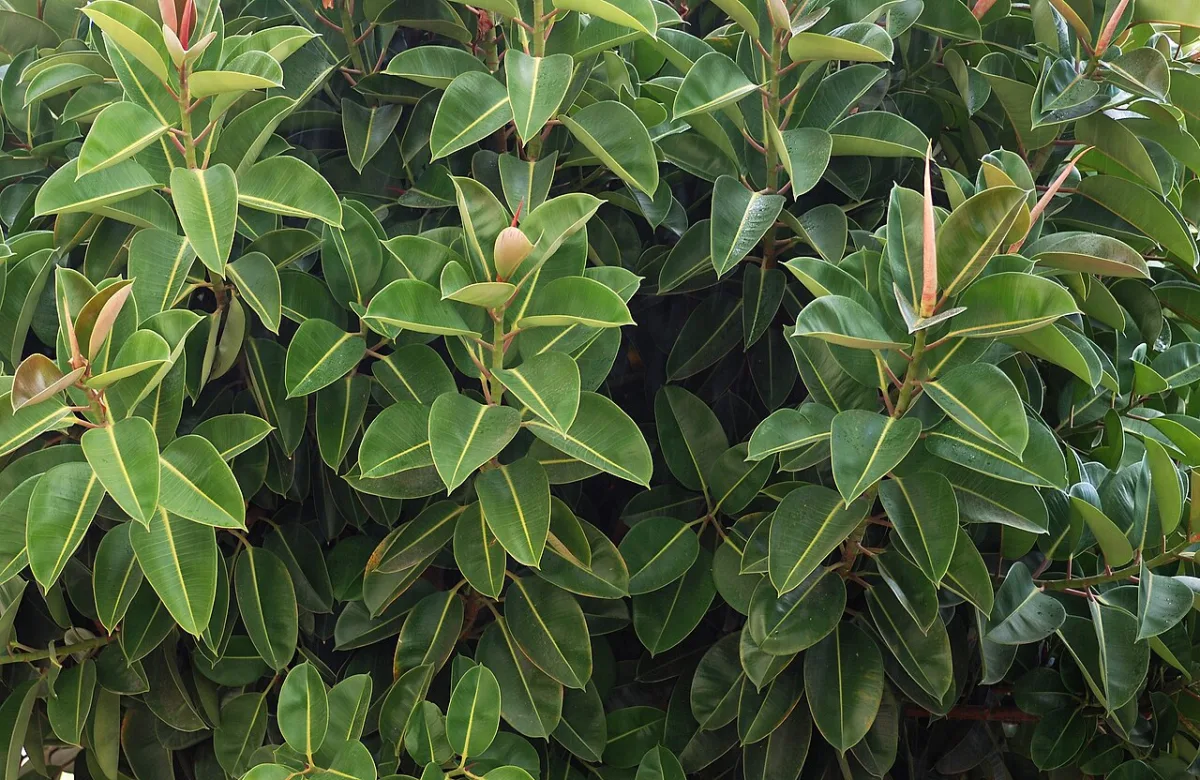
Rubber Plant
Ficus elastica
 Non-toxic to pets
Cast Iron Plant
Aspidistra elatior
Air Plant
Tillandsia spp.
Free care tools
Keep your Rubber Tree Tineke thriving.
Get a watering schedule for your conditions, or work out what's wrong when something looks off.