Indoor Plants
Rubber Tree Burgundy
Ficus elastica 'Burgundy'
In short: Bright indirect light · medium water needs · toxic to cats and dogs (ASPCA)
Deep, near-black burgundy leaves with crimson undersides create a bold, moody statement — the dramatic side of the classic Rubber Plant.
- Light
- Bright Indirect
- Water
- Medium
- Humidity
- Average
- Growth
- Medium
- Mature size
- 6-10 feet indoors
- Temperature
- 60–80°F (16–27°C)
Rubber Trees rarely bloom indoors. In their native tropical habitat, they produce small fig-like fruits. The dramatic dark foliage is this variety's true appeal...
Last updated
Overview
Rubber Tree Burgundy: Dark Drama for Your Home
If regular Rubber Plants are handsome, the Burgundy variety is breathtaking. Leaves emerge in shades of deep red and mature to an almost-black burgundy that catches light with a subtle, moody shine.
Bold, Dark Foliage
The thick, leathery leaves start as bright red sheaths that slowly unfurl to reveal deep burgundy-black upper surfaces with vivid crimson undersides. This two-tone effect makes every leaf a piece of living art — especially when backlit by natural light.
Same Easy Care, Double the Drama
Despite its premium appearance, the Burgundy Rubber Tree is just as easy to grow as the standard green variety. It's a forgiving, slow-growing indoor tree that rewards minimal effort with maximum visual impact.
Statement Tree
A mature Burgundy Rubber Tree in a stylish pot becomes a focal point in any room. It pairs beautifully with modern, minimalist decor and adds a sophisticated darkness that few other houseplants can match.
Watering
Water when the top 1-2 inches of soil feel dry — roughly once a week in spring and summer, every 10-14 days in cooler months. Water thoroughly until it drains, then empty the saucer. Overwatering leads to leaf drop.
Tip: Droopy leaves with dry soil = thirsty. Droopy with wet soil = overwatered.

Light
Bright indirect light keeps the deep burgundy color at its richest. Can handle a few hours of direct morning sun. Lower light causes leaves to revert toward dark green rather than burgundy. East or south-facing windows work best.

Soil
Well-draining potting mix with perlite and orchid bark in a 2:1:1 ratio. Drainage is critical — heavy, soggy soil leads to root rot. A pot with drainage holes is essential for this tropical tree.
Fertilizing
Feed monthly during the growing season with a balanced liquid fertilizer at half strength. The slow-to-moderate growth rate means it's not a heavy feeder. Stop fertilizing in winter when growth stalls.

Propagation
Propagate from 6-inch stem cuttings with 2-3 leaves. Let the white sap dry for an hour before placing in moist perlite or water. Cover with a clear bag for humidity. Air layering works well for larger, more established plants.

Repotting
Repot every 2-3 years in spring, sizing up 2 inches. They perform well slightly root-bound, so don't rush to repot. Fresh soil every couple of years refreshes nutrients even if you keep the same pot size.
Common problems
Leaf drop: Cold drafts, overwatering, or sudden environmental changes — the most common issue.
Losing burgundy color: Insufficient light — move to a brighter position.
Brown edges: Low humidity or fertilizer buildup. Flush soil with water.
Leggy growth: Prune the top to encourage side branching.
Pro tips
Branch it out: Prune the main stem to force side shoots — creates a bushier, tree-like shape instead of a single tall stem.
Leaf cleaning: Wipe monthly with a damp cloth to maintain the gorgeous dark shine.
Sap alert: White latex sap stains fabric and irritates skin — wear gloves when pruning.
FAQ
Rubber Tree Burgundy questions
Starter kit
Get set up for your Rubber Tree Burgundy
Untick anything you already have.
The basics

Extras for your Rubber Tree Burgundy
Was this helpful?
Your answer helps us improve this page.
Your answer didn't go through. Please try again.
Thanks for your feedback!
Plant hub
Everything about Rubber Tree Burgundy
Step-by-step guides
Similar plants
Plants like this one
 Non-toxic to pets
Polka Dot Plant
Hypoestes phyllostachya
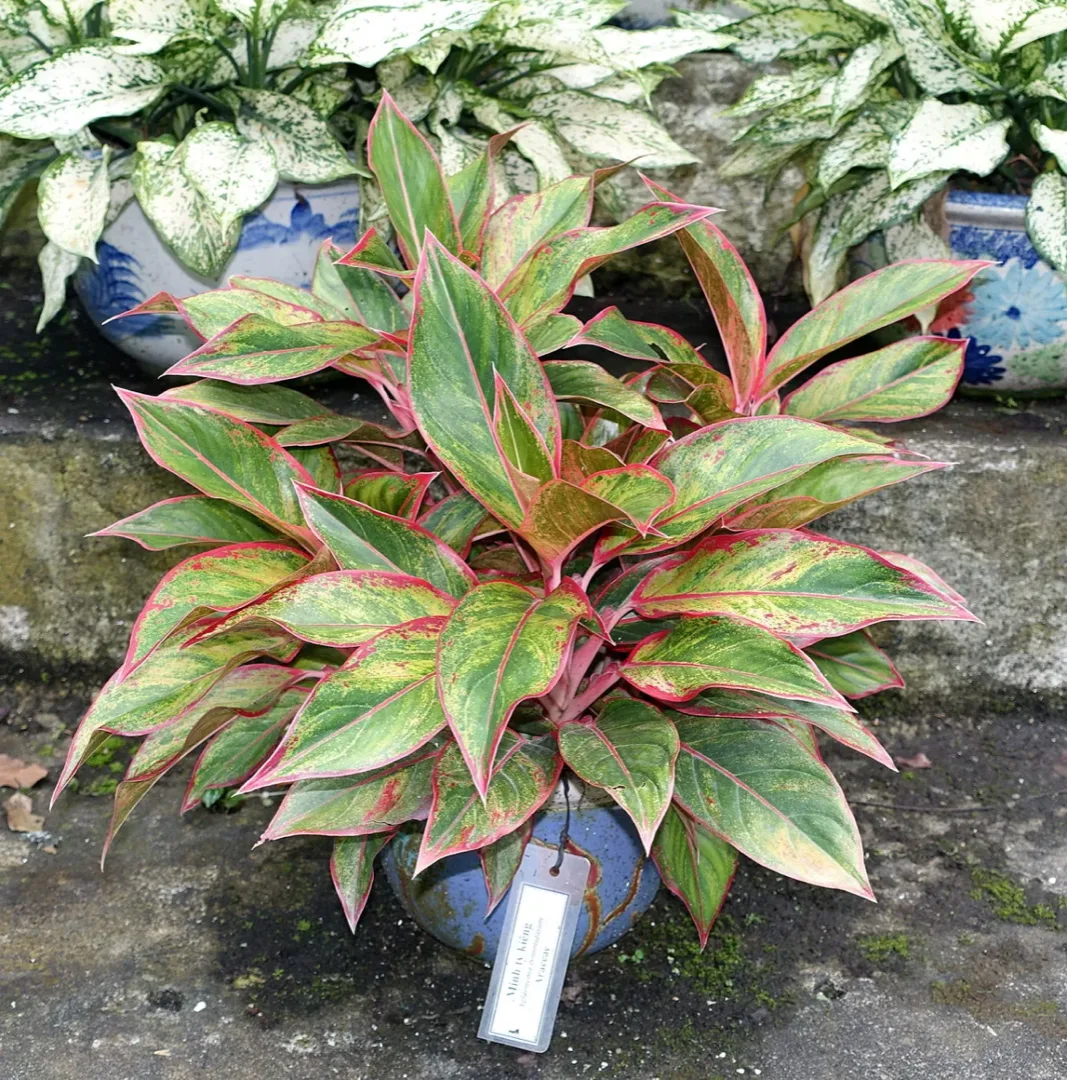
Chinese Evergreen
Aglaonema commutatum
 Non-toxic to pets
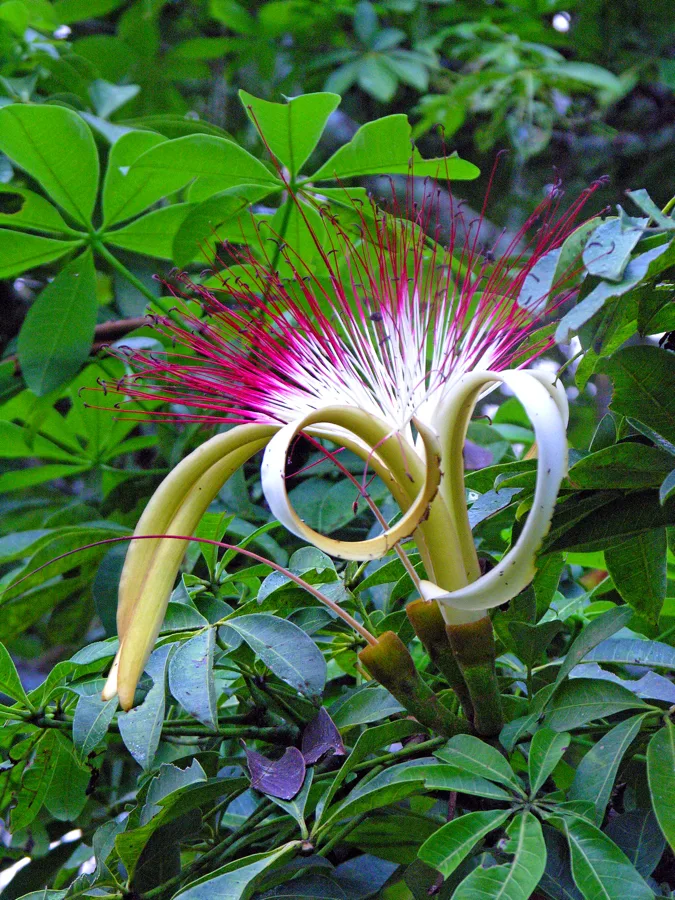
Money Tree
Pachira glabra
 Non-toxic to pets
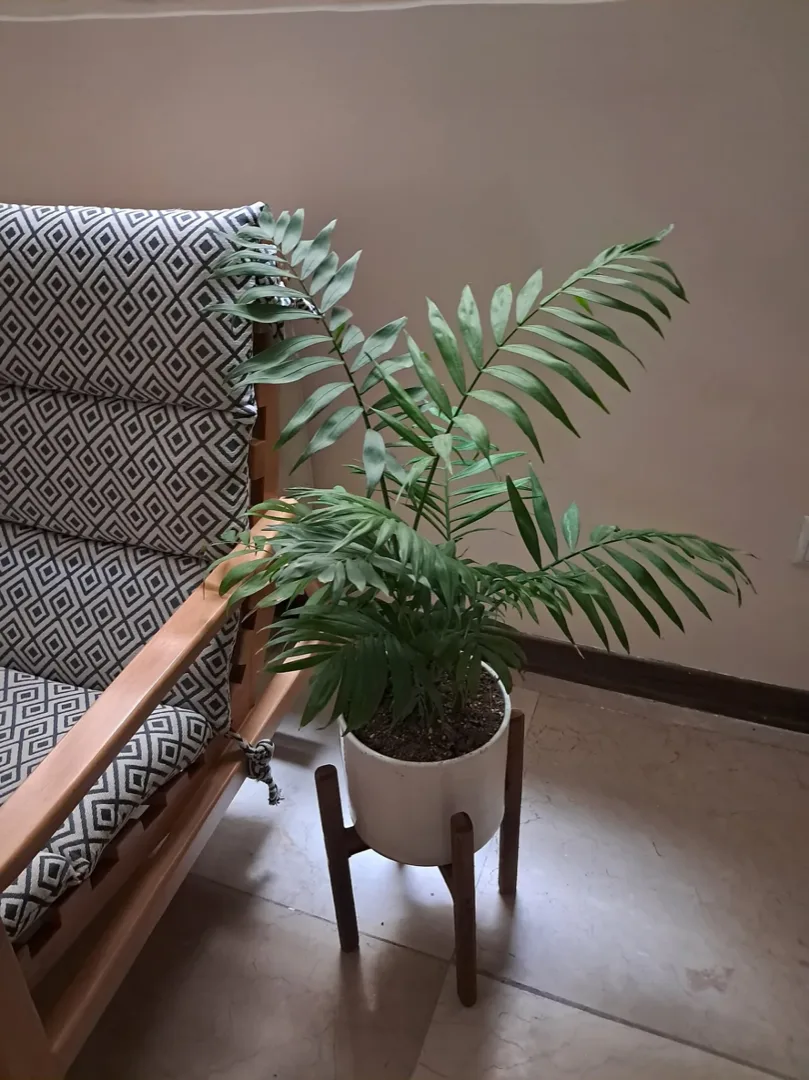
Parlor Palm
Chamaedorea elegans
Free care tools
Keep your Rubber Tree Burgundy thriving.
Get a watering schedule for your conditions, or work out what's wrong when something looks off.