Tropical Plants
Monstera Peru
Philodendron opacum
In short: Bright indirect light · medium water needs · toxic to pets
Thick, deeply textured leaves with a dark shimmer make Monstera Peru one of the most unique and touchable plants you can grow.
- Light
- Bright Indirect
- Water
- Medium
- Humidity
- Average
- Growth
- Fast
- Mature size
- 6-8 feet indoors on a support
- Temperature
- 60–85°F (16–29°C)
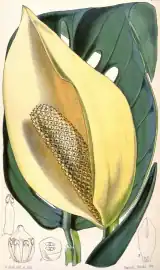
Extremely rare indoors. In nature, it produces a small spathe typical of aroids, but the textured foliage is the main attraction.
Last updated
Overview
Monstera Peru: The Textured Treasure
Forget what you know about Monsteras — this one breaks all the rules. Monstera Peru (botanically Philodendron opacum) has no fenestrations, no splits, just thick, deeply puckered leaves with an almost metallic shimmer that begs to be touched.
A Different Kind of Monstera
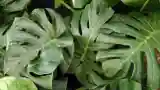
While its famous cousins show off with dramatic leaf holes, Monstera Peru makes a statement through texture. Each stiff, leathery leaf is deeply ridged and rippled, catching light in a way that shifts between dark green and silvery blue.
Fast-Growing Climber
Give this plant a moss pole and it takes off — producing larger, more textured leaves as it climbs. It's a surprisingly fast grower for a plant with such thick foliage, and it transitions beautifully from compact tabletop plant to lush climber.
Easy to Love
Despite its exotic appearance, Monstera Peru is forgiving and adapts well to typical home conditions. It's harder to overwater than most Monsteras thanks to its thick, succulent-like leaves.
Watering
Allow the top 1-2 inches of soil to dry between waterings. The thick leaves store moisture, making it more drought-tolerant than other Monsteras. Water thoroughly and let excess drain. In winter, reduce to every 10-14 days.
Tip: When in doubt, wait a day — this plant handles underwatering better than overwatering.
Light
Bright indirect light brings out the best leaf texture and color. Tolerates medium light well but grows slower. Avoid direct afternoon sun which can bleach the beautiful dark coloring. Morning sun from an east-facing window is perfect.
Soil
Use a well-draining aroid mix — potting soil, perlite, and orchid bark in a 2:1:1 ratio. The thick roots need airflow. A pot with drainage holes is essential to prevent root rot in this thick-leafed species.
Fertilizing
Feed monthly in spring and summer with a balanced liquid fertilizer at half strength. This plant is not a heavy feeder. Skip winter entirely. Over-fertilizing causes salt buildup and crispy leaf margins.
Propagation
Take stem cuttings with at least one node and leaf. Place in water or moist sphagnum moss. Roots appear in 2-4 weeks — faster than most aroids. Each node can produce a new growth point, making propagation very rewarding.
Repotting
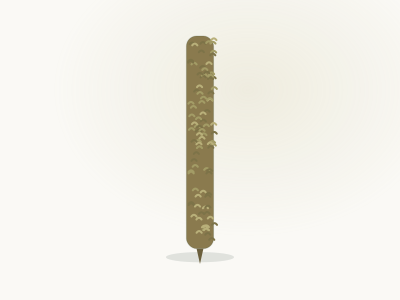
Repot every 1-2 years in spring when roots start circling. Move up one pot size only. Add a moss pole at repotting time if you want larger leaves. Fresh soil gives a noticeable growth boost.
Common problems
Curling leaves: Underwatering or very low humidity — water and mist.
Yellow leaves: Overwatering — check drainage and reduce frequency.
Slow growth: Needs more light or a climbing support.
Leggy stems: Insufficient light — move to a brighter location.
Pro tips
Climbing = bigger leaves: Attach to a moss pole for significantly larger, more textured foliage.
Touch-friendly: The thick leaves are surprisingly durable — perfect for high-traffic spots.
Easy propagation: One of the easiest aroids to propagate — great for sharing with friends.
FAQ
Monstera Peru questions
Starter kit
Get set up for your Monstera Peru
Untick anything you already have.
The basics
Extras for your Monstera Peru
Was this helpful?
Your answer helps us improve this page.
Your answer didn't go through. Please try again.
Thanks for your feedback!
Plant hub
Everything about Monstera Peru
Step-by-step guides

Articles & tips

Similar plants
Plants like this one
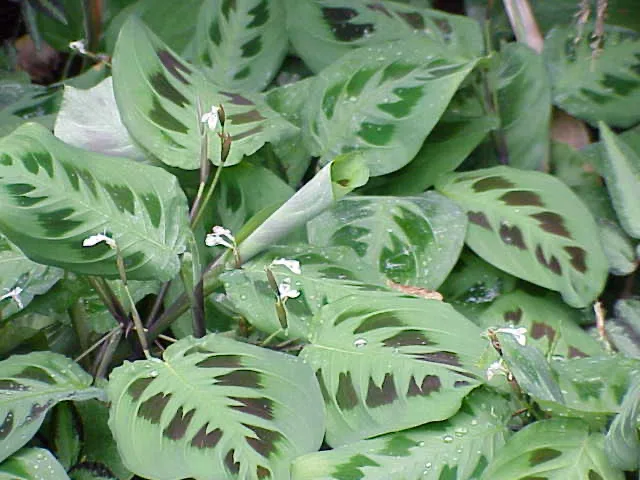 Non-toxic to pets
Prayer Plant
Maranta leuconeura
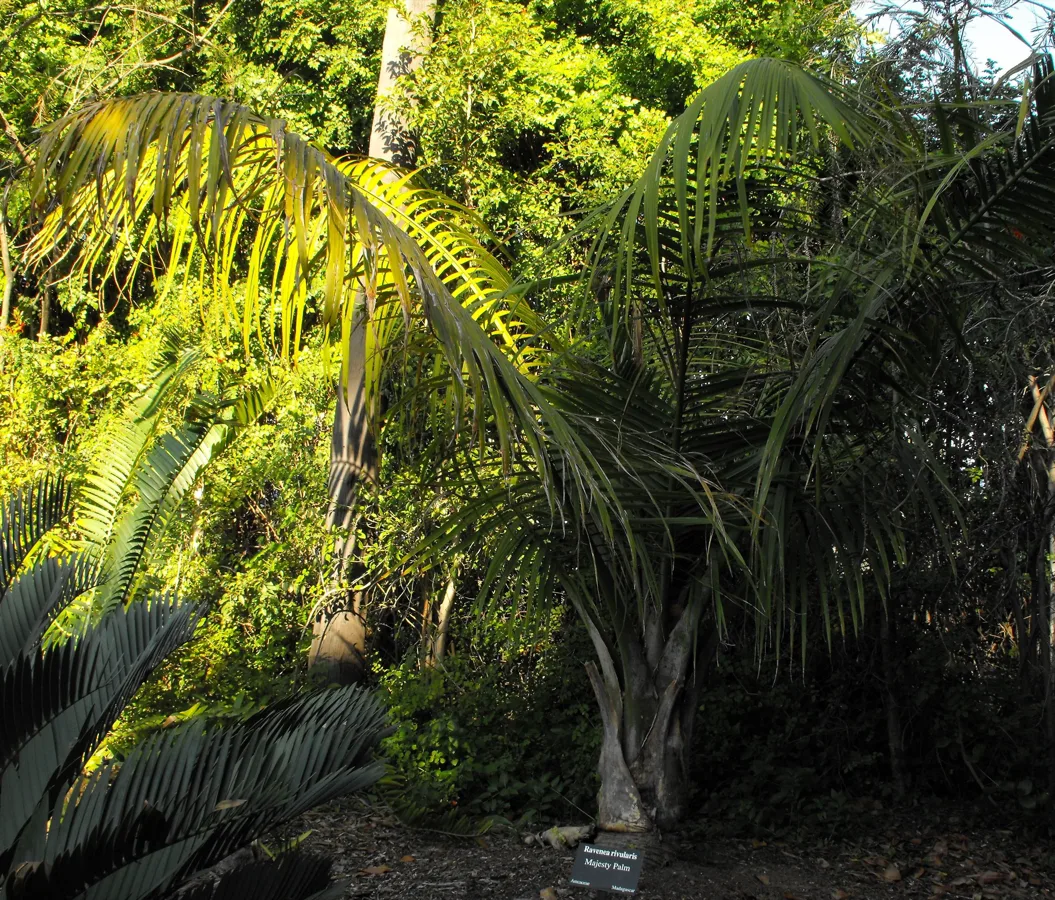 Non-toxic to pets
Majesty Palm
Ravenea rivularis
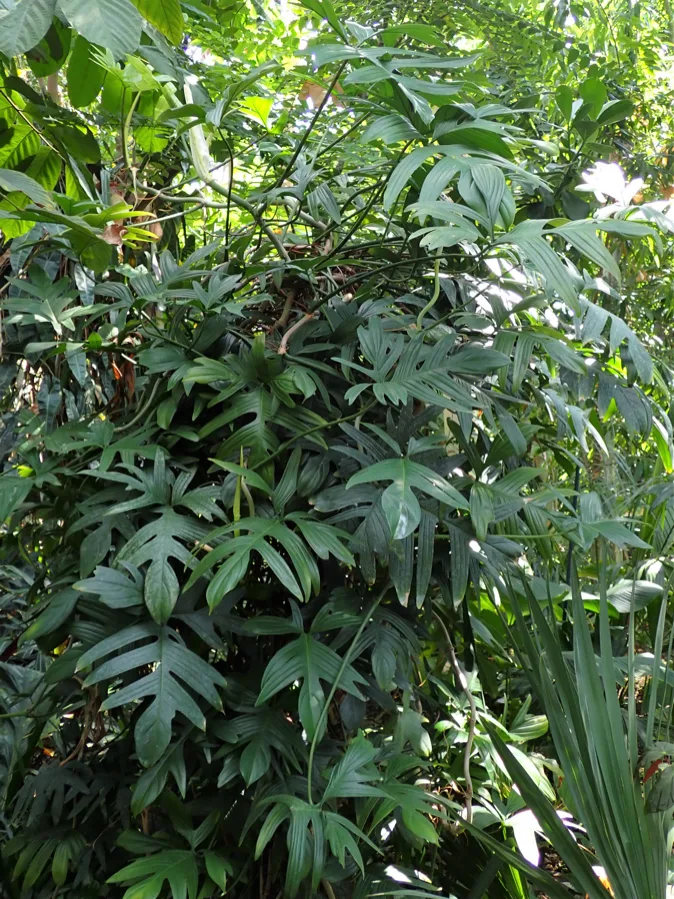
Philodendron Florida Ghost
Philodendron 'Florida Ghost'
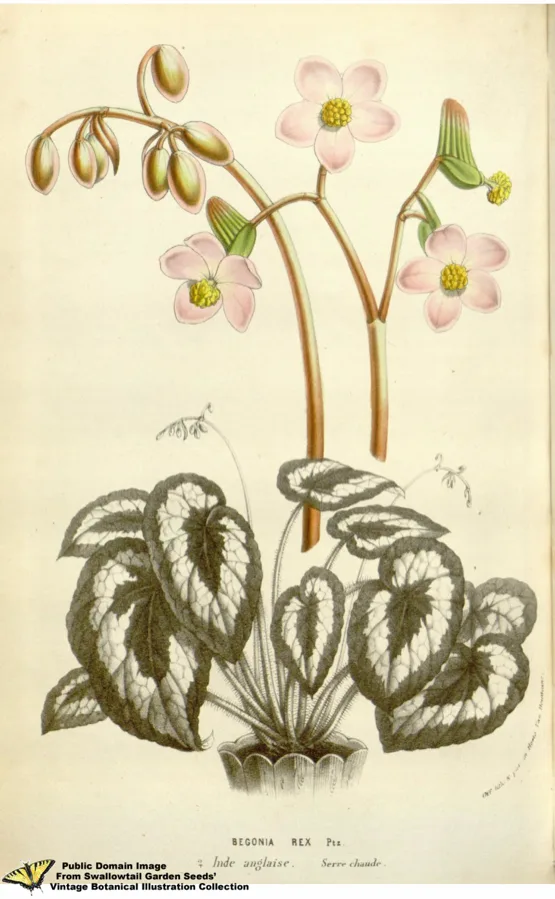
Rex Begonia
Begonia rex
Free care tools
Keep your Monstera Peru thriving.
Get a watering schedule for your conditions, or work out what's wrong when something looks off.