Tropical Plants
Majesty Palm
Ravenea rivularis
In short: Bright indirect light · high water needs · non-toxic to cats and dogs (ASPCA)
Graceful arching fronds bring instant tropical resort vibes to any room. Majesty Palm is the statement piece your space is missing.
- Light
- Bright Indirect
- Water
- High
- Humidity
- High
- Growth
- Slow
- Mature size
- 4-8 feet indoors
- Temperature
- 65–85°F (18–29°C)
Does not bloom indoors. In its native Madagascar habitat, mature trees produce small clusters of flowers, but indoor specimens never reach that stage.
Last updated
Overview
Majesty Palm: Instant Tropical Atmosphere
Close your eyes and picture a breezy resort lobby — chances are, there is a Majesty Palm in the scene. These graceful palms bring that lush, vacation energy into your living room with their long, arching fronds and elegant trunk.
A True Statement Plant
Growing 4-8 feet indoors, the Majesty Palm commands attention without overwhelming a space. Its soft, feathery fronds sway gently and create beautiful shadows, adding life and movement to any room.
Worth the Extra Effort
Let us be honest — Majesty Palms are a bit more demanding than your average houseplant. They want consistent moisture, decent humidity, and good light. But if you are willing to meet them halfway, the reward is a genuinely tropical atmosphere that no other plant delivers quite the same way.
Pet-Friendly Beauty
Good news for pet owners: the ASPCA lists the Majesty Palm as non-toxic to cats and dogs, so it is a large, dramatic houseplant you can keep in a home with pets.

Watering
Keep soil consistently moist — not soaking, but never bone-dry. Water when the top inch feels dry, typically twice a week in warm months and weekly in winter. These are riverbank palms in the wild, so they expect steady moisture. Drooping fronds often signal thirst.
Tip: Use filtered or distilled water — Majesty Palms are sensitive to fluoride and chlorine in tap water.

Light
Bright, indirect light for 6-8 hours daily is ideal. Near a south or west-facing window with a sheer curtain works perfectly. Too little light causes stretching and pale fronds. Some direct morning sun is fine, but hot afternoon rays scorch the frond tips.

Soil
Use a slightly acidic, well-draining mix. Combine peat-based potting soil with perlite and sand. A palm-specific potting mix is convenient. Good drainage is critical — despite loving moisture, standing water causes root rot.

Fertilizing
Feed monthly in spring and summer with a palm-specific fertilizer that includes magnesium and iron. These palms are prone to nutrient deficiencies — yellow fronds with green veins signal a magnesium shortage. Epsom salt (1 tablespoon per gallon) helps.
Propagation
Majesty Palms cannot be propagated by cuttings or division at home. They grow from seeds, which require warmth and patience — germination takes 2-4 months. For most growers, buying a new plant is far more practical.

Repotting
Repot every 2 years in spring, sizing up 2-3 inches. A heavy, sturdy pot prevents tipping as the palm grows tall. Refresh the top few inches of soil annually to replenish nutrients.

Common problems
Brown frond tips: Low humidity, dry soil, or mineral buildup from tap water. Increase humidity and use filtered water.
Yellow fronds: Overwatering or nutrient deficiency — check soil moisture and fertilize.
Spider mites: The number one pest for Majesty Palms, especially in dry air. Mist regularly and inspect frond undersides.
Slow growth indoors: Normal — they grow much faster outdoors in tropical conditions.
Pro tips
Humidity is key: Run a humidifier nearby or place on a large pebble tray. 50%+ humidity prevents most browning issues.
Frond trimming: Only remove fully brown fronds — yellowing ones are still transferring nutrients to the plant.
Summer vacation: Move it outdoors to a shaded patio in summer for a growth boost. Bring inside before temps drop below 60°F.
FAQ
Majesty Palm questions
Starter kit
Get set up for your Majesty Palm
Untick anything you already have.
The basics


Extras for your Majesty Palm
Was this helpful?
Your answer helps us improve this page.
Your answer didn't go through. Please try again.
Thanks for your feedback!
Similar plants
Plants like this one

Monstera Deliciosa
Monstera deliciosa
 Non-toxic to pets
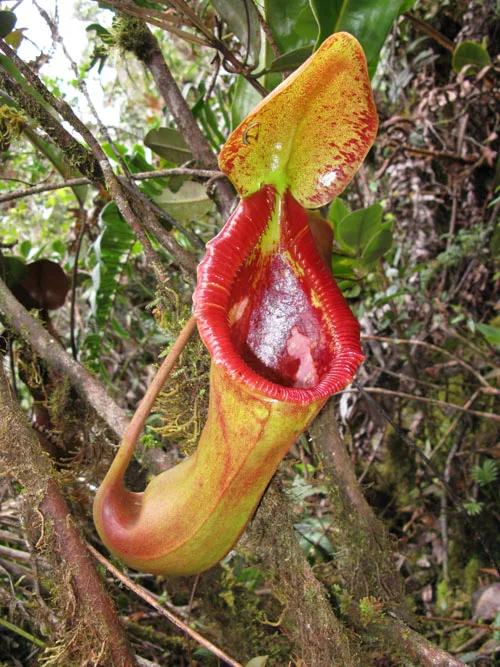
Pitcher Plant
Nepenthes
 Non-toxic to pets
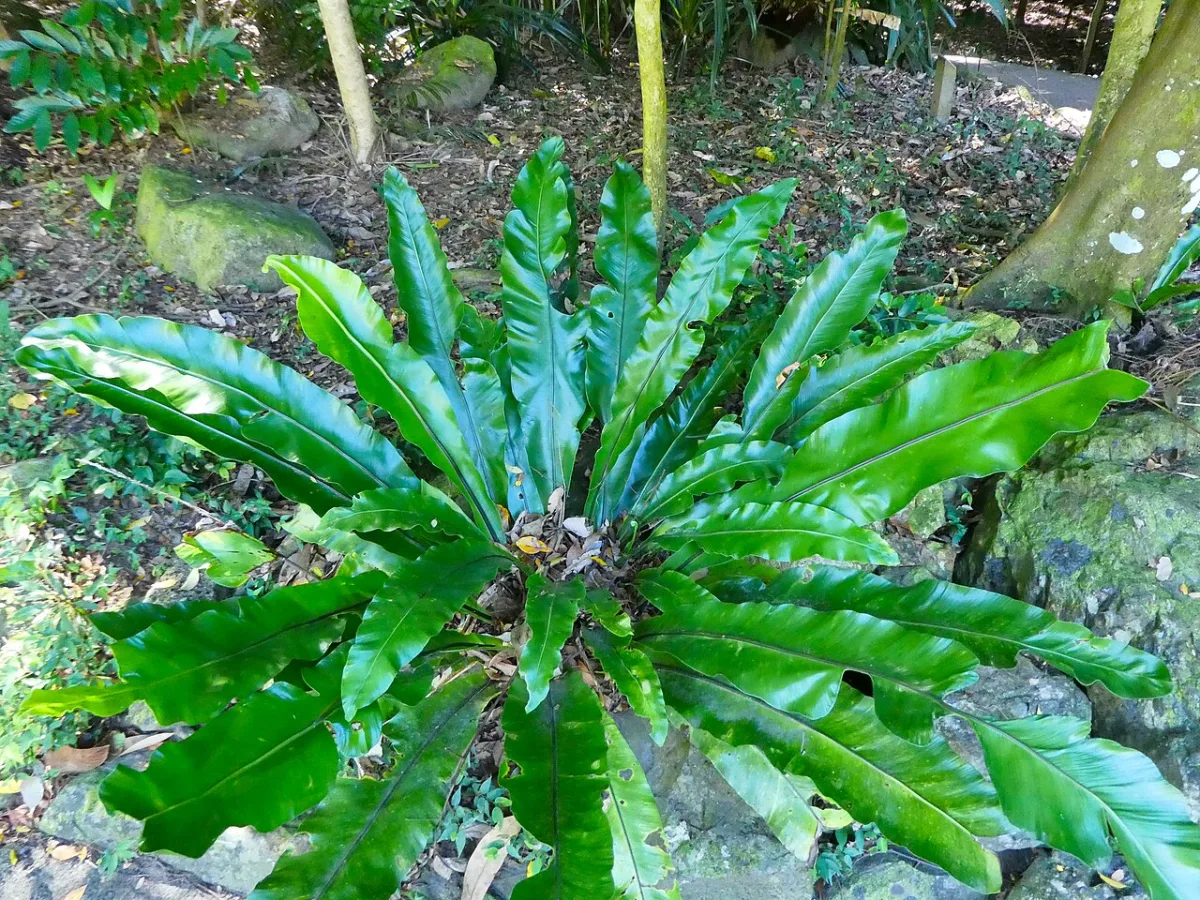
Bird's Nest Fern
Asplenium nidus

Monstera Thai Constellation
Monstera deliciosa Thai Constellation
Free care tools
Keep your Majesty Palm thriving.
Get a watering schedule for your conditions, or work out what's wrong when something looks off.