Tropical Plants
Fiddle Leaf Fig Bambino
Ficus lyrata Bambino
In short: Bright indirect light · medium water needs · toxic to cats and dogs (ASPCA)
All the Fiddle Leaf Fig charm in a compact, more forgiving package. Smaller leaves and bushier growth for tight spaces.
- Light
- Bright Indirect
- Water
- Medium
- Humidity
- Average
- Growth
- Medium
- Mature size
- 3-4 feet indoors
- Temperature
- 60–80°F (16–27°C)
Does not bloom indoors. Like all Ficus, it is grown entirely for its ornamental foliage.
Last updated
Overview
Fiddle Leaf Fig Bambino: The Compact FLF
Love the Fiddle Leaf Fig look but lack the space (or patience)? The Bambino variety delivers the same iconic leaf shape in a smaller, bushier, more manageable package.
Smaller and Easier
Bambino leaves are noticeably smaller than standard FLF leaves, and the plant naturally grows in a compact, bushy form rather than a tall tree. It is also slightly more forgiving than its full-size cousin.
Perfect for Small Spaces
- Compact bushy growth to 3-4 feet
- Smaller violin-shaped leaves
- Naturally branches without pruning
- Same design impact in less space
For apartments, offices, and anyone who wants the FLF aesthetic without committing to a 10-foot tree, Bambino is the answer.

Watering
Water when top 2 inches of soil are dry. Same watering principles as standard FLF — consistency is key. Use room-temperature water, water thoroughly until it drains. Establish a routine. Every 7-10 days in summer, every 10-14 days in winter.

Light
Bright indirect light — as much as possible without direct sun. South or east-facing window is ideal. Rotate monthly for even growth. Like all FLFs, it drops leaves in insufficient light. More light = more compact, bushy growth.

Soil
Well-draining mix with perlite. Same as standard Fiddle Leaf Fig. Fast drainage is essential. Use a pot with drainage holes — no exceptions.

Fertilizing
Monthly during spring and summer with FLF or ficus fertilizer. A balanced 3-1-2 ratio works well. Half strength. Stop in fall/winter.

Propagation
Stem cuttings with 1-2 leaves root in water or moist perlite. Similar to standard FLF but smaller cuttings. Air layering also works. Roots appear in 4-8 weeks.

Repotting
Every 2-3 years in spring. Move up one pot size. Does not grow as large as standard FLF, so repotting is less frequent. Fresh soil every 2 years keeps it healthy.

Common problems
Brown spots: Same as standard FLF — overwatering (dark spots) or underwatering (dry spots).
Leaf drop: Stress from moving, drafts, or inconsistent watering.
Leggy growth: Not enough light. Move to brighter spot.
Small new leaves: Needs more light or fertilizer.
Pro tips
Easier than standard: While still a Ficus, Bambino is slightly more tolerant of imperfect conditions.
Natural brancher: Unlike standard FLF that needs notching to branch, Bambino often branches naturally.
Tabletop to floor: Starts as a tabletop plant and eventually becomes a small floor plant — versatile placement.
FAQ
Fiddle Leaf Fig Bambino questions
Starter kit
Get set up for your Fiddle Leaf Fig Bambino
Untick anything you already have.
The basics

Extras for your Fiddle Leaf Fig Bambino
Was this helpful?
Your answer helps us improve this page.
Your answer didn't go through. Please try again.
Thanks for your feedback!
Plant hub
Everything about Fiddle Leaf Fig Bambino
Step-by-step guides


Similar plants
Plants like this one

Monstera Peru
Philodendron opacum
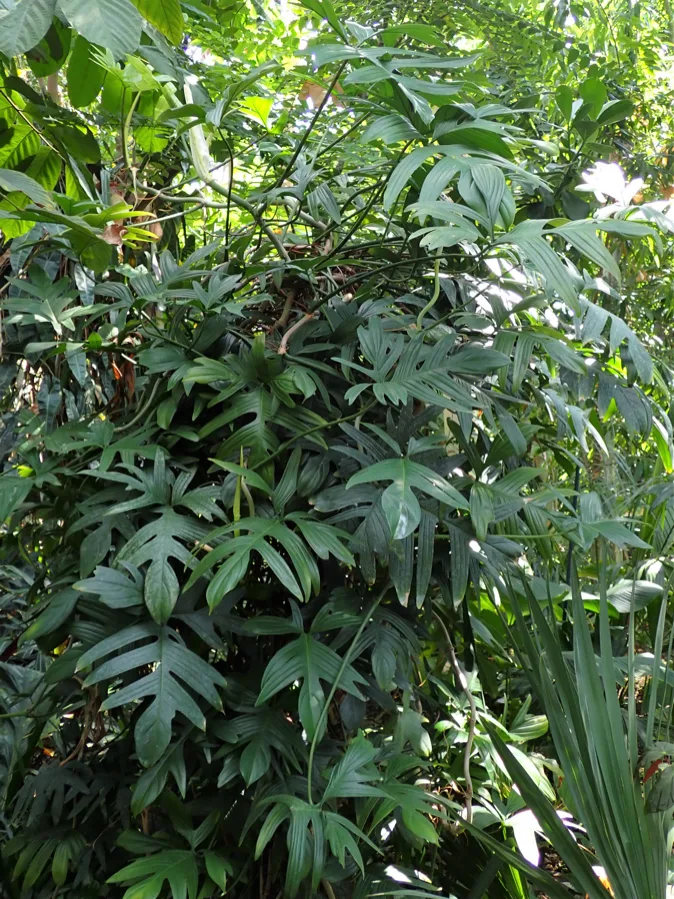
Philodendron Florida Ghost
Philodendron 'Florida Ghost'
 Non-toxic to pets
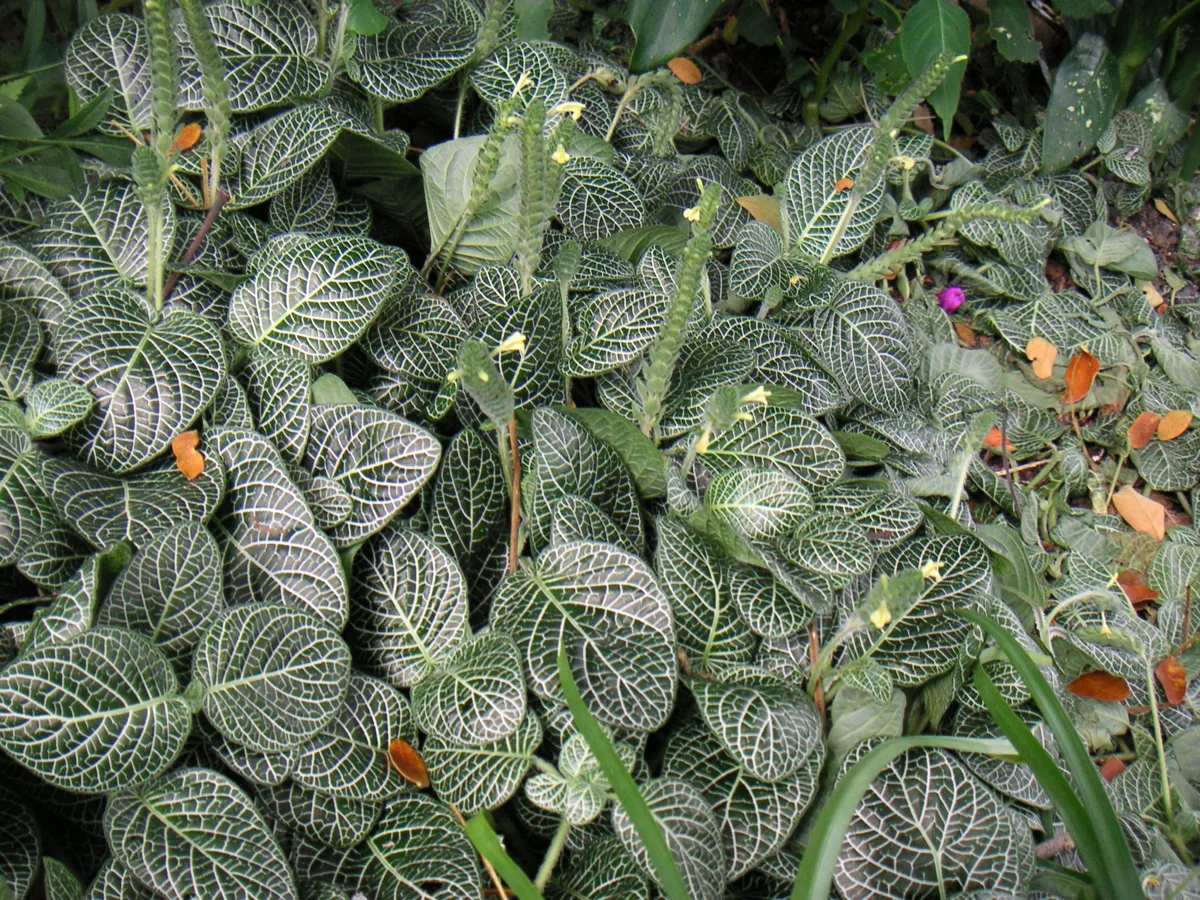
Nerve Plant
Fittonia albivenis
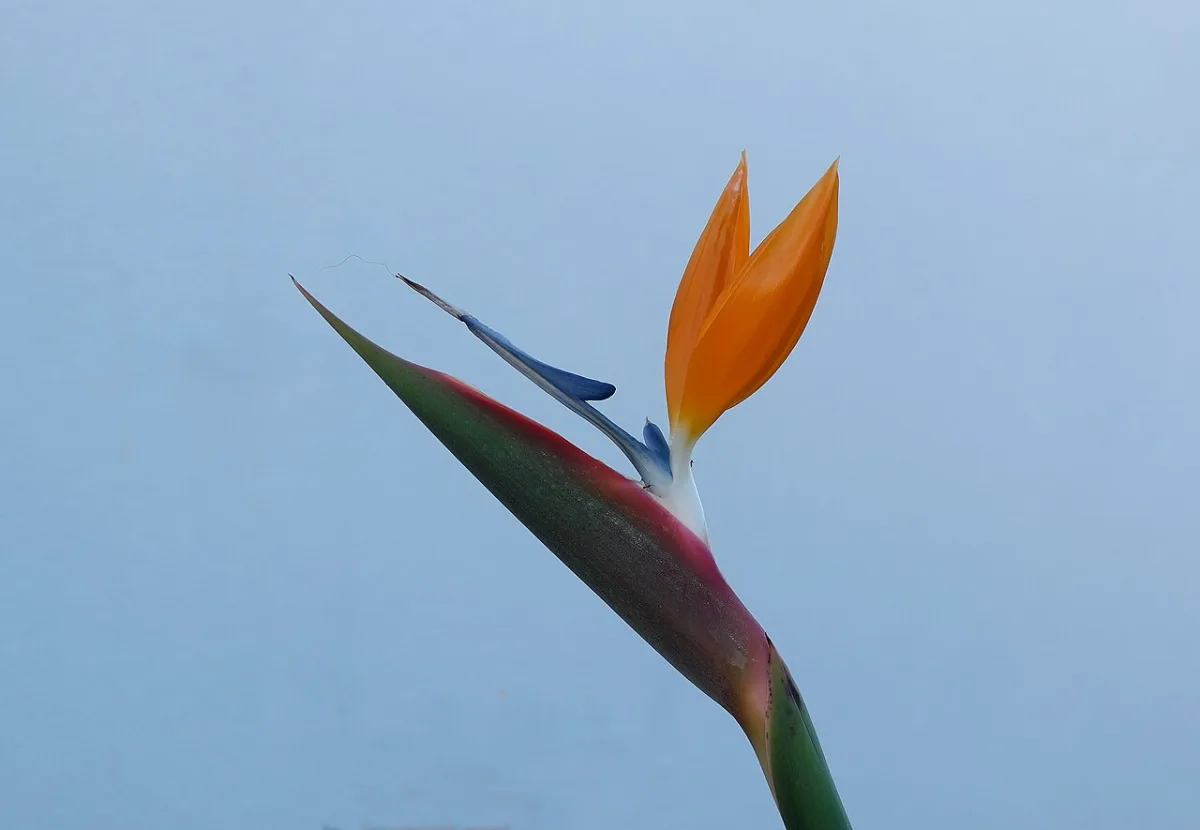
Bird of Paradise
Strelitzia reginae
Free care tools
Keep your Fiddle Leaf Fig Bambino thriving.
Get a watering schedule for your conditions, or work out what's wrong when something looks off.