Quick Summary
Misting raises humidity for about 10-15 minutes before it evaporates — not nearly long enough to help humidity-loving tropical plants. It can also promote fungal infections and bacterial leaf spot. Real humidity solutions include humidifiers (most effective), grouping plants together, pebble trays, and choosing naturally humid rooms. Misting IS useful for air plants, propagation stations, and cleaning leaves.
You have probably heard the advice: "Mist your tropical plants daily to keep them happy." It is one of the most repeated tips in the plant world, passed around on social media, in plant shop conversations, and in beginner guides. But does misting actually help your plants? The honest answer is: barely, and it might actually cause problems. Let us break down the science and find out what really works.
The Science of Humidity (Simplified)
To understand why misting falls short, it helps to understand what humidity actually is and why tropical plants need it.
Relative humidity (RH) is the percentage of moisture in the air compared to the maximum amount the air could hold at that temperature. Warm air holds more moisture than cold air — which is why winter indoor air feels so dry (your heating system warms the air but does not add moisture, so the relative humidity drops).
Most homes sit at 30-50% RH in normal conditions. In winter with heating running, indoor humidity can drop to 20-30% or even lower. Meanwhile, tropical plants evolved in environments with 60-90% humidity. That gap is what causes brown leaf tips, crispy edges, and curling on plants like Calathea, Ferns, and Alocasia.
The key word is sustained humidity. Tropical plants need consistently elevated moisture in the air around them — not brief spikes followed by a return to dry conditions.
What Misting Actually Does (And Does Not Do)
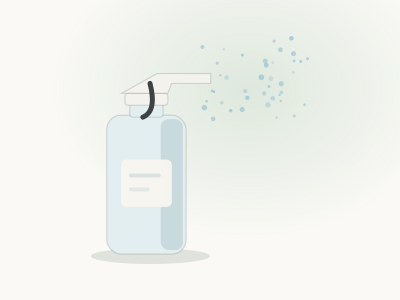
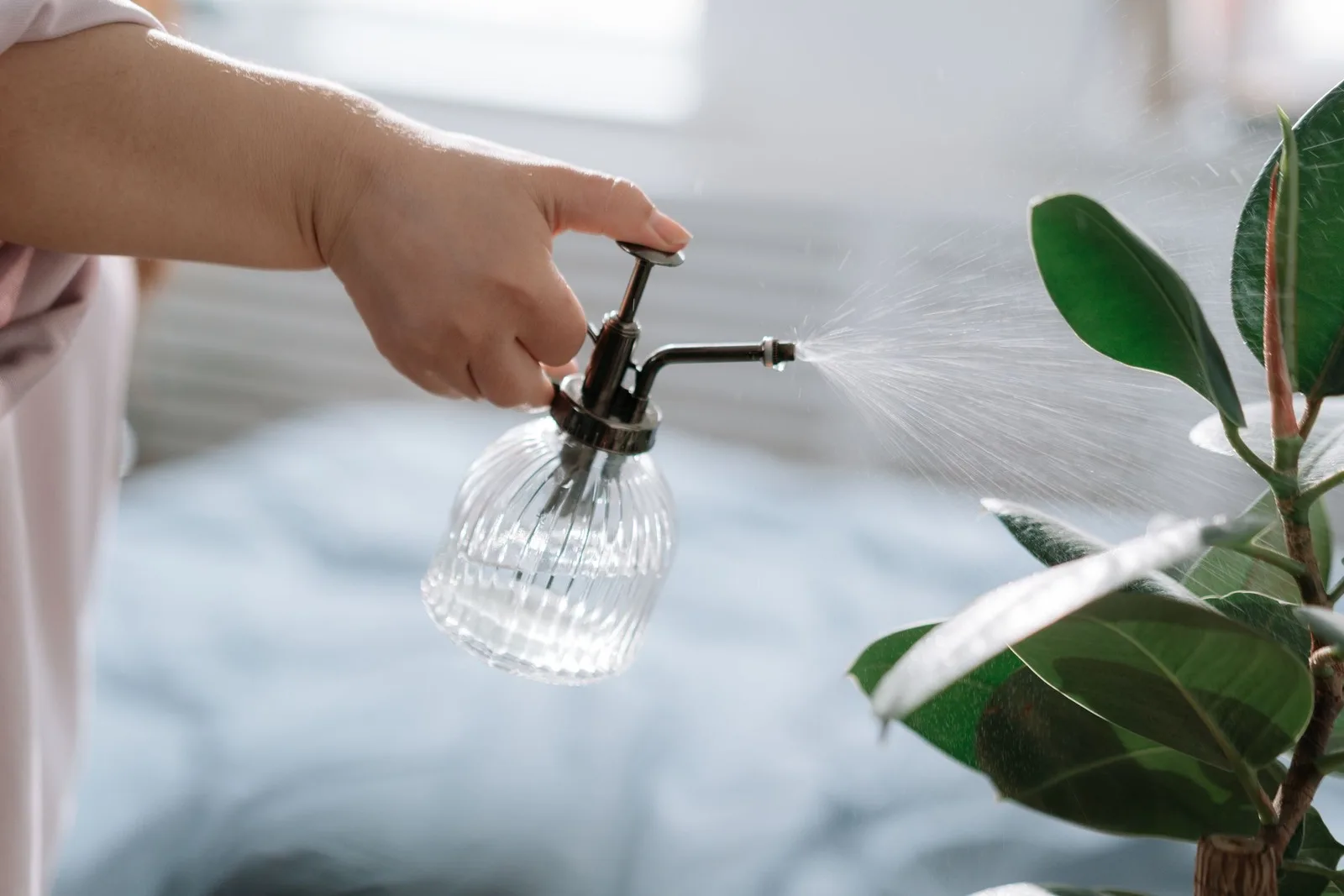
When you mist a plant, the water droplets on the leaves evaporate within minutes — typically 10-15 minutes in a normal room. This creates a tiny, temporary increase in humidity right around the plant. After evaporation, the humidity returns to whatever it was before.
Here is the math: a typical misting session puts about 10-30ml of water into the air around a plant. That water evaporates quickly into the much larger volume of room air, raising the local humidity slightly for those few minutes. Meanwhile, the plant needs 50-70% humidity sustained over hours.
For context, tropical plants like Calathea and Boston Ferns want sustained humidity of 50-70%. A few minutes of slightly elevated humidity a few times a day does not meaningfully move the needle. You would need to mist every 15 minutes, all day long, to maintain meaningfully elevated humidity — and at that point, you have created new problems.
Measuring Humidity: Know Your Numbers
Before worrying about solutions, know what you are working with. A digital hygrometer tells you the actual humidity level near your plants.
| Humidity Level | What It Means | Plant Impact |
|---|---|---|
| Below 20% | Very dry (winter with heating) | Severe stress on tropical plants. Brown tips, crispy edges, leaf curling. |
| 20-30% | Dry (typical heated indoor air) | Noticeable stress on humidity-loving plants. Tolerable for hardy plants. |
| 30-40% | Average home | Fine for most houseplants. Some tropicals may show minor stress. |
| 40-50% | Comfortable home | Good for most houseplants. Tropical plants do well here. |
| 50-60% | Ideal for tropicals | Most tropical houseplants thrive. Sweet spot for Calathea, Ferns. |
| 60-70% | High (near a humidifier or in a greenhouse) | Perfect for demanding tropicals. Watch for mold on surfaces. |
| 70%+ | Very high | Too high for most homes (mold risk on walls). Great for greenhouses. |
Pro Tip
Place a hygrometer near your plant cluster at plant level — not on the wall across the room. Humidity can vary significantly within the same room. The reading near your plants is what matters.
The Risks of Misting
Misting is not just ineffective for humidity — it can actually cause problems:
- Fungal infections. Water sitting on leaves creates a perfect environment for fungal spots and powdery mildew, especially on plants with dense foliage or in low-airflow areas. Fungal spores need moisture to germinate, and misting provides exactly that.
- Bacterial leaf spot. Some plants, particularly those with fuzzy leaves like African Violets and Begonias, can develop bacterial spots from persistent moisture on their leaves. The water droplets trap bacteria against the leaf surface.
- Crown rot. Water collecting in the crown (center) of rosette-forming plants can cause the growing point to rot. This is especially dangerous for plants like Orchids and Bromeliads.
- Water damage on furniture. Over-spraying gets water on walls, wood, and fabrics around your plants, potentially causing stains, warping, or mold.
- Mineral spots on leaves. If you use tap water, the minerals leave white spots on leaves after evaporation. These are cosmetic but unsightly, especially on dark-leaved plants.
- False sense of security. Misting makes you feel like you are helping when the actual humidity problem remains unsolved. The plant continues to suffer while you think you have addressed the issue.
Pro Tip
If you enjoy the ritual of misting and find it relaxing, go ahead — just know it is more for you than for the plant. Think of it like a spa spritz, not a humidity solution. And avoid misting plants with fuzzy leaves or plants prone to fungal issues.
Why Misting Does Not Work: The Evaporation Math
To really drive the point home, consider this simple calculation:
- A typical spray bottle delivers about 1-2ml per pump
- A thorough misting session uses maybe 10-30ml of water
- That water lands on leaves and the surrounding air
- In a room at 72°F and 35% RH, that water evaporates in 10-15 minutes
- The air in an average 12x12 room weighs about 170 pounds and can hold many gallons of water at full saturation
- Your 30ml (about 1 ounce) of misted water is literally a drop in a bucket
A humidifier, by contrast, can put out 200-500ml per hour continuously. That is the difference between a meaningful, sustained change and a brief, imperceptible blip.
What Actually Works for Humidity (Ranked by Effectiveness)
1. Humidifier (Most Effective)
This is the most effective solution by far. A small cool-mist humidifier near your tropical plants will maintain consistent humidity levels for hours. Run it for a few hours daily or invest in one with a built-in hygrometer that maintains a target humidity (usually 50-60%).
How effective: The only option here that adds moisture continuously. A well-placed humidifier with a humidistat can hold a target level (often 50-60% RH) in the area around your plants.
Best for: Calathea, Ferns (Boston, Maidenhair), Alocasia, Prayer Plants, Orchids, Anthuriums
Watch out for: White mineral dust from ultrasonic humidifiers (use distilled water to prevent this), or keep the humidifier clean to prevent mold and bacteria growth inside the tank.
2. Grouping Plants Together
Plants release moisture through transpiration — the process of water evaporating from leaf pores (stomata). Grouping several plants together creates a microclimate of higher humidity as each plant contributes moisture to the shared air. This is free and helps a little.
How effective: A modest local increase that depends on the number of plants and how closely they are grouped. Works best in a corner or against a wall where air circulation is limited.
Best for: Any plant collection. Combine humidity-loving tropicals together for maximum effect.
3. Pebble Trays
Fill a tray with pebbles and water, then set your plant on top (the pot should sit on the pebbles, not in the water). As the water evaporates, it raises humidity around the plant. Not as effective as a humidifier, but better than misting and completely passive.
How effective: A small, very local increase. More noticeable in small spaces and when multiple trays are used.
Best for: Supplementing other methods. Good for individual plants on shelves or windowsills.
4. Choosing the Right Room
Bathrooms and kitchens naturally have higher humidity from showers, baths, and cooking. If your humidity-loving plants are struggling in the living room, try moving them to a bright bathroom. Some plant enthusiasts turn their bathrooms into tropical plant rooms with stunning results.
How effective: Bathroom humidity rises sharply during and after showers and often stays somewhat higher than the rest of the house between them.
Best for: Ferns, Calathea, Air Plants, Orchids — any plant that craves moisture in the air.
5. Terrariums and Cloches
For small plants that need very high humidity, a closed or semi-closed glass container creates its own humid microclimate. A cloche (glass dome) over a plant traps transpired moisture and keeps humidity very high.
How effective: Very high humidity inside the enclosure. The most effective option for individual plants.
Best for: Fittonia (Nerve Plant), Maidenhair Fern, small tropical plants, propagation stations.
Humidity Solutions Ranked
| Method | Humidity Boost | Effort | Duration |
|---|---|---|---|
| Humidifier | Large | Refill tank daily | Continuous while running |
| Grouping plants | Small to moderate | None | Continuous (passive) |
| Bathroom placement | Moderate (varies) | None | Continuous (varies with showers) |
| Pebble trays | Small, very local | Refill weekly | Continuous while water evaporates |
| Terrarium / cloche | Very high (inside the enclosure) | Low | Continuous (enclosed) |
| Misting | Negligible | Multiple times daily | 10-15 minutes per session |
Humidity Needs by Plant Type
| Plant | Ideal Humidity | Minimum Tolerable | Symptoms of Low Humidity |
|---|---|---|---|
| Calathea / Maranta | 60-70% | 45% | Crispy brown leaf edges, curling, fading patterns |
| Boston Fern | 60-80% | 50% | Browning fronds, leaf drop, dried-out tips |
| Maidenhair Fern | 60-80% | 50% | Entire fronds drying up and turning brown |
| Alocasia | 50-70% | 40% | Crispy edges, spider mites (thrive in dry air) |
| Orchid (Phalaenopsis) | 50-70% | 40% | Bud blast, shriveled roots, stunted growth |
| Anthurium | 50-65% | 40% | Brown leaf tips, reduced flowering |
| Monstera | 40-60% | 35% | Minor browning at tips (generally tolerant) |
| Pothos | 40-60% | 25% | Very tolerant — rarely shows humidity stress |
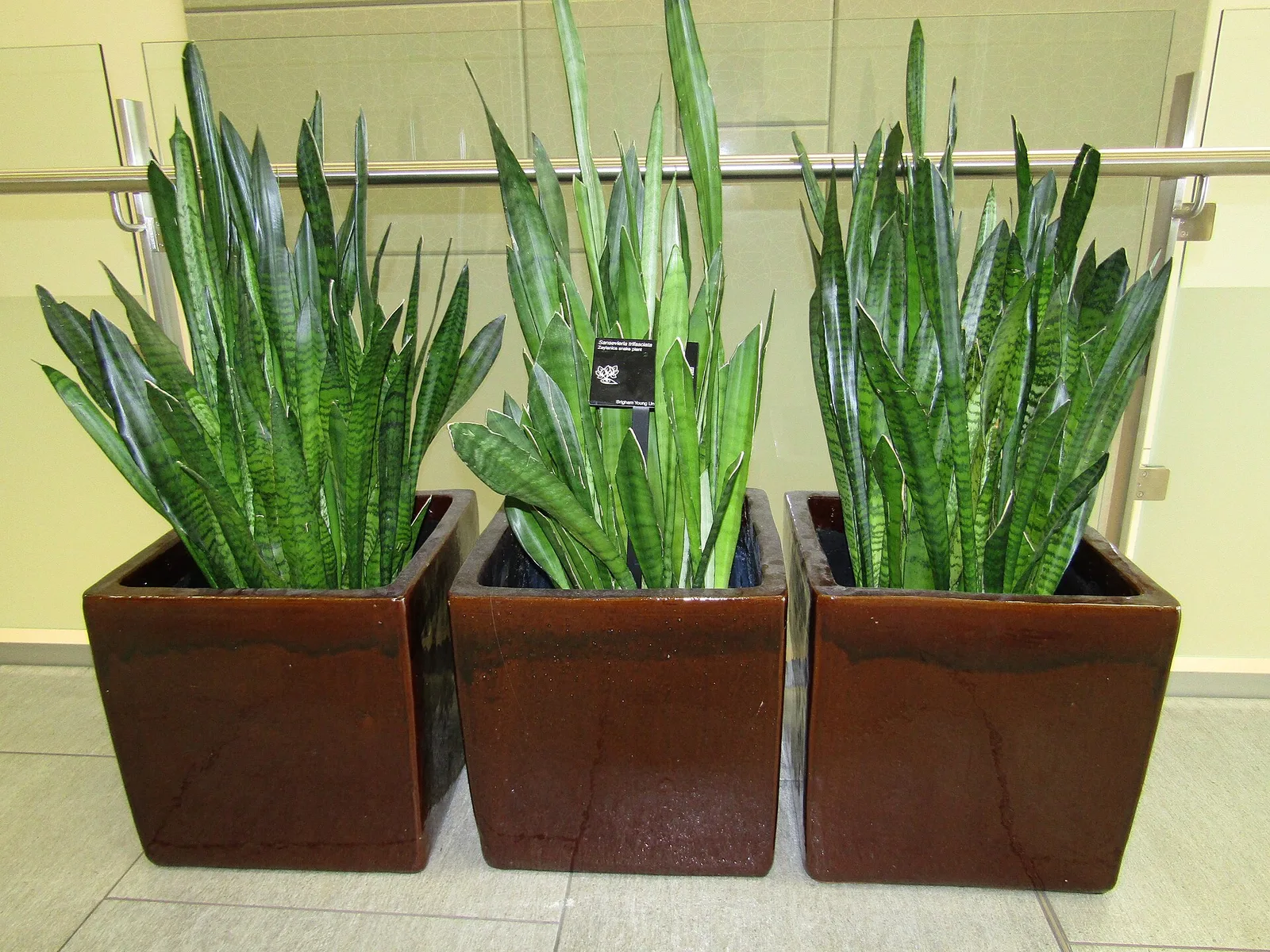
| Snake Plant | 30-50% | 20% | Essentially immune to low humidity |
| ZZ Plant | 30-50% | 20% | Essentially immune to low humidity |
| Succulents / Cacti | 20-40% | 10% | Actually prefer low humidity; high humidity causes rot |
When Misting Is Actually Useful
Despite everything above, there are a few legitimate situations where misting does help:
- Air plants (Tillandsia): These absorb water directly through their leaves (trichomes), so misting is an actual watering method for them, not a humidity trick. Mist air plants 2-3 times per week, or soak them for 20 minutes weekly.
- Propagation stations: Light misting around cuttings rooting in soil can help prevent the leaves from drying out while the cutting develops roots. This is short-term and targeted.
- Mounted plants (Orchids, Staghorn Ferns): Plants mounted on bark or boards without soil benefit from daily misting as it serves as their primary water source.
- Cleaning leaves: A quick mist followed by a wipe with a cloth is a great way to clean dusty leaves. Use this as a cleaning tool, not a humidity one.
- Freshly repotted plants: A light mist over the foliage immediately after repotting can reduce transplant stress for a few hours while the roots re-establish. This is a one-time thing, not a daily practice.
Pro Tip
If you already own a nice misting bottle and want to put it to good use, fill it with diluted neem oil (1 tsp neem oil + a drop of dish soap per liter of water) and use it for preventive pest control instead. Spraying leaves with diluted neem every 2 weeks keeps spider mites, mealybugs, and aphids away. Now your mister is actually doing something useful.
The Bottom Line
Misting is one of those plant care myths that refuses to die because it feels right — it is ritualistic, it looks like you are doing something, and the plants look temporarily refreshed with water droplets on their leaves. But the science is clear: for sustained humidity improvement, misting does not work.
If your tropical plants have brown, crispy edges from low humidity, invest in a humidifier. It is the most direct fix for humidity-loving plants. Pair it with a hygrometer so you know your actual levels, and your Calatheas and Ferns will thank you with lush, healthy growth.
Frequently Asked Questions
Will misting help my Calathea's brown tips?
No. Calathea brown tips are caused by sustained low humidity (below 45-50%), and misting provides only 10-15 minutes of slightly elevated humidity before evaporating. You need a humidifier, plant grouping, or a bathroom location to maintain the 50-60% humidity Calatheas need consistently.
Is it true that misting can cause mold on my plants?
Misting itself does not directly cause mold, but it creates conditions that promote it. Water sitting on leaves in a low-airflow area provides the moisture that fungal spores need to germinate and grow. If you do mist, do it in the morning so the water evaporates during the warmer daytime hours, and ensure decent air circulation around your plants.
What is the best humidifier for plants?
A cool-mist ultrasonic humidifier suits most plant collections. Look for one with at least a 2-liter tank (so you are not refilling constantly), an adjustable mist output, and ideally a built-in hygrometer or auto-shutoff. Use distilled water if possible to avoid white mineral dust on your plants and furniture. Run it for 4-8 hours daily near your plant cluster.
I mist my plants daily and they are fine. Does that mean it works?
If your plants look healthy, it likely means your ambient humidity is already adequate for them — not that the misting is making the difference. Many popular houseplants (Pothos, Philodendron, Monstera, Snake Plant) tolerate normal household humidity of 30-50% just fine without any supplementation. Your plants would probably look the same if you stopped misting. The real test is with demanding species like Calathea, Maidenhair Fern, or Alocasia in a dry environment — misting alone will not save those.