Watering your houseplants correctly is the single most important skill in plant care. It sounds simple — just add water, right? But more houseplants die from improper watering than any other cause. Overwatering alone kills more plants than pests, disease, and light problems combined. This guide will teach you the science behind plant watering, how to read your plants, and how to water every type of houseplant with confidence.
The Science of Plant Watering (Briefly)
Understanding why plants need water helps you water smarter:
- Transpiration: Plants absorb water through roots and release it as vapor through tiny pores (stomata) on their leaves. This process pulls more water up from the roots, creating a continuous flow that carries dissolved nutrients from soil to leaves.
- Turgor pressure: Water inside plant cells creates internal pressure that keeps stems upright and leaves firm. When a plant wilts, it has lost turgor pressure — the cells are deflated.
- Root oxygen: Roots need both water and air. When soil is waterlogged, air pockets disappear and roots suffocate. This is why overwatering causes root rot — the roots literally drown.
The goal of good watering is maintaining the right balance: enough moisture for the plant to function, enough air in the soil for roots to breathe.
The Golden Rule: Check Before You Water
Forget watering schedules. Your plant does not know what day it is. The same plant in the same pot might need water every 5 days in summer and every 14 days in winter. Instead, check the soil every time using one of these methods:
- The finger test. Stick your finger 1-2 inches into the soil. If it feels moist, wait. If it feels dry, water. This is free, instant, and surprisingly accurate once you get the feel for it.
- The weight test. Lift the pot. A dry pot feels noticeably lighter than a watered one. Over time, you will learn what "dry" and "wet" feel like for each pot. This works particularly well for plastic pots.
- Moisture meter. A moisture meter like the XLUX removes guesswork entirely. Insert the probe into the soil and read the dial. Most plants want watering when the meter reads 3-4 (on a 1-10 scale). Succulents should dry to 1-2. Ferns should stay at 5-6.
- Chopstick test. Insert a wooden chopstick into the soil and leave it for a few minutes. Pull it out — if it comes out clean and dry, the soil is dry. If it comes out with dark, moist soil clinging to it, wait before watering.
Pro Tip
Different plants want different levels of dryness before watering. Succulents should dry out completely. Tropical plants like Pothos and Philodendron prefer to dry out just the top inch or two. Ferns and Calatheas like to stay consistently moist but never soggy. Learn each plant individually.
How to Water Properly
When it is time to water, do it right:
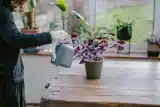
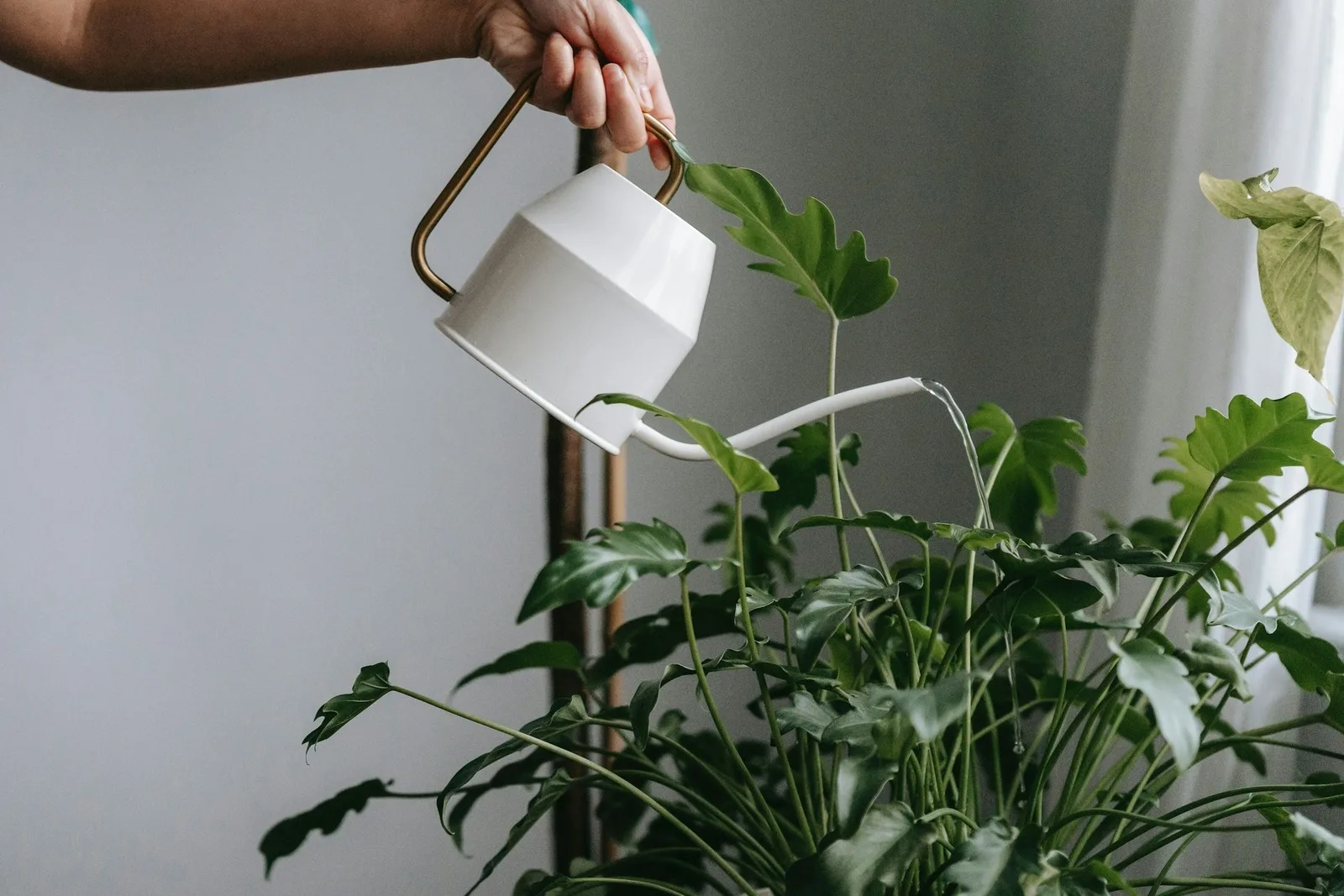
- Water thoroughly. Pour water slowly and evenly over the entire soil surface until it drains freely from the bottom holes. This ensures the entire root ball gets moisture, not just the top layer. Shallow watering encourages roots to stay near the surface instead of growing deep.
- Use room-temperature water. Cold water can shock tropical plant roots and temporarily halt growth. Let tap water sit for a few hours, or fill your watering can the night before.
- Water the soil, not the leaves. Wet leaves can promote fungal infections. For plants with dense rosettes (like African Violets and Bromeliads), water around the base or use bottom watering.
- Empty the saucer. After 15-30 minutes, dump any water sitting in the saucer. Roots sitting in standing water develop rot. This step is critical and frequently forgotten.
Water Quality: Tap vs Filtered vs Rain
Most houseplants do fine with regular tap water, but water quality matters more than many people realize:
Tap Water
Fine for the majority of houseplants. Contains chlorine (which evaporates if left out overnight) and minerals. The biggest concern is fluoride, which does not evaporate and accumulates in soil over time, causing brown leaf tips on sensitive plants.
Filtered Water
A basic carbon filter (like a Brita pitcher) removes chlorine and some impurities. This is the sweet spot for most plant parents — easy, affordable, and good enough for even sensitive plants.
Distilled Water
Pure H2O with no minerals. Required for carnivorous plants (Venus flytraps, sundews). Good for extremely sensitive plants but unnecessary for most. Lacks the trace minerals that some plants benefit from.
Rainwater
The gold standard for plants. Slightly acidic (which most houseplants prefer), contains dissolved nitrogen, and is free of chlorine and fluoride. If you can collect it, your plants will love it.
Which Plants Need Special Water?
| Plant | Water Sensitivity | Best Water Type |
|---|---|---|
| Calathea / Prayer Plant | Very sensitive to chlorine and fluoride | Filtered, distilled, or rainwater |
| Spider Plant | Fluoride causes brown tips | Filtered water |
| Dracaena | Sensitive to fluoride | Filtered water |
| Carnivorous Plants | Cannot tolerate any minerals | Distilled or rainwater only |
| Orchids | Prefer low-mineral water | Filtered or rainwater |
| Most other houseplants | Low sensitivity | Tap water is fine |
Watering Methods Compared
Top Watering
The standard method. Pour water on the soil surface until it drains from the bottom. Advantages: flushes out salt and mineral buildup, ensures even distribution, easy to do. Disadvantages: can disturb soil surface, water on leaves can cause spots. Best for most plants.
Bottom Watering
Set the pot in a tray of water (about 1-2 inches deep) and let the soil wick moisture upward for 15-30 minutes. Remove when the top of the soil feels moist. Advantages: keeps foliage dry (great for African Violets), reduces fungus gnat issues, promotes deeper root growth. Disadvantages: does not flush salts (do a top watering flush monthly), takes more time.
Ice Cube Watering
Popularized for orchids — placing a few ice cubes on the soil for slow, measured water release. The reality: some grower-funded research reportedly found it works fine for Phalaenopsis orchids without harming roots. However, it is not a precise method and underprovides water for most other plants. Stick to regular watering unless you have orchids.
Self-Watering Pots
These have a reservoir that plants draw from via a wick or porous barrier. Advantages: consistent moisture, great for travel, ideal for moisture-loving plants. Disadvantages: not suitable for plants that like to dry out (succulents, snake plants), can cause rot if not monitored. Best for Peace Lilies, ferns, herbs, and Calatheas.
Misting
Spraying leaves with water. Despite its popularity, misting does almost nothing for humidity — the moisture evaporates within minutes. It can actually promote fungal issues on leaves. If you want humidity, use a humidifier, pebble tray, or group plants together. Misting is only genuinely useful for air plants (Tillandsia) that absorb moisture through their leaves.
Overwatering vs Underwatering: Comparison Table
| Symptom | Overwatering | Underwatering |
|---|---|---|
| Leaves | Yellow, mushy, especially lower leaves | Dry, crispy edges and tips, curling inward |
| Stems | Soft, black, mushy at base | Dry, brittle |
| Soil | Stays wet for days, smells musty | Pulls away from pot edges, hard and compacted |
| Roots | Brown, mushy, smell of decay | Dry, shriveled, brown |
| Growth | Stunted, new leaves may be deformed | Slow or stopped, leaves drop |
| Pests | Fungus gnats, mold on soil surface | Spider mites thrive in dry conditions |
| Wilting | Yes — even though soil is wet | Yes — because soil is dry |
| Recovery | Harder — root rot may require repotting | Easier — usually bounces back after thorough watering |
Pro Tip
When in doubt, wait a day. Underwatering is almost always recoverable — a thorough soak brings most plants back within hours. Overwatering and the root rot it causes is much harder to fix and may require emergency repotting, root trimming, and weeks of recovery.
Seasonal Watering Calendar
| Season | Watering Frequency | Notes |
|---|---|---|
| Spring (March-May) | Increasing — check more often | Plants wake from dormancy, new growth increases water demand. Resume fertilizing. |
| Summer (June-August) | Most frequent | Active growth, higher temps, longer days. Some plants may need watering twice weekly. |
| Fall (September-November) | Decreasing — extend intervals | Growth slows, days shorten. Reduce watering and stop fertilizing by late fall. |
| Winter (December-February) | Least frequent | Many plants semi-dormant. Overwatering is the biggest winter risk. Indoor heating dries air but plants use less water. |
Watering Schedule by Plant Type
| Plant | When to Water | Approx. Frequency |
|---|---|---|
| Succulents and Cacti | When soil is completely dry to the bottom | Every 2-4 weeks |
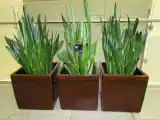
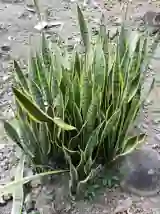
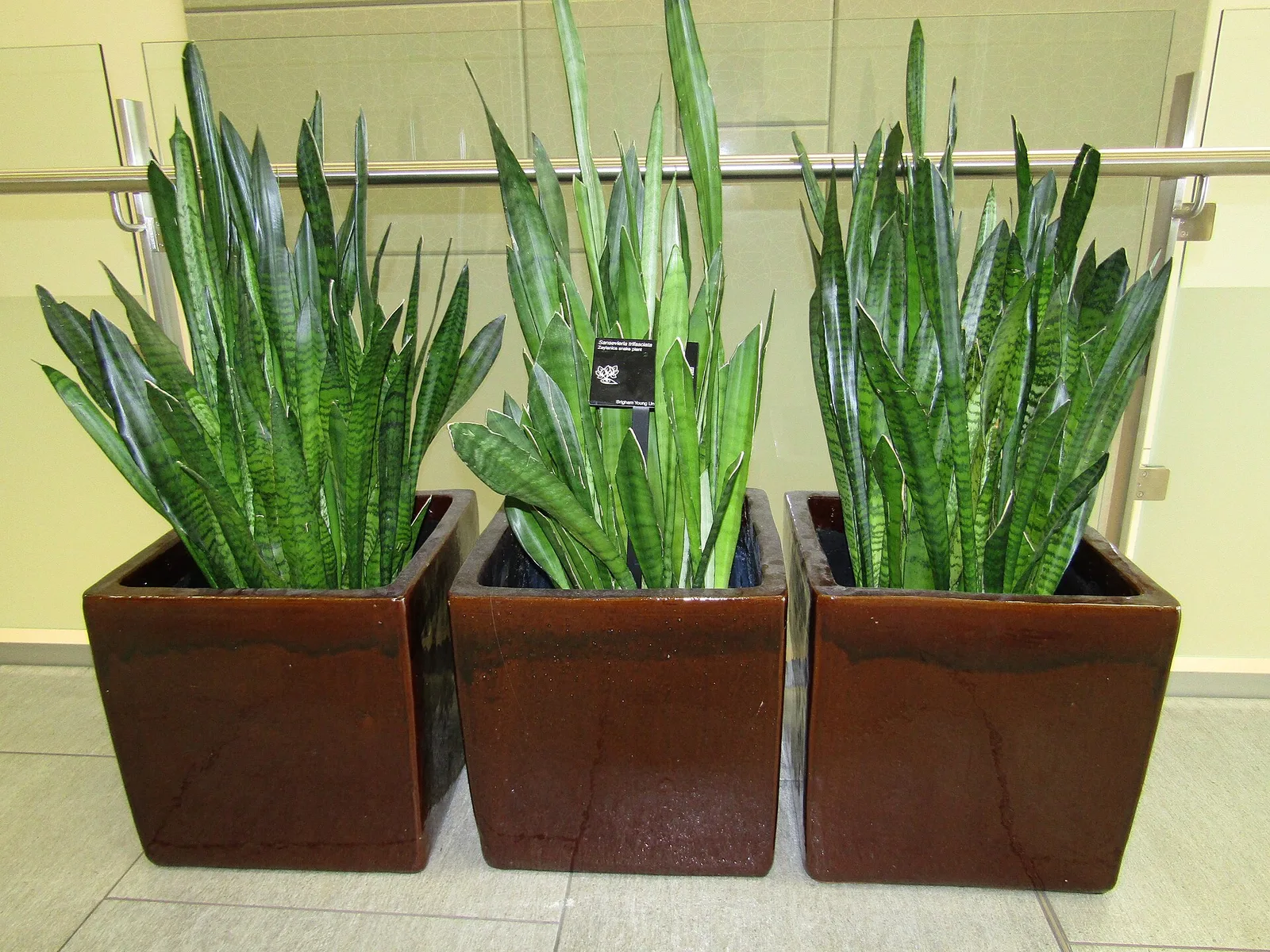
| Snake Plant | When soil is fully dry | Every 2-3 weeks |
| ZZ Plant | When soil is fully dry | Every 2-3 weeks |
| Pothos | When top 1-2 inches are dry | Every 7-10 days |
| Monstera | When top 1-2 inches are dry | Every 7-10 days |
| Philodendron | When top inch is dry | Every 7-10 days |
| Fiddle Leaf Fig | When top 2 inches are dry | Every 7-14 days |
| Peace Lily | When it starts to droop slightly | Every 5-7 days |
| Calathea | When top inch is dry — keep moist | Every 5-7 days |
| Boston Fern | Keep consistently moist | Every 3-5 days |
| Spider Plant | When top inch is dry | Every 7-10 days |
| Rubber Plant | When top 2 inches are dry | Every 7-14 days |
| Aloe Vera | When fully dry | Every 2-3 weeks |
| African Violet | When top feels dry — bottom water | Every 5-7 days |
Remember: these are estimates. Your specific conditions (light, humidity, pot type, soil) will shift the timing. Always check the soil rather than following a rigid schedule.
Factors That Affect Watering Frequency
| Factor | Effect on Watering |
|---|---|
| More light | Dries faster, water more often |
| Less light | Dries slower, water less often |
| Higher humidity | Dries slower |
| Lower humidity / heating | Dries faster |
| Terracotta pot | Dries faster (porous walls) |
| Plastic/ceramic pot | Dries slower (non-porous) |
| Larger pot | Holds more moisture, dries slower |
| Chunky soil (bark, perlite) | Dries faster, better aeration |
| Dense soil (peat-heavy) | Holds moisture longer |
| Growing season (spring/summer) | Plant uses more water |
| Dormant season (fall/winter) | Plant uses less water |
Common Watering Myths Debunked
- Myth: You should water on a strict schedule. Reality: Check the soil. Conditions change daily. A schedule only works as a loose reminder to check, not as an instruction to water.
- Myth: Misting replaces watering. Reality: Misting barely affects humidity and does nothing for roots. Water the soil, not the air.
- Myth: Rocks at the bottom improve drainage. Reality: They create a perched water table that keeps soil wetter. Just use a pot with holes and well-draining soil.
- Myth: Wilting always means underwatering. Reality: Overwatered plants wilt too — because rotting roots cannot absorb water. Always check the soil before assuming the plant is thirsty.
- Myth: You should water a little bit every day. Reality: Frequent small waterings keep only the top layer moist, encouraging shallow root growth. Water deeply but less often.
Watering Tools Worth Having
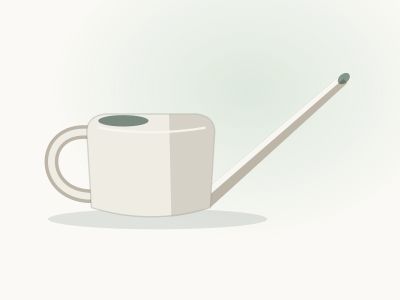
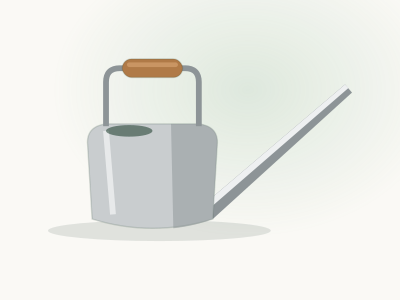
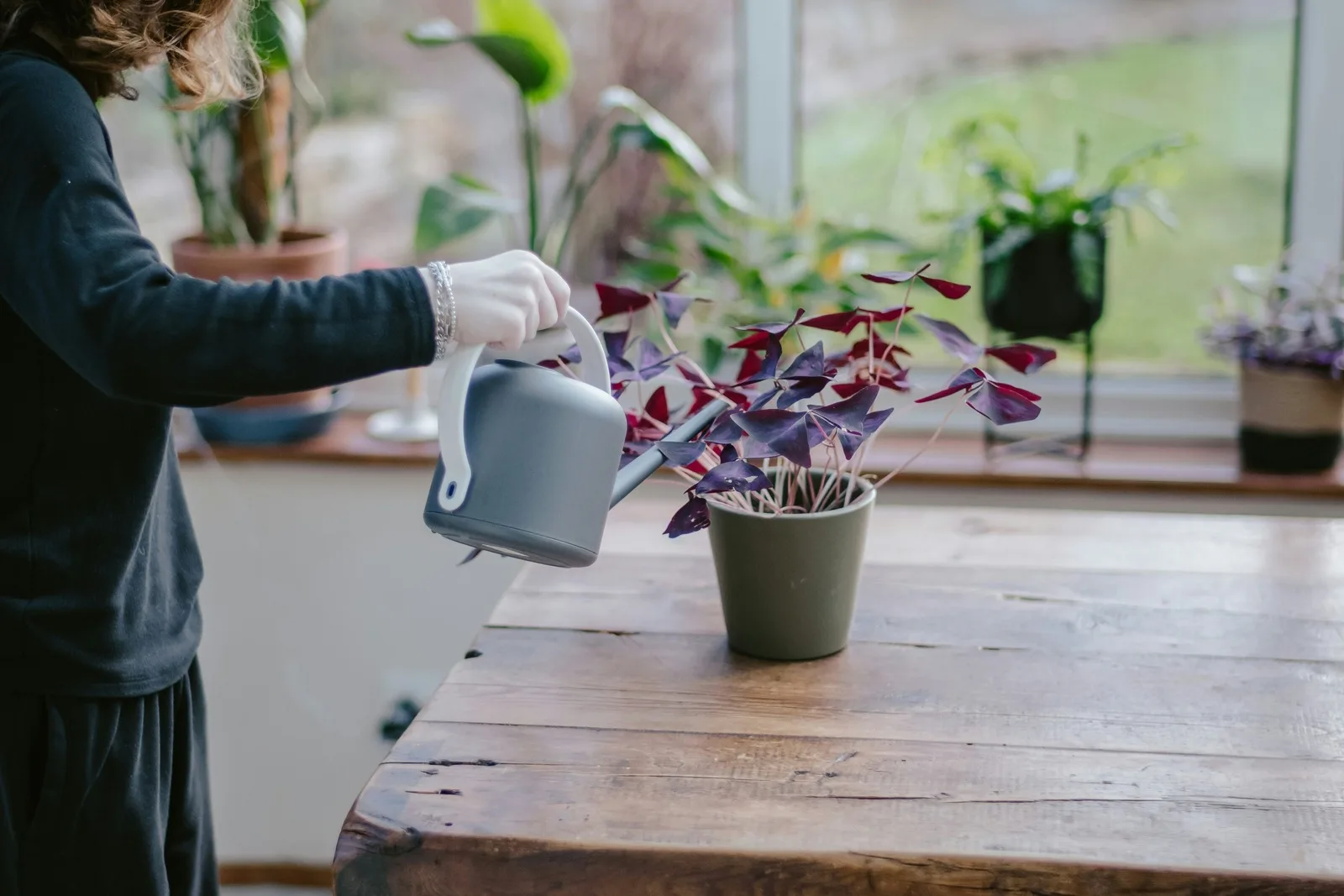
- A long-spout watering can: Allows precise watering at the soil level without splashing leaves.
- A moisture meter: A simple analog probe like the XLUX is enough. Insert, read, done. Removes most of the guessing.
- A squeeze bottle: Perfect for small pots, succulents, and terrariums where precision matters.
- A plant saucer set: Keep water off your furniture. Clear plastic saucers are cheap and functional.
- A misting bottle (limited use): Only truly useful for air plants. Skip it for everything else unless you are foliar feeding.
Pro Tip
If your soil has become hydrophobic (water beads on the surface and runs down the sides instead of soaking in), bottom water the plant by setting the pot in a tray of water for 20-30 minutes. The soil will slowly rehydrate from below. This often happens when peat-based soil dries out completely.
Frequently Asked Questions
How do I know if I am overwatering or underwatering?
Check the soil. If the soil is wet and the plant is drooping, you are overwatering. If the soil is dry and the plant is drooping, you are underwatering. The symptoms look similar but the cause (and fix) is opposite.
Is it better to water in the morning or evening?
Morning is slightly better — the plant has all day to use the water and any excess evaporates. Evening watering is fine too, but wet soil overnight in cool conditions can encourage fungal growth.
Can I use leftover cooking water for plants?
Unsalted water from boiling pasta, rice, or vegetables is actually great for plants — it contains small amounts of nutrients. Let it cool to room temperature first. Never use water with salt, oil, or seasonings.
My plant is in a pot without drainage — how do I water?
Very carefully. Add water in small amounts — about 1/4 to 1/3 of the pot volume. Use a moisture meter to check deep in the soil. Better yet, switch to a pot with drainage or use a cachepot setup.