Best Propagation Stations for Your Home (2026)
Quick Summary
- Propagation stations hold plant cuttings in water while roots develop — functional and decorative
- Glass bulb sets on wooden frames are the most popular style and work with any décor
- Wall-mounted versions save counter space and create a living gallery effect
- Change water every 5-7 days and keep away from direct sunlight to prevent algae
- Best plants for water propagation display: Pothos, Philodendron, Tradescantia, Begonia, Impatiens
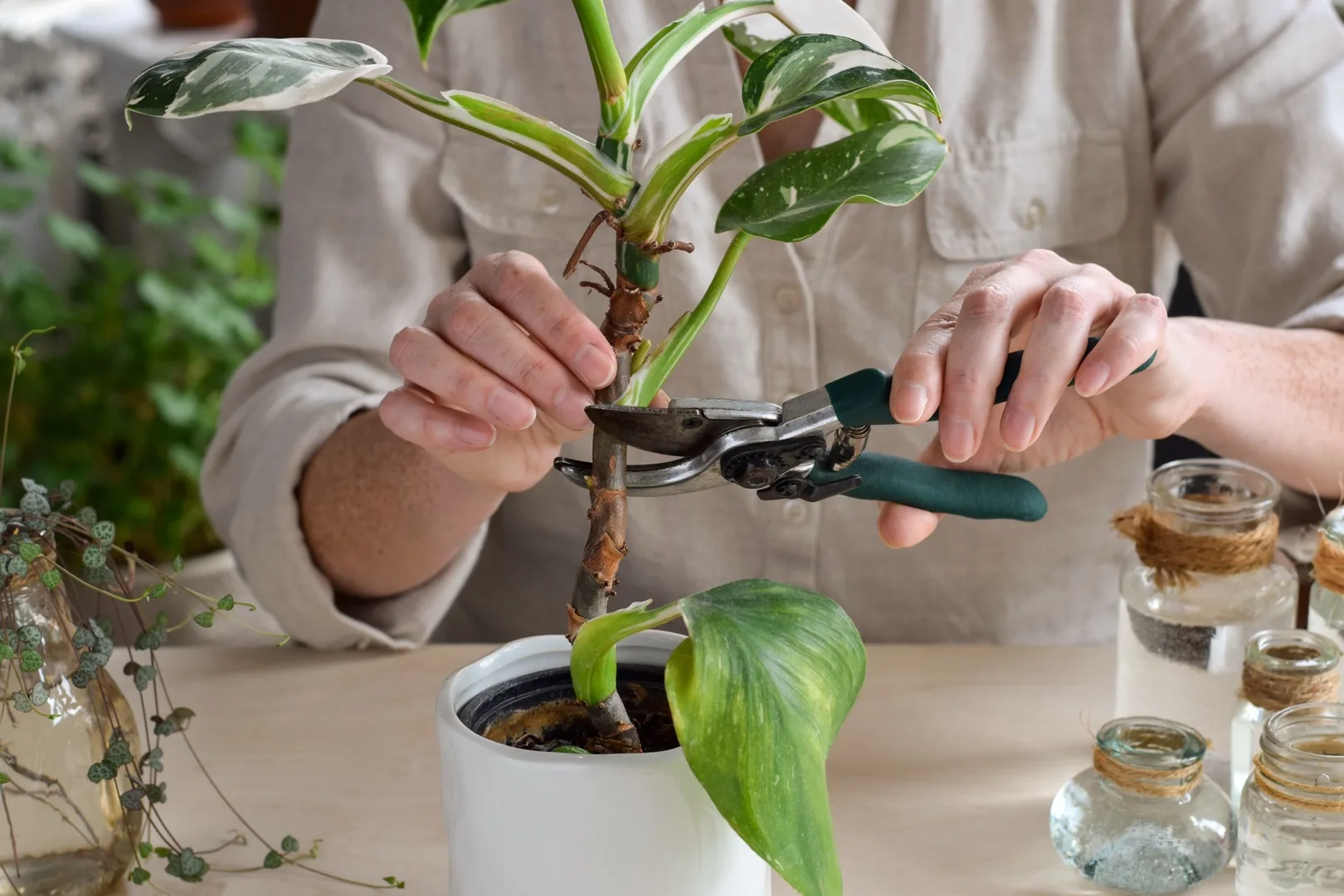
A propagation station is equal parts functional and decorative: it holds plant cuttings in water while roots develop, and it puts that slow, beautiful process on display. Watching roots emerge from a cutting over days and weeks is one of the most satisfying aspects of plant parenthood. The right propagation station turns your windowsill or shelf into a living art installation — and gives you a constant supply of free new plants to grow or give away.
What Is a Propagation Station?
At its most basic, a propagation station is any container that holds water and a cutting. A jam jar works. But dedicated propagation stations are designed to display multiple cuttings attractively — usually small glass vases or bulbs mounted in a wooden, metal, or ceramic frame. They come in tabletop versions (standalone frames), wall-mounted versions (hung like a picture), and hanging versions that dangle from shelves or curtain rods.
Why Use a Dedicated Propagation Station vs Random Jars?
- Aesthetics: A curated wooden frame with matching glass vials looks intentional rather than makeshift. It becomes a décor feature rather than clutter.
- Organization: Multiple cuttings in labeled slots help you track what is what, especially when propagating multiple species simultaneously.
- Stability: Random jars tip over. Mounted or framed stations keep everything stable, even near windows where they might catch a breeze.
- Gift appeal: Propagation stations are among the most popular plant-related gifts — functional, beautiful, and a gateway to the hobby for non-plant people.
Top 8 Propagation Stations for 2026
| Rank | Product | Capacity | Style | Price |
|---|---|---|---|---|
| 1 | NCYP Wood Stand with 5 Glass Vases | 5 vials | Desktop, walnut frame | ~$30 |
| 2 | Mkono Wall Hanging Propagation Station | 4 vials | Wall-mounted, wood + glass | ~$25 |
| 3 | IVOLADOR Macrame Propagation Hanger | 2 vials | Hanging, bohemian | ~$15 |
| 4 | LITBEAR Test Tube Propagation Set | 6 test tubes | Desktop, minimalist | ~$22 |
| 5 | Umbra Trigg Wall Shelf with Vases | 3 vials | Wall-mounted, modern | ~$40 |
| 6 | Ceramic Bud Vase Set (various brands) | 3–5 vials | Desktop, artisan | ~$35–$55 |
| 7 | COCODE Propagation Station Tower | 9 bulbs | Desktop tower, glass + wood | ~$35 |
| 8 | DIY Reclaimed Wood Frame | Custom | Customizable | $5–$15 in materials |
Glass vs Ceramic vs Wooden Frames
Glass Vials / Bulbs
Clear glass is the classic choice for propagation — you can see root development as it happens, which is visually rewarding and practically useful (you can tell exactly when roots are long enough for potting up). Dark or tinted glass slows algae growth but sacrifices the root visibility that makes propagation stations so engaging. The sweet spot is clear or lightly tinted glass paired with regular water changes.
Ceramic Vases
Opaque ceramic vials keep water dark, which significantly reduces algae growth and means you need to change water less frequently. The trade-off is that you cannot see root development — you have to carefully extract the cutting to check progress. Ceramic stations tend to look more refined and art-object-like, making them a strong choice for living rooms and home offices where aesthetics take priority over practicality.
Wooden Frames
Walnut, bamboo, and pine frames provide the warm, natural base that makes propagation stations feel like furniture rather than lab equipment. Most quality stations use water-resistant finish on wood that contacts the vials — check for this if you are buying. Frames that sit in standing water will rot over time.
Desktop vs Wall-Mounted: Which Is Right for You?
Desktop stations are easier to move, refill, and rearrange. They suit renters who cannot put holes in walls and people who frequently rotate their propagation selections. Best for: windowsills, desks, kitchen counters near a sink.
Wall-mounted stations save precious counter space and create a visual installation effect — a framed arrangement of rooting cuttings on a bright wall is genuinely beautiful. Best for: bright walls near windows, living rooms, plant shelfie spots. Install with proper anchors rated for the weight (most stations are 2-5 lbs when filled).
Pro Tip
Add a single drop of liquid fertilizer to the propagation water once roots appear. This gives the developing plant a small nutrient boost and accelerates root growth before potting up. Do not add fertilizer before roots appear — it can encourage bacterial growth instead of root development.
What to Propagate: Easiest Cuttings for Display
- Pothos: Take a 4-6 inch cutting below a node. Roots appear within 7-14 days. A Pothos cutting is the fastest-rooting, most reliable propagation for display.
- Heartleaf Philodendron: Same method as Pothos. Roots in 10-14 days. Beautiful heart-shaped leaves look great in clear glass.
- Tradescantia (Spiderwort): Drop a stem cutting directly into water with no preparation. Roots within a week. The purple-and-green striped stems look stunning in glass vials.
- Begonia: Stem cuttings root in water in 2-3 weeks. Multiple species work well — wax begonias, angel wing, and rex begonias all propagate readily.
- Impatiens: Fast rooters in water — 7-10 days. Bring stems indoors from outdoor plants in fall to overwinter as cuttings.
- Coleus: One of the fastest water rooters. Brilliant foliage colors make for a visually striking propagation display.
- Mint: Grocery store mint stems root in water in 5-7 days. The most practical propagation for herb lovers.
Care Tips for Water Cuttings
- Change water every 5-7 days to prevent bacterial and algae buildup. Slimy water and green-coated glass are signs you need to clean and refresh.
- Keep out of direct sunlight. Direct sun heats the water and feeds algae exponentially. Bright indirect light is ideal — enough for the cutting to photosynthesize, not enough to cook the roots.
- Clean the vials between uses. A bottle brush and diluted white vinegar dissolve mineral deposits and algae residue between batches of cuttings.
- Remove any leaves submerged in water. Submerged leaves rot quickly, fouling the water. Only the bare stem should be underwater; leaves should be above the waterline.
- Pot up when roots reach 2-3 inches. Very long water roots can become fragile and transition poorly to soil. Pot up once roots are visible and at least 2 inches long.
DIY Propagation Station Ideas
Making your own propagation station is a satisfying weekend project. Some popular approaches: drill small holes in a reclaimed piece of driftwood or barn wood and insert test tubes or bud vases. Mount a small wooden ledge on the wall and line it with matching bud vases. Repurpose a vintage bottle rack by inserting small clear bottles. Frame a piece of pegboard and hang small mason jars from hooks. The material cost for a DIY station is typically $5-$20, compared to $20-$50 for store-bought versions.
Frequently Asked Questions
How long can cuttings stay in water before potting?
Most cuttings can remain in water indefinitely if you change it regularly and add occasional nutrients. Some plant parents grow Pothos and Philodendron permanently in water (hydroponics). For plants destined for soil, pot up once roots are 2-3 inches to make the soil transition easier.
Why are my propagation cuttings not rooting?
Most common causes: the cutting has no node (roots only grow from nodes — the small bump or joint on the stem where leaves attach), the water is too cold (roots develop faster in warm conditions above 65°F), or the cutting is rotting rather than rooting (usually from submerged leaves or stale water).
Can I propagate succulents in water?
Most succulents propagate better in dry or slightly moist soil rather than water. Water propagation works for a few succulent types like Echeveria, but the success rate is lower and rot is more likely. Stick to soil propagation for succulents and save water propagation for tropical houseplants.
Written by
Plant Care Club
The Plant Care Club team combines years of hands-on plant parenting with science-based research to create guides you can actually trust. We test, we grow, we learn — so you can too.
94 articles published
Was this helpful?
Thanks for your feedback!
Related Articles
 Plant Styling
Best Indoor Herb Garden Kits for 2026 (Tested & Ranked)
AeroGarden, Click & Grow, Gardyn, and five more indoor herb garden kits reviewed and ranked for 2026. Find the best kit for your kitchen and budget.
 Plant Styling
7 Best Plant Identification Apps for 2026 (Free & Paid)
PictureThis, Greg, Planta, and four more plant apps put to the test in 2026. Which one actually identifies plants accurately and helps you keep them alive?
 Plant Care Tips
How to Propagate Monstera: Stem Cuttings and Air Layering
Learn how to propagate Monstera deliciosa with stem cuttings and air layering. Includes node identification and a complete rooting timeline.