Tropical Plants
Swiss Cheese Vine
Monstera adansonii
In short: Bright indirect light · medium water needs · toxic to pets
Delicate trailing vines covered in perforated leaves. A faster, more compact cousin of the classic Monstera deliciosa.
- Light
- Bright Indirect
- Water
- Medium
- Humidity
- Average
- Growth
- Fast
- Mature size
- Trails or climbs 5-8 feet
- Temperature
- 60–85°F (16–29°C)
Very rarely flowers indoors. In the wild, produces a spadix similar to Monstera deliciosa. Grown entirely for the striking perforated foliage.
Last updated
Overview
Swiss Cheese Vine: Monstera's Trailing Cousin
Monstera adansonii features smaller, more delicate leaves than its famous cousin, but with even more dramatic holes (fenestrations). The result is a lacy, perforated look that is absolutely gorgeous trailing from a shelf or climbing a support.
Versatile Grower
Unlike the upright Monstera deliciosa, the adansonii naturally trails and climbs. It grows quickly, filling hanging baskets and climbing moss poles with equal enthusiasm.
Growing Options
- Trailing: Cascades beautifully from shelves and hanging planters
- Climbing: Produces larger leaves when climbing a moss pole
- Full form: Narrow and wide-form leaf varieties exist
Easier to grow and manage than Monstera deliciosa, the Swiss Cheese Vine is perfect for those who love the Monstera look but have less space.
Watering
Water when top inch of soil is dry. Likes consistent moisture — slightly more water-hungry than Monstera deliciosa. Weekly in summer, every 10-14 days in winter. Do not let soil dry out completely or leaf edges will brown.

Light
Bright, indirect light for best growth and largest fenestrations. Tolerates medium light but grows slower with fewer holes. Avoid direct sun which burns the thin leaves. East or north-facing window is ideal.

Soil
Chunky, well-draining mix similar to Monstera deliciosa. Potting soil, perlite, and orchid bark. Needs good aeration around roots while retaining some moisture.

Fertilizing
Feed monthly during growing season with balanced liquid fertilizer at half strength. Fast grower that benefits from regular feeding. Stop in winter.

Propagation
Extremely easy from stem cuttings. Cut below a node, place in water, and roots appear within 1-2 weeks. Can also root directly in moist sphagnum moss or perlite. One of the easiest tropicals to propagate.

Repotting
Annually in spring for fast-growing specimens. Use a pot 1-2 inches larger. Install a moss pole or trellis at repotting time if growing as a climber.
Common problems
Yellow leaves: Overwatering — let top inch dry first.
Brown crispy edges: Low humidity or underwatering.
Small leaves without holes: Not enough light. Move brighter or add a support pole.
Leggy vines: Prune for fullness. More light produces more compact growth.
Pro tips
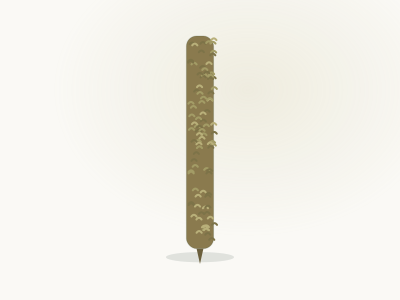
Climbing = bigger leaves: Give it a moss pole and leaves grow significantly larger with more fenestrations.
Prune for fullness: Trim long vines and propagate the cuttings back into the pot for a bushier plant.
Humidity boost: While adaptable, 50%+ humidity produces the lushest growth.

FAQ
Swiss Cheese Vine questions
Starter kit
Get set up for your Swiss Cheese Vine
Untick anything you already have.
The basics


Extras for your Swiss Cheese Vine
Was this helpful?
Your answer helps us improve this page.
Your answer didn't go through. Please try again.
Thanks for your feedback!
Plant hub
Everything about Swiss Cheese Vine

Similar plants
Plants like this one
 Non-toxic to pets
Majesty Palm
Ravenea rivularis
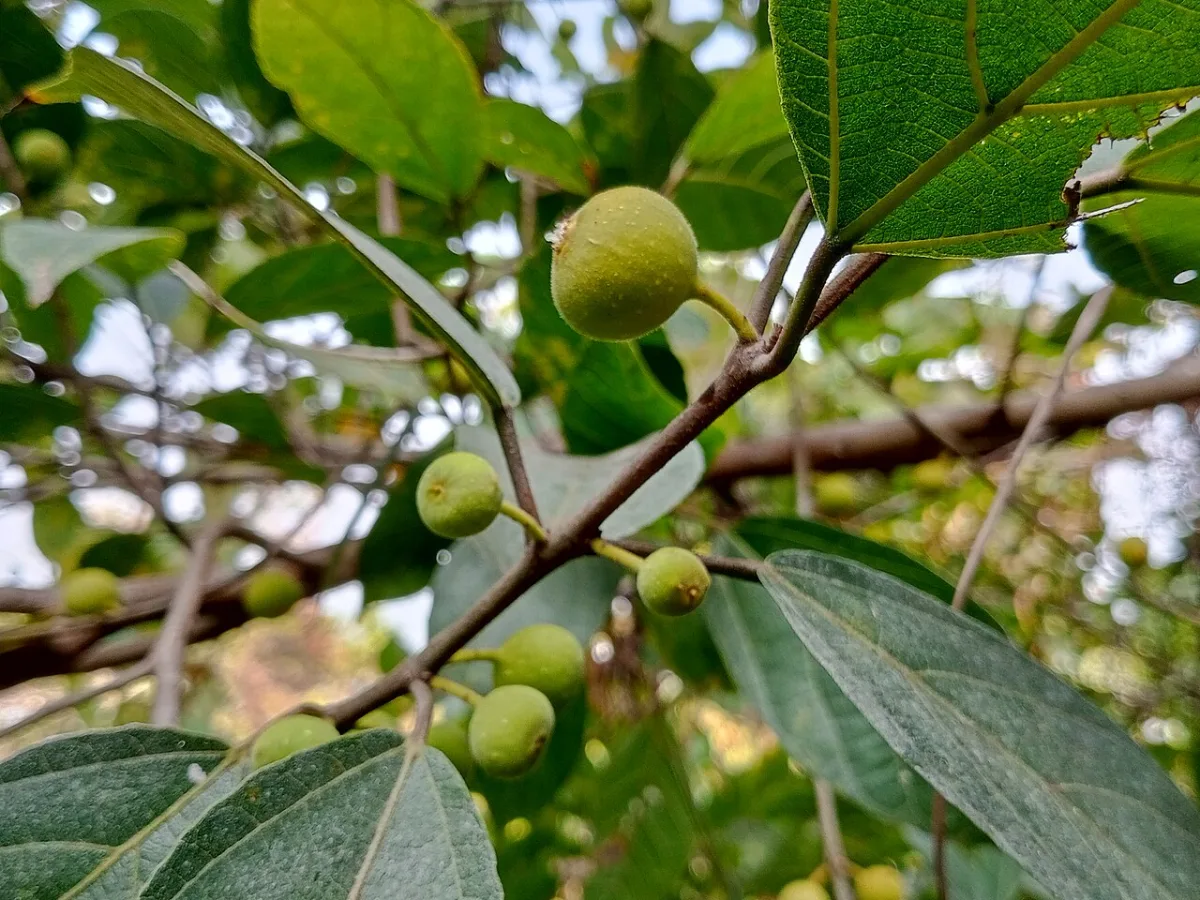
Fiddle Leaf Fig Bambino
Ficus lyrata Bambino
 Non-toxic to pets
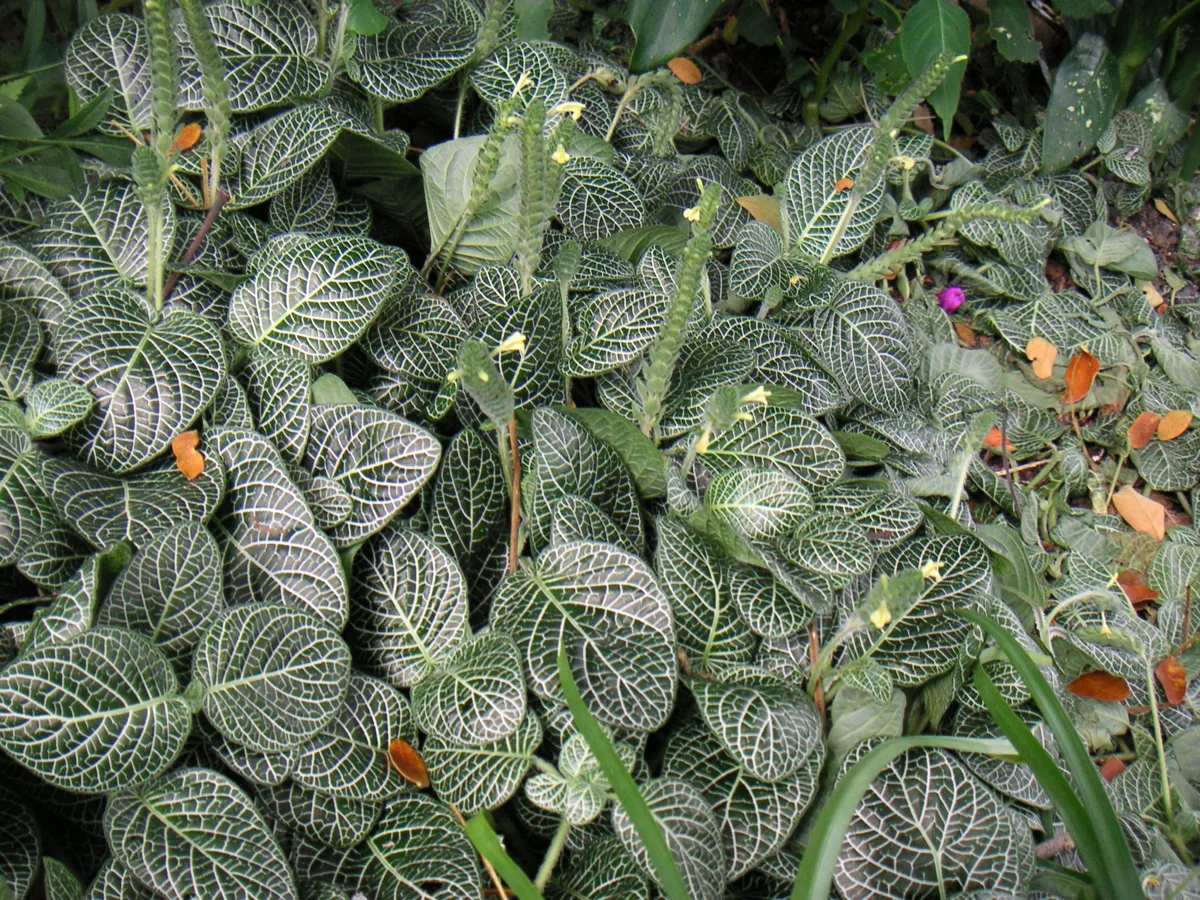
Nerve Plant
Fittonia albivenis
 Non-toxic to pets
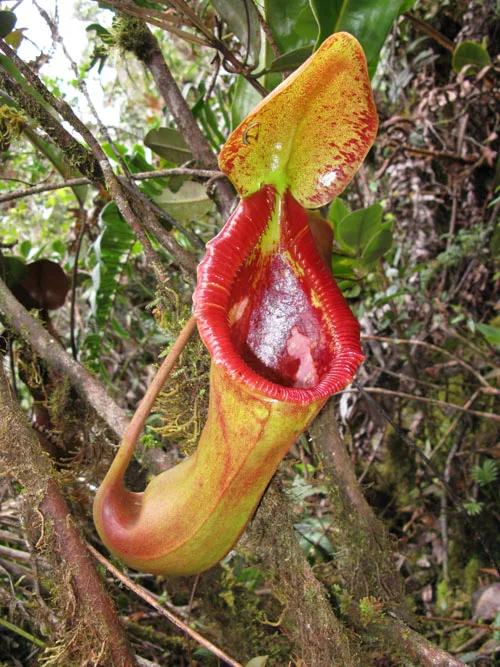
Pitcher Plant
Nepenthes
Free care tools
Keep your Swiss Cheese Vine thriving.
Get a watering schedule for your conditions, or work out what's wrong when something looks off.