Tropical Plants
Pitcher Plant
Nepenthes
In short: Bright indirect light · high water needs · not on the ASPCA plant list
A fascinating carnivorous plant with elegant pitcher-shaped traps that catches insects naturally — nature's most stylish pest control.
- Light
- Bright Indirect
- Water
- High
- Humidity
- High
- Growth
- Moderate
- Mature size
- 1-3 feet indoors
- Temperature
- 55–85°F (13–29°C)
Nepenthes can produce small flower spikes, but they are unremarkable. Most growers trim flower stalks to redirect energy toward pitcher production.
Last updated
Overview
Meet the Pitcher Plant: Nature's Elegant Insect Trap
Nepenthes pitcher plants are among the most captivating houseplants you can grow. Their modified leaves form elegant, jug-shaped traps that lure, capture, and digest insects — all while looking absolutely stunning.
How the Pitchers Work
Each pitcher produces nectar along its rim to attract insects. The waxy interior causes bugs to slip and fall into digestive fluid at the bottom. It's a slow, fascinating process that makes this plant a living conversation piece.
Surprisingly Easy Carnivore
Unlike Venus flytraps, Nepenthes are quite forgiving. They don't require dormancy periods and thrive in typical household conditions. Many varieties are perfect for hanging baskets, where their pitchers dangle gracefully.
Varieties to Try
- N. ventrata: A popular beginner Nepenthes — very forgiving
- N. alata: Produces abundant pitchers with lovely mottling
- N. maxima: Larger pitchers with dramatic coloring

Watering
Keep soil consistently moist but never waterlogged. Use distilled water, rainwater, or reverse osmosis water only — tap water minerals damage roots over time. Water frequently, especially in warm months. Mist pitchers lightly to maintain moisture inside them.
Light
Bright indirect light with a few hours of gentle morning sun is ideal. A south or east-facing window with a sheer curtain works well. Too little light and the plant stops producing pitchers. Too much harsh sun scorches the delicate traps.
Soil
Use a nutrient-free mix like long-fiber sphagnum moss, or a blend of peat and perlite. Never use regular potting soil — the nutrients and fertilizers will burn carnivorous plant roots. The medium should stay airy and moisture-retentive.
Fertilizing
Never fertilize through the soil. If you want to feed, drop a small dried insect or fish food pellet into a mature pitcher once a month. The plant gets its nutrients from digesting prey. Soil fertilizer is fatal.
Propagation
Propagate from stem cuttings with at least two nodes. Place in damp sphagnum moss under high humidity. A clear plastic bag or propagation box works well. Cuttings root in 6-8 weeks. Be patient — this is a slow process.
Repotting
Repot every 1-2 years in spring using fresh sphagnum moss. Nepenthes roots are delicate, so handle carefully. Use plastic or glazed pots to retain moisture. Unglazed terracotta dries out too fast.
Common problems
No new pitchers: Usually insufficient light or humidity — increase both.
Brown, crispy pitchers: Old pitchers naturally die back — trim them off.
Wilting: Soil too dry or root damage from tap water minerals.
Black leaves: Cold drafts or frost exposure — keep warm.
Pro tips
Humidity hack: Place on a wide tray of wet pebbles or near a bathroom window for natural moisture.
Don't hand-feed too often: One insect per pitcher per month is plenty.
Hanging baskets: Most Nepenthes look best in hanging pots where pitchers can dangle freely.
FAQ
Pitcher Plant questions
Starter kit
Get set up for your Pitcher Plant
Untick anything you already have.
The basics

Extras for your Pitcher Plant
Was this helpful?
Your answer helps us improve this page.
Your answer didn't go through. Please try again.
Thanks for your feedback!
Similar plants
Plants like this one
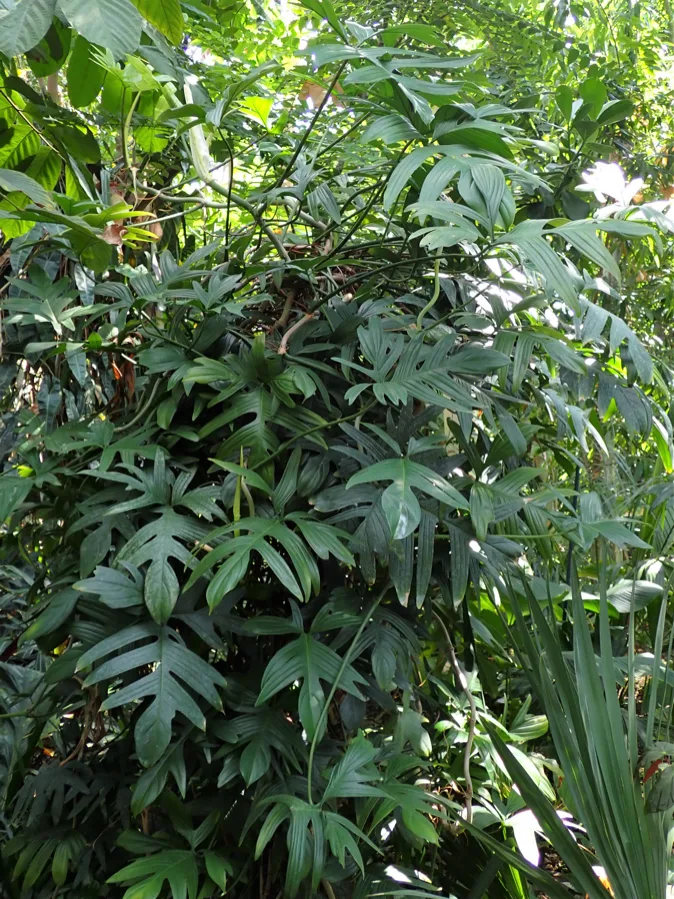
Philodendron Florida Ghost
Philodendron 'Florida Ghost'
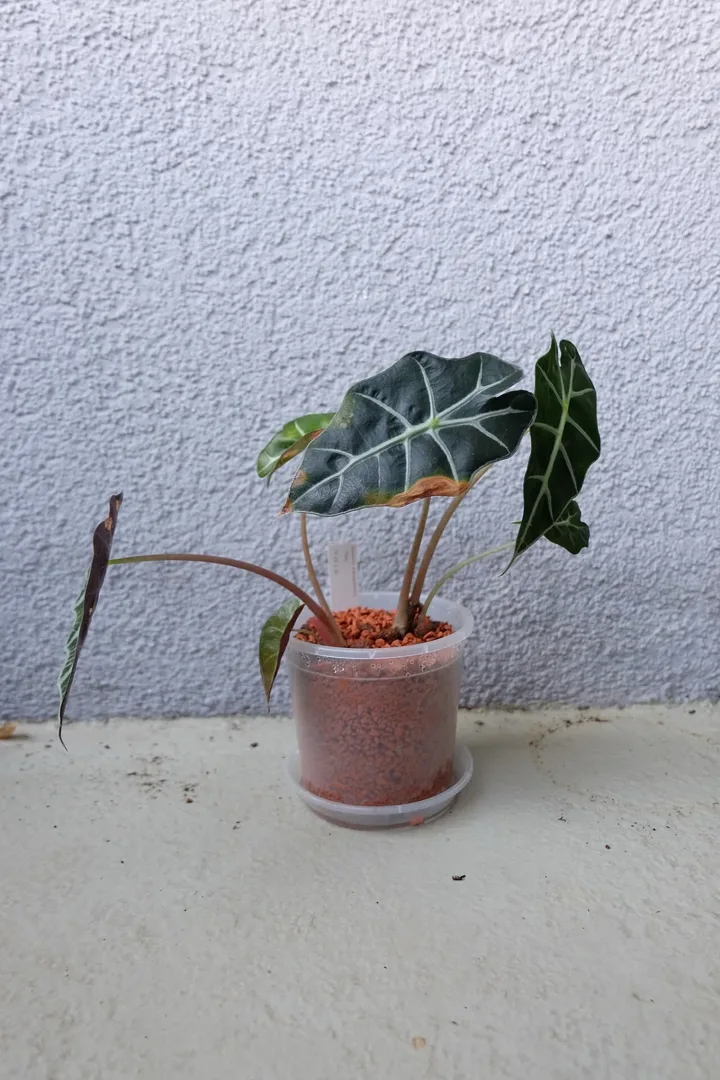
Alocasia
Alocasia amazonica
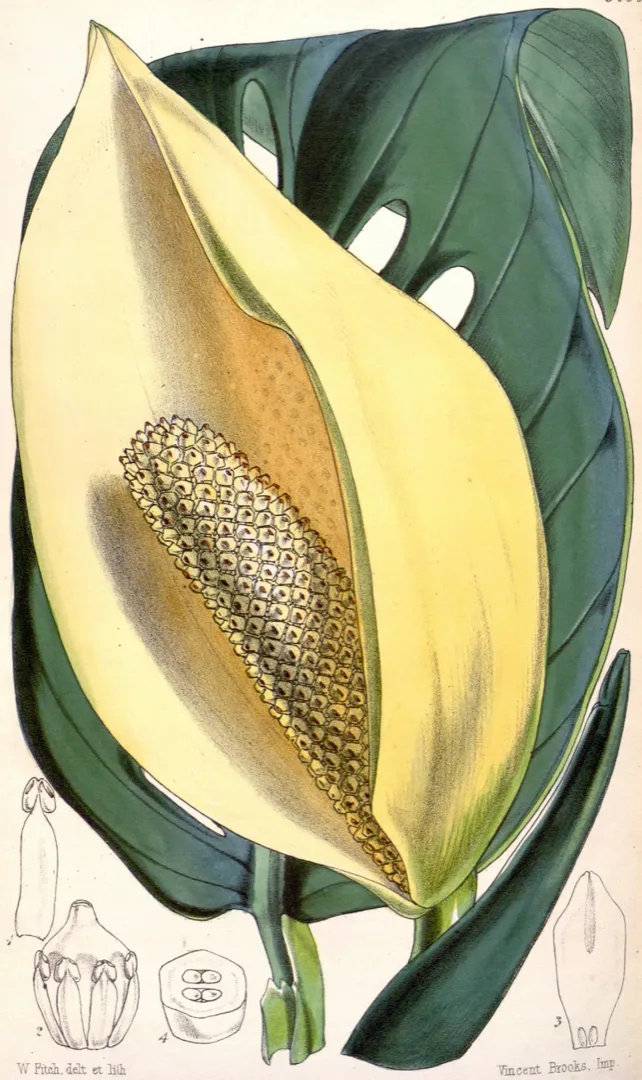
Swiss Cheese Vine
Monstera adansonii

Fiddle Leaf Fig
Ficus lyrata
Free care tools
Keep your Pitcher Plant thriving.
Get a watering schedule for your conditions, or work out what's wrong when something looks off.