Tropical Plants
Philodendron Florida Ghost
Philodendron 'Florida Ghost'
In short: Bright indirect light · medium water needs · toxic to cats and dogs (ASPCA)
Ghostly white new leaves that slowly transform to lime green and then deep emerald — this rare Philodendron is a living color show.
- Light
- Bright Indirect
- Water
- Medium
- Humidity
- High
- Growth
- Moderate
- Mature size
- 4-5 feet indoors
- Temperature
- 60–85°F (16–29°C)
Extremely rare to flower indoors. May produce a typical Philodendron spathe in ideal tropical conditions. The stunning color-changing foliage is this plant's tr...
Last updated
Overview
Philodendron Florida Ghost: Where White Meets Green
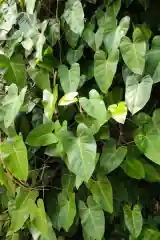
The Florida Ghost earns its name from the stunning white leaves that emerge like ghosts before gradually transitioning through lime green to deep emerald. Each leaf goes through a complete color journey, and at any given time your plant displays multiple stages at once.
A Living Color Palette
What makes this Philodendron so special is the multi-stage color transformation. Brand new leaves emerge nearly white or pale mint, then shift to lime green, chartreuse, and finally settle into rich dark green. The result is a plant that displays four or five different shades simultaneously.
Collector's Dream, Surprisingly Manageable
While the Florida Ghost is undeniably a collector's plant, it's easier to grow than many rare Philodendrons. With bright light, consistent moisture, and a climbing support, it rewards you with increasingly dramatic foliage.
Multi-Lobed Beauty
Beyond the color show, each leaf has a unique multi-lobed shape — almost like oak leaves — that sets it apart from heart-shaped Philodendron cousins. The combination of unusual shape and color makes it truly one-of-a-kind.

Watering
Water when the top inch of soil is dry — roughly once a week in growing season. The Florida Ghost likes consistent moisture but not wet feet. Use room-temperature water and ensure the pot drains completely each time.
Tip: Consistent watering keeps the white leaves from browning at the edges.

Light
Bright indirect light is essential for producing the signature ghost-white new leaves. Too little light results in new leaves emerging green instead of white. Some gentle morning sun is beneficial. Avoid harsh afternoon sun which burns the white leaves quickly.

Soil
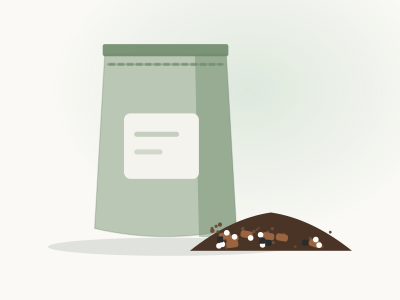
Chunky aroid mix — equal parts potting soil, perlite, and orchid bark. The climbing roots need excellent airflow. A well-draining but moisture-retentive mix keeps this epiphytic plant happy and encourages strong root development.
Fertilizing
Feed monthly during spring and summer with a balanced liquid fertilizer at half strength. Some growers use a higher nitrogen fertilizer to support the vigorous foliage production. Stop feeding in winter months.

Propagation
Propagate from stem cuttings with at least one node and aerial root. Place in moist sphagnum moss or water. Ensure the cutting has good light for rooting — the white portions lack chlorophyll and need support from green sections. Roots appear in 3-5 weeks.

Repotting
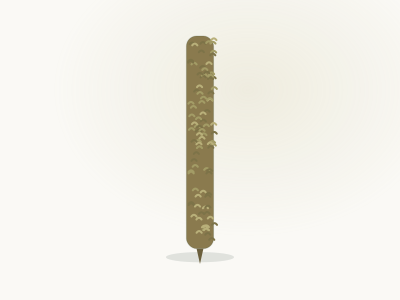
Repot every 1-2 years in spring. Move up one pot size and add or refresh the moss pole. The Florida Ghost is a climber that benefits from vertical support — repotting time is perfect for upgrading its climbing structure.
Common problems
New leaves not white: Insufficient light — increase brightness for ghostly white emergence.
Brown edges on white leaves: Low humidity or inconsistent watering — white sections are fragile.
Slow growth: Needs a moss pole to climb or more light and fertilizer.
Yellow leaves: Overwatering or poor drainage — check the root system.
Pro tips
Light = white: The brighter the indirect light, the whiter the new leaves emerge. Find the sweet spot between bright and scorching.
Moss pole essential: Climbing produces significantly larger, more dramatic leaves with better coloring.
Patience with white leaves: White leaves photosynthesize less — growth may slow when the plant has many white leaves at once.

FAQ
Philodendron Florida Ghost questions
Starter kit
Get set up for your Philodendron Florida Ghost
Untick anything you already have.
The basics


Extras for your Philodendron Florida Ghost
Was this helpful?
Your answer helps us improve this page.
Your answer didn't go through. Please try again.
Thanks for your feedback!
Plant hub
Everything about Philodendron Florida Ghost
Similar plants
Plants like this one

Monstera Deliciosa
Monstera deliciosa
 Non-toxic to pets
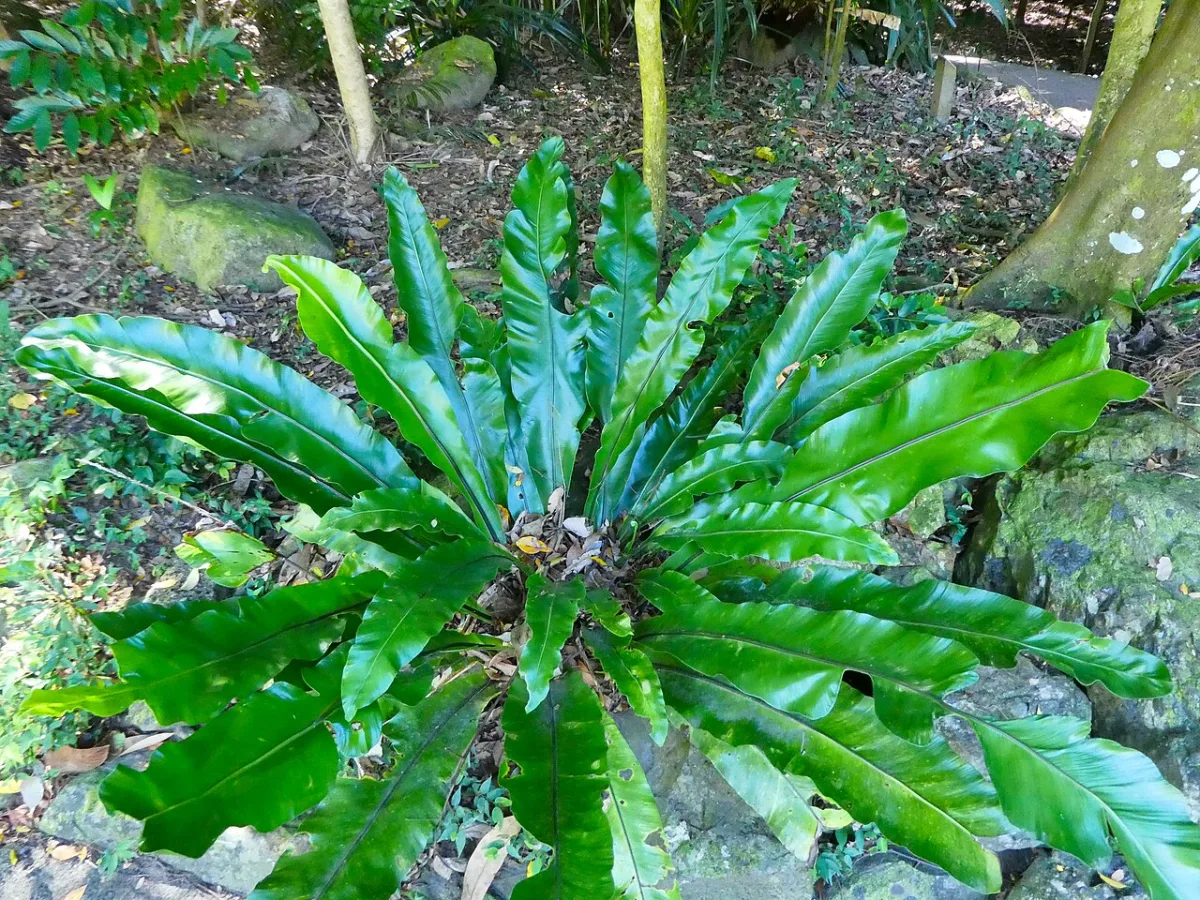
Bird's Nest Fern
Asplenium nidus
 Non-toxic to pets
Calathea
Calathea orbifolia
Alocasia
Alocasia amazonica
Free care tools
Keep your Philodendron Florida Ghost thriving.
Get a watering schedule for your conditions, or work out what's wrong when something looks off.