Tropical Plants
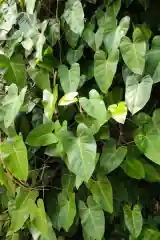
Philodendron Pink Princess
Philodendron erubescens
In short: Bright indirect light · medium water needs · toxic to cats and dogs (ASPCA)
A show-stopping collector's plant with deep green leaves splashed in bubblegum pink variegation — truly living art for your home.
- Light
- Bright Indirect
- Water
- Medium
- Humidity
- High
- Growth
- Moderate
- Mature size
- 4-5 feet indoors
- Temperature
- 60–85°F (16–29°C)
Rarely flowers indoors. In ideal tropical conditions, it may produce a small spathe, but the foliage is the real attraction.
Last updated
Overview
Why Plant Lovers Are Obsessed with the Pink Princess
The Philodendron Pink Princess has become a much sought-after collector's plant, and for good reason. Each leaf unfurls with a unique pattern of deep green and vibrant pink variegation that no two leaves share.
A True Collector's Philodendron
Unlike painted or artificially colored plants, the Pink Princess produces its stunning pink variegation naturally. The contrast between dark, almost black-green leaves and bubblegum pink patches creates a dramatic statement piece that draws every eye in the room.
Worth the Investment
While prices have come down from their peak, this plant remains a prized addition to any collection. With proper care, it rewards you with increasingly spectacular leaves and a vining habit that looks beautiful on a moss pole or trailing from a shelf.
Variegation Tips
Bright indirect light is key to maintaining strong pink coloring. Too little light and new leaves may revert to all green. Prune back to the last variegated leaf if reverting occurs.

Watering
Water when the top inch of soil feels dry — roughly once a week in spring and summer, every 10-14 days in cooler months. Use lukewarm water and drench until it flows from the drainage holes. Never let it sit in standing water.
Tip: Slightly moist but never soggy is the sweet spot.

Light
Bright indirect light is essential for maintaining vivid pink variegation. An east-facing window is ideal. Too little light causes new leaves to revert to all green. Avoid harsh direct sun, which scorches the delicate pink sections faster than the green.

Soil
Use a chunky aroid mix — equal parts potting soil, perlite, and orchid bark. This keeps roots aerated and prevents waterlogging. Good drainage is non-negotiable for healthy roots and vibrant growth.

Fertilizing
Feed monthly during the growing season with a balanced liquid fertilizer diluted to half strength. Stop feeding in winter when growth slows. Too much fertilizer burns roots and causes brown leaf edges.

Propagation
Stem cuttings with at least one node and aerial root work best. Cut below a node, let the cut callous for an hour, then place in water or moist sphagnum moss. Roots develop in 3-5 weeks. Choose cuttings with good variegation for the best results.

Repotting
Repot in spring every 1-2 years or when roots circle the bottom. Go up only one pot size. Fresh aroid mix at repotting time gives a noticeable growth boost. Handle the roots gently.
Common problems
Losing variegation: Not enough light — move to a brighter spot immediately.
Brown patches on pink areas: Sunburn or low humidity — pink sections are more delicate.
Yellow leaves: Overwatering or poor drainage.
Leggy growth: Needs more light or a moss pole for support.
Pro tips
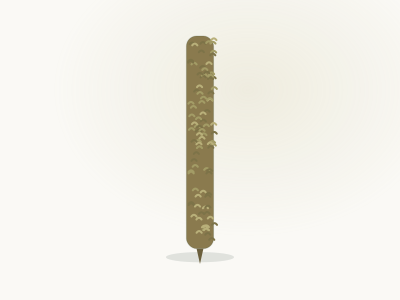
Moss pole magic: Give it a moss pole to climb and watch leaf size increase dramatically.
Prune to variegation: If a stem reverts to all green, cut back to the last pink-variegated leaf.
Humidity boost: Group with other tropicals or use a pebble tray for extra moisture in the air.

FAQ
Philodendron Pink Princess questions
Starter kit
Get set up for your Philodendron Pink Princess
Untick anything you already have.
The basics


Extras for your Philodendron Pink Princess
Was this helpful?
Your answer helps us improve this page.
Your answer didn't go through. Please try again.
Thanks for your feedback!
Plant hub
Everything about Philodendron Pink Princess
Similar plants
Plants like this one
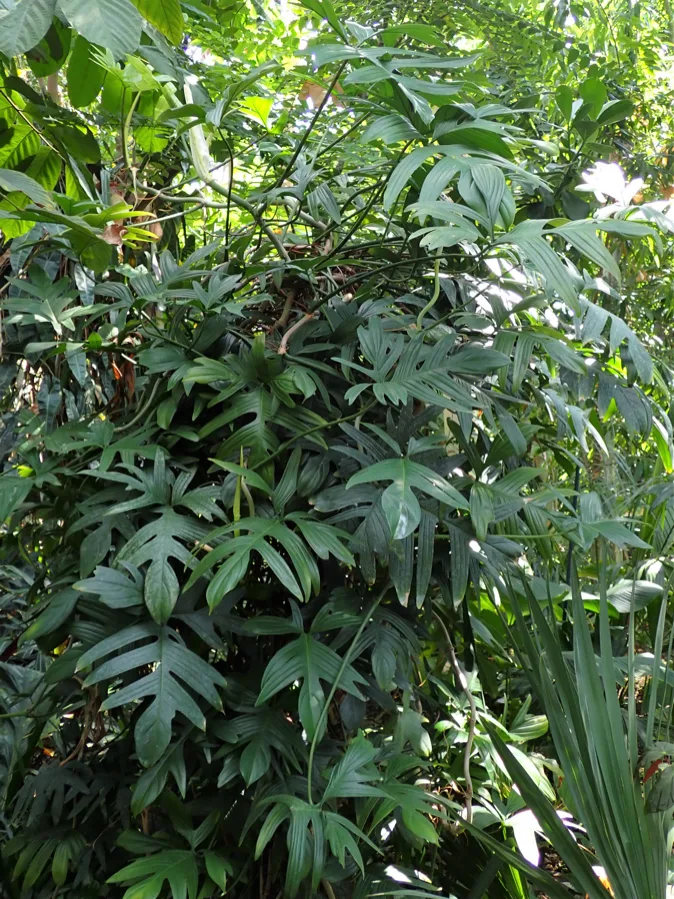
Philodendron Florida Ghost
Philodendron 'Florida Ghost'
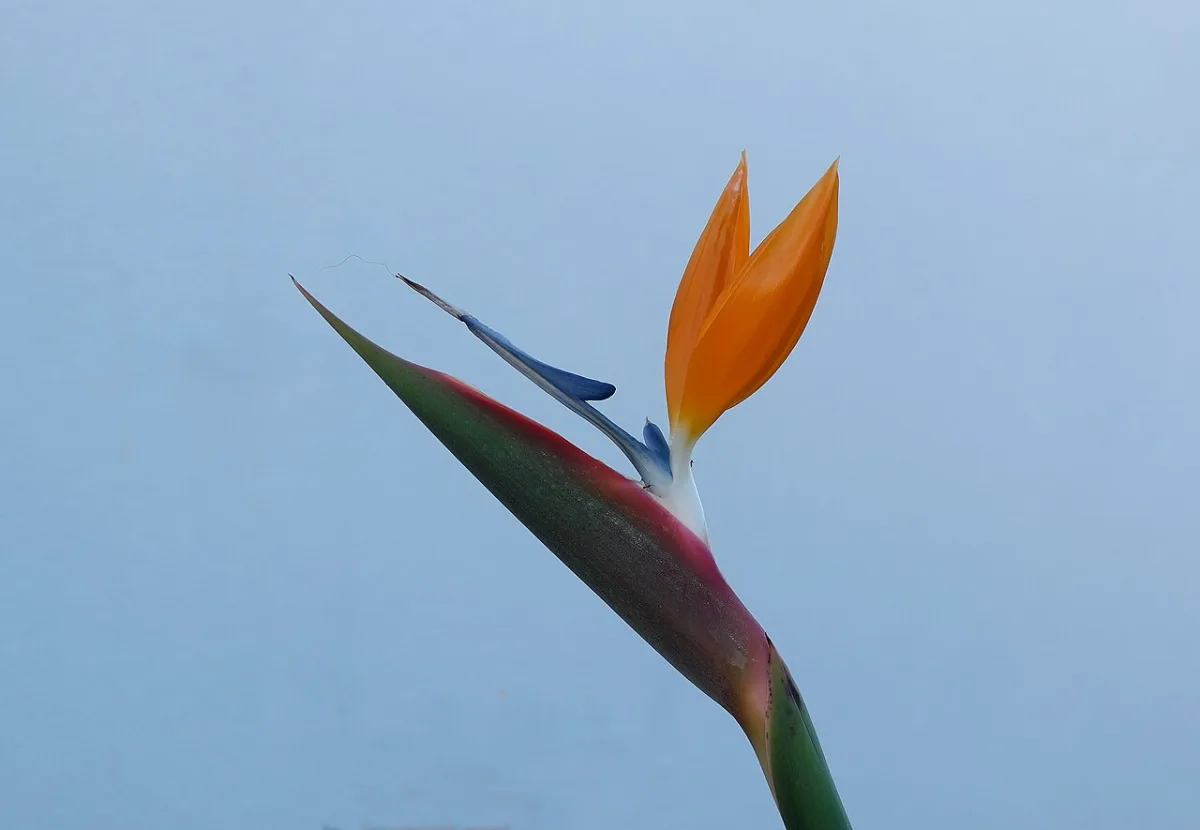
Bird of Paradise
Strelitzia reginae
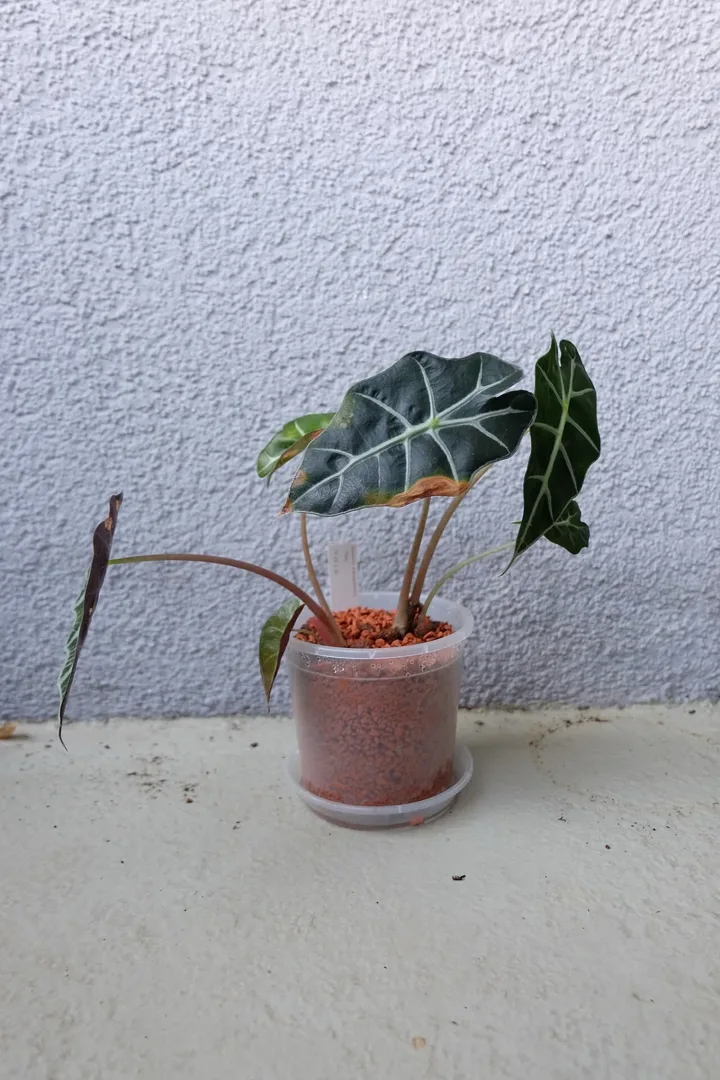
Alocasia
Alocasia amazonica
 Non-toxic to pets
Calathea
Calathea orbifolia
Free care tools
Keep your Philodendron Pink Princess thriving.
Get a watering schedule for your conditions, or work out what's wrong when something looks off.