Tropical Plants
Rex Begonia
Begonia rex
In short: Bright indirect light · medium water needs · toxic to cats and dogs (ASPCA)
Swirling, hand-painted leaves in silver, pink, and burgundy make the Rex Begonia a living work of art for any bright shelf.
- Light
- Bright Indirect
- Water
- Medium
- Humidity
- High
- Growth
- Medium
- Mature size
- 1-2 feet indoors
- Temperature
- 60–75°F (16–24°C)
Summer · Produces small, delicate pink or white flowers in summer. Most growers pinch them off to redirect energy toward those stunning leaves.
Last updated
Overview
Why Rex Begonia Steals the Show
Forget flowers — the Rex Begonia is all about those jaw-dropping leaves. Swirls of metallic silver, deep burgundy, emerald green, and rosy pink create patterns so intricate they look hand-painted. No two leaves are exactly alike.
A Collector's Favorite
Often called the "painted-leaf begonia," Rex Begonias have earned a cult following among houseplant enthusiasts. They are a bit more particular than your average beginner plant, but the payoff is extraordinary foliage that draws every eye in the room.
Popular Varieties
- Escargot: Spiral-curled leaves resembling a snail shell
- Fireworks: Silver leaves with purple veins and edges
- Red Kiss: Deep red-black leaves with a metallic sheen
- Silver Dollar: Large silver leaves with green veining
Year-Round Color
While many houseplants rely on flowers for color, Rex Begonias deliver vibrant hues 365 days a year entirely through their foliage. Place one on a side table or shelf and watch it become the instant conversation starter.

Watering
Keep the soil consistently moist but never soggy — think of a wrung-out sponge. Water when the top half-inch feels dry, typically every 4-5 days in summer and weekly in winter. Always water at the base to keep leaves dry.
Tip: Bottom watering works beautifully for Rex Begonias and prevents crown rot.

Light
Bright, indirect light brings out the best leaf colors. An east-facing window is ideal. Too much direct sun fades the patterns and scorches leaves. Too little light stretches stems and dulls the colors. Grow lights work wonderfully in darker rooms.

Soil
A light, airy mix is essential. Combine peat-based potting soil with perlite and a handful of orchid bark. The roots are shallow and delicate — heavy soil suffocates them quickly.

Fertilizing
Feed every two weeks during spring and summer with a balanced liquid fertilizer at quarter strength. These are sensitive — too much fertilizer burns the delicate roots. Stop feeding entirely in winter when growth slows.

Propagation
Leaf cuttings are the classic method. Cut a healthy leaf, make small slits across the major veins on the underside, and lay it flat on moist soil. Pin it down gently. New plantlets emerge from the cuts in 4-6 weeks. Rhizome division also works during repotting.

Repotting
Repot every 1-2 years in spring using a shallow, wide pot. Rex Begonias have shallow root systems — a deep pot holds too much moisture below. Choose a container only slightly larger than the current one.

Common problems
Crispy leaf edges: Humidity too low — aim for 50%+ and consider a pebble tray.
Powdery mildew: Poor air circulation plus wet leaves. Improve airflow and water at the base only.
Leggy, reaching stems: Not enough light — move closer to a window.
Leaf drop: Overwatering or sudden temperature changes are the usual culprits.
Pro tips
Humidity hack: Group Rex Begonias with other tropicals on a pebble tray — they create a microclimate for each other.
Dormancy: Growth may stall in winter. Reduce watering and skip fertilizer — they will bounce back in spring.
Terrarium star: Miniature varieties thrive in open terrariums where humidity stays naturally high.
FAQ
Rex Begonia questions
Starter kit
Get set up for your Rex Begonia
Untick anything you already have.
The basics

Extras for your Rex Begonia
Was this helpful?
Your answer helps us improve this page.
Your answer didn't go through. Please try again.
Thanks for your feedback!
Similar plants
Plants like this one

Fiddle Leaf Fig
Ficus lyrata
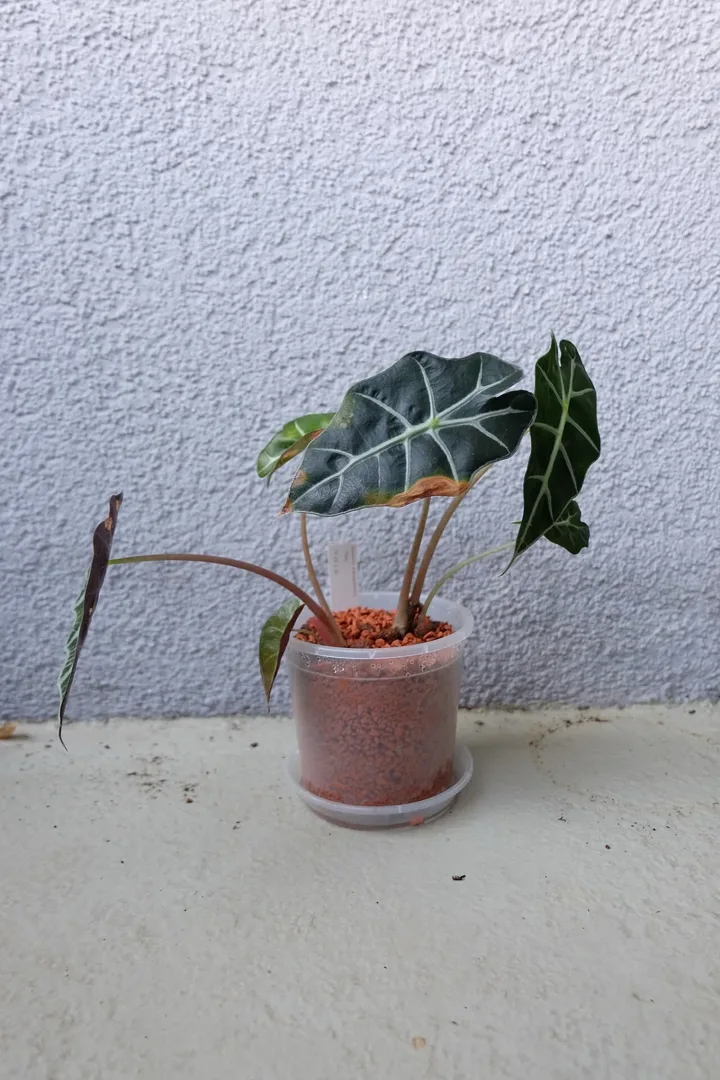
Alocasia
Alocasia amazonica

Monstera Thai Constellation
Monstera deliciosa Thai Constellation
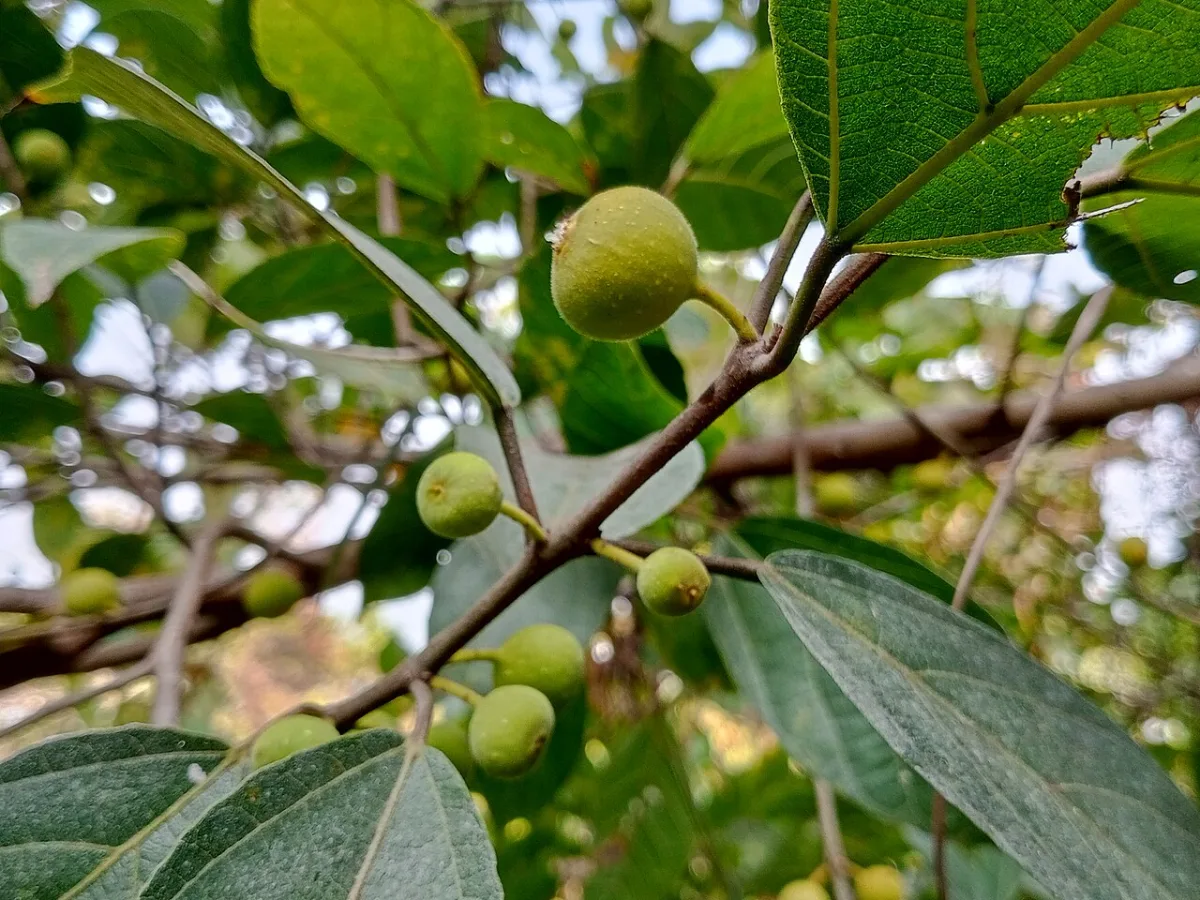
Fiddle Leaf Fig Bambino
Ficus lyrata Bambino
Free care tools
Keep your Rex Begonia thriving.
Get a watering schedule for your conditions, or work out what's wrong when something looks off.