Hanging Plants
Philodendron Micans
Philodendron hederaceum 'Micans'
In short: Bright indirect light · medium water needs · toxic to cats and dogs (ASPCA)
Velvety heart-shaped leaves in shifting shades of bronze and deep green — Philodendron Micans is a wonderfully touchable trailing plant.
- Light
- Bright Indirect
- Water
- Medium
- Humidity
- Average
- Growth
- Fast
- Mature size
- 6-8 feet trailing or climbing
- Temperature
- 60–85°F (16–29°C)
Extremely rare to flower indoors. In tropical conditions, it may produce a typical aroid spathe. The velvety foliage is this plant's true showpiece.
Last updated
Overview
Philodendron Micans: Velvet Leaves That Steal Hearts
There are trailing plants, and then there are trailing plants that make you reach out and touch them. Philodendron Micans has velvety, heart-shaped leaves that shimmer between deep green, bronze, and russet depending on the light.
A Velvet Sensation
Run your fingers over a Micans leaf and you'll feel a soft, micro-velvet texture few houseplants can match. New leaves emerge in a coppery bronze that gradually deepens to dark green, creating a beautiful gradient effect along each vine.
Trailing or Climbing — Your Choice
Let it cascade from a hanging basket for a romantic, flowing look, or give it a moss pole to climb for larger, more dramatic leaves. Either way, this fast-growing philodendron fills space beautifully and forgives the occasional missed watering.
Perfect Beginner Rare Plant
Once considered rare and expensive, Micans has become more accessible while maintaining its premium look. It's the perfect entry point into unusual houseplants — stunning enough to impress but easy enough for beginners.
Watering
Water when the top inch of soil dries out — about once a week in warm months, every 10-14 days in winter. Micans prefers consistent moisture but tolerates a missed watering without drama. Water thoroughly until it drains from the bottom.
Tip: Slightly drooping leaves = needs water. It perks back up within hours.

Light
Bright indirect light brings out the richest velvet colors and keeps growth compact. Tolerates medium light but may get leggy. Avoid direct sun which fades the beautiful bronze tones and can burn the delicate velvet surface.

Soil
A chunky aroid mix works best — potting soil, perlite, and orchid bark in equal parts. Good drainage and airflow around roots encourages healthy growth. Standard potting mix with added perlite also works well.

Fertilizing
Feed monthly during spring and summer with a balanced liquid fertilizer at half strength. The fast growth rate benefits from regular feeding. Reduce to every 6-8 weeks in fall and stop in winter.

Propagation
One of the easiest plants to propagate. Snip below a node, place in water, and watch roots appear in 1-2 weeks. Once roots are an inch long, pot in soil. You can also propagate directly in moist sphagnum moss for stronger initial roots.

Repotting
Repot annually in spring as this fast grower fills pots quickly. Move up one pot size. This is a good time to add a moss pole or trellis if you want it to climb. Fresh soil each year supports the vigorous growth rate.
Common problems
Leggy vines: Not enough light — move brighter and trim to encourage bushier growth.
Yellowing leaves: Overwatering — let soil dry more between waterings.
Loss of velvet texture: Too much direct sun bleaching the leaves.
Small new leaves: Needs fertilizer or more light to produce full-sized foliage.
Pro tips
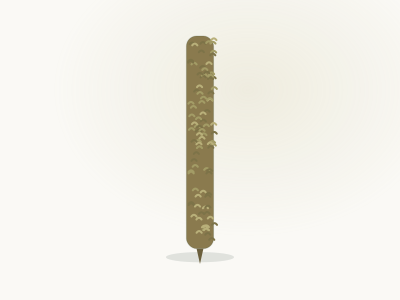
Moss pole upgrade: Leaves tend to grow larger when climbing — give it vertical support for the most impressive display.
Propagation chain: One long vine can produce several new plants — share the love.
Bronze light trick: Backlight the leaves with warm light for a stunning bronze glow effect in the evening.

FAQ
Philodendron Micans questions
Starter kit
Get set up for your Philodendron Micans
Untick anything you already have.
The basics


Extras for your Philodendron Micans
Was this helpful?
Your answer helps us improve this page.
Your answer didn't go through. Please try again.
Thanks for your feedback!
Plant hub
Everything about Philodendron Micans

Similar plants
Plants like this one
 Non-toxic to pets
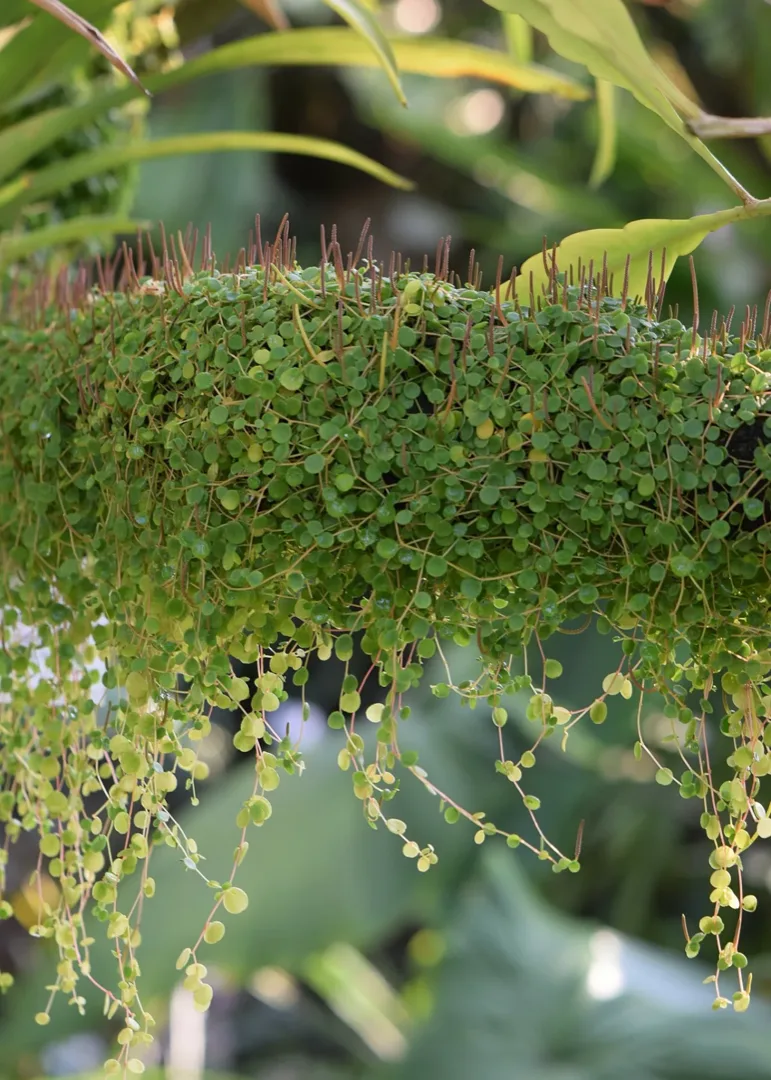
String of Turtles
Peperomia prostrata
 Non-toxic to pets
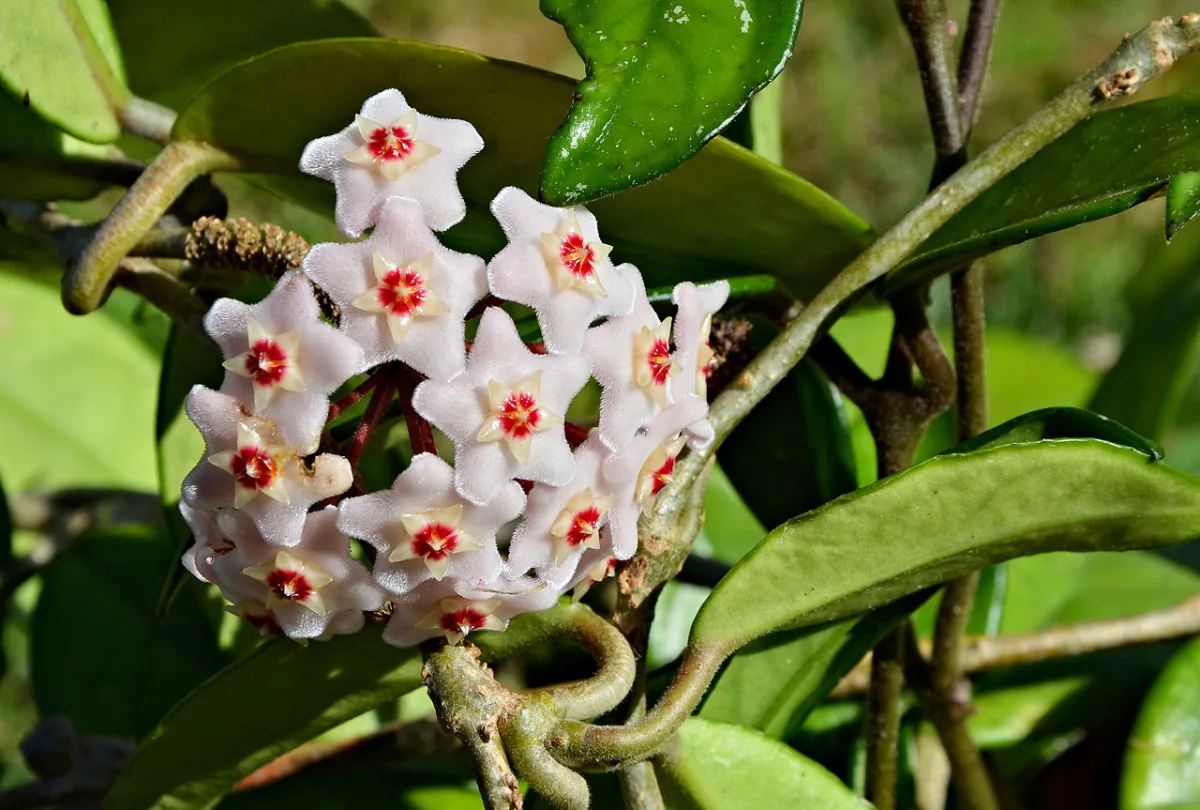
Hoya
Hoya carnosa
 Non-toxic to pets
Spider Plant
Chlorophytum comosum
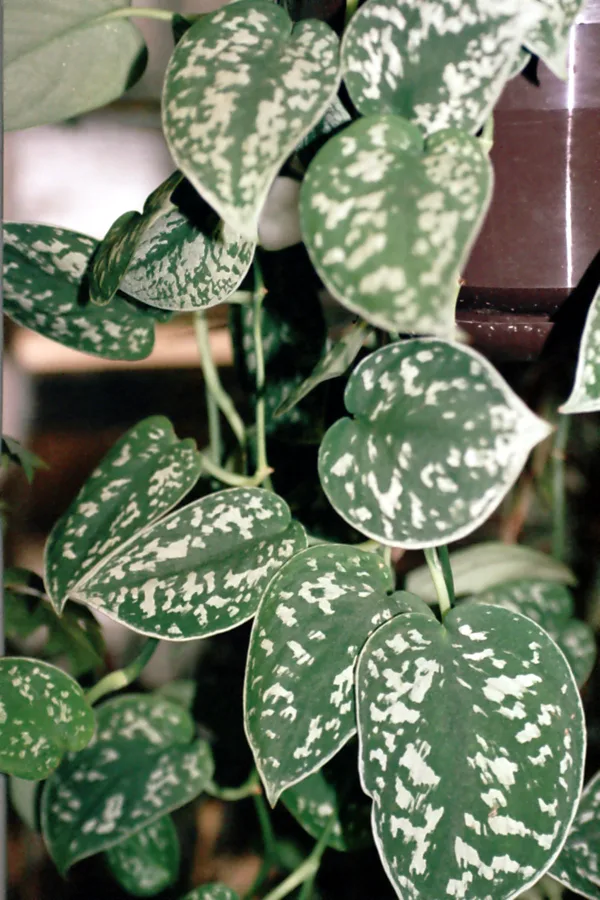
Satin Pothos
Scindapsus pictus
Free care tools
Keep your Philodendron Micans thriving.
Get a watering schedule for your conditions, or work out what's wrong when something looks off.