Hanging Plants
Lipstick Plant
Aeschynanthus radicans
In short: Bright indirect light · medium water needs · non-toxic to cats and dogs (ASPCA)
Trailing vines with tubular red flowers that emerge from dark calyxes like lipstick from a tube. A unique flowering hanging plant.
- Light
- Bright Indirect
- Water
- Medium
- Humidity
- High
- Growth
- Medium
- Mature size
- Trails 2-3 feet
- Temperature
- 60–80°F (16–27°C)
Spring-Fall · Bright red tubular flowers emerge from dark calyxes multiple times per year. A brief cool period (60-65°F for a few weeks) followed by warmth trig...
Last updated
Overview
Lipstick Plant: Nature's Lipstick Tube
The Lipstick Plant gets its name from its bright red tubular flowers that emerge from dark maroon calyxes — looking remarkably like lipstick popping out of a tube. It is a charming flowering trailing plant.
Cascading Beauty
Long, trailing stems with glossy pairs of dark green leaves create a lush cascade from hanging planters. When in bloom, the bright red flowers add a cheerful pop of color.
Easy Bloomer
- Blooms several times per year with proper care
- Bright indirect light triggers flowering
- Flowers may attract hummingbirds outdoors in the Americas
- Semi-epiphytic — likes airy soil
With the right light and a cool rest period, Lipstick Plants can bloom almost continuously through the warmer months.

Watering
Keep soil lightly moist during growing season. Water when top inch is dry. Reduce in winter but do not let soil dry completely. Epiphytic roots prefer consistent but not soggy moisture. Good drainage is essential.

Light
Bright indirect light is essential for blooming. Some direct morning sun encourages flowers. East-facing window ideal. In low light, the plant grows but does not bloom. Insufficient light is the main reason for lack of flowers.

Soil
Light, airy, well-draining mix. Orchid bark, perlite, and peat moss work well. As a semi-epiphyte, it needs excellent drainage and air around roots. Standard potting soil is too heavy.

Fertilizing
Feed every 2 weeks during active growth with balanced liquid fertilizer at half strength. Switch to bloom-boosting formula when flower buds appear. Stop in winter.

Propagation
Easy from stem tip cuttings. Take 4-6 inch cuttings from non-flowering stems, remove lower leaves, and place in moist perlite or water. Roots form in 3-4 weeks. Best done in spring or summer.
Repotting
Every 2 years in spring. Use a hanging pot or basket with good drainage. Prefers being slightly root-bound — this encourages flowering. Airy, chunky soil mix.

Common problems
No flowers: Not enough light or missing cool rest period. Move to brighter spot.
Dropping leaves: Overwatering, cold drafts, or sudden environmental change.
Leggy stems: Insufficient light. Prune and move brighter.
Bud drop: Stress from moving, drafts, or inconsistent watering.
Pro tips
Cool trigger: A few weeks of 60-65°F temperatures in late winter stimulates spring blooming.
Prune after blooming: Trim stems after flowers fade to encourage bushier growth and more bloom sites.
Pet safe: Listed as non-toxic to cats and dogs by the ASPCA — great for pet-friendly hanging displays.
FAQ
Lipstick Plant questions
Starter kit
Get set up for your Lipstick Plant
Untick anything you already have.
The basics


Extras for your Lipstick Plant
Was this helpful?
Your answer helps us improve this page.
Your answer didn't go through. Please try again.
Thanks for your feedback!
Similar plants
Plants like this one
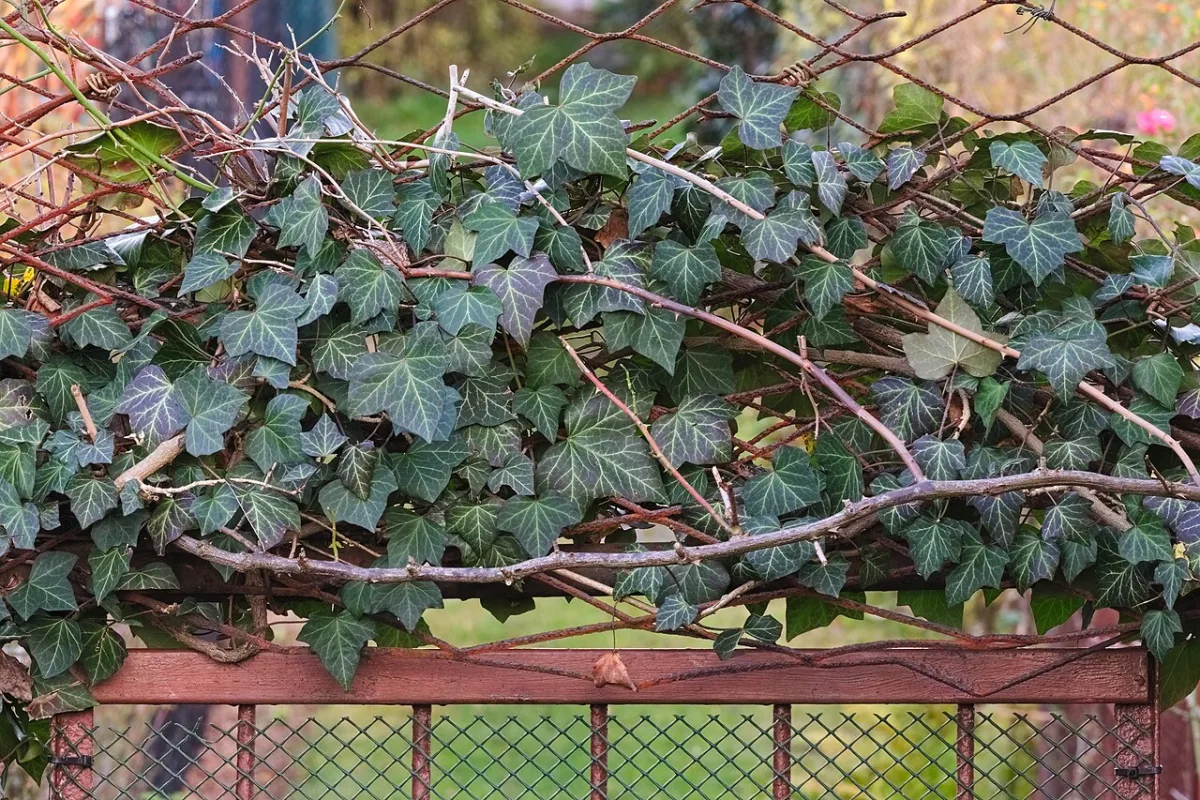
English Ivy
Hedera helix

String of Hearts
Ceropegia woodii
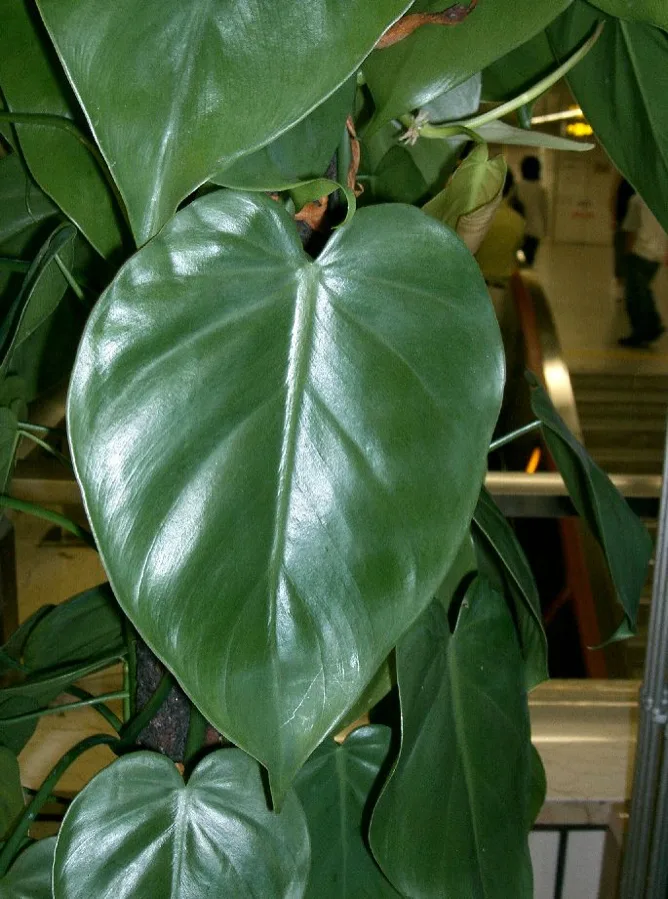
Philodendron Brasil
Philodendron hederaceum 'Brasil'
 Non-toxic to pets
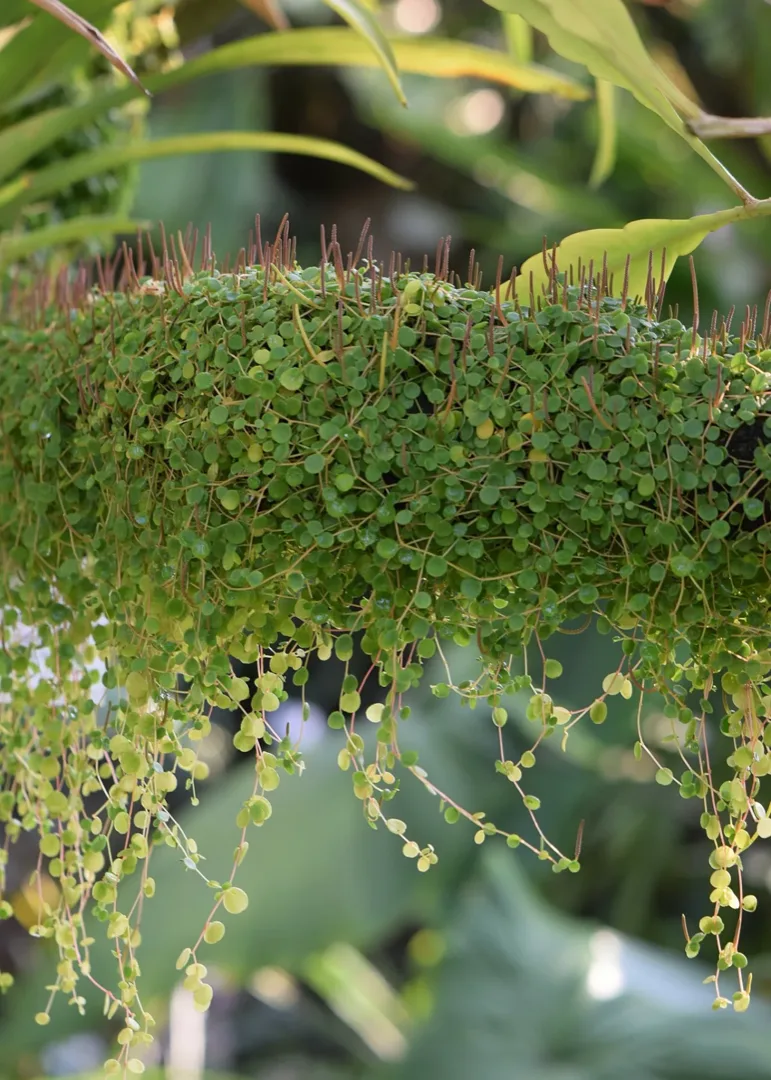
String of Turtles
Peperomia prostrata
Free care tools
Keep your Lipstick Plant thriving.
Get a watering schedule for your conditions, or work out what's wrong when something looks off.