Hanging Plants
Staghorn Fern
Platycerium bifurcatum
In short: Bright indirect light · medium water needs · non-toxic to cats and dogs (ASPCA)
A stunning wall-mounted fern with antler-shaped fronds that turns any room into a living gallery. Nature's own sculpture.
- Light
- Bright Indirect
- Water
- Medium
- Humidity
- High
- Growth
- Medium
- Mature size
- 2-3 feet
- Temperature
- 50–100°F (10–38°C)
Last updated
Overview
Why the Staghorn Fern Is a Living Work of Art
The Staghorn Fern (Platycerium bifurcatum) is unlike any other houseplant. Mounted on a board and hung on the wall, its dramatic, antler-shaped fronds create a living sculpture that looks like it belongs in a modern art gallery. It's part plant, part decor statement.
Two Types of Fronds
What makes Staghorn Ferns fascinating is their dual frond system. The flat, round "shield fronds" press against the mounting surface, anchoring the plant and capturing nutrients. The forked "antler fronds" grow outward, collecting light and producing spores. Both are essential and beautiful in their own way.
Epiphyte Life
In the wild, Staghorn Ferns grow on tree trunks in tropical forests — no soil needed. Indoors, they're typically mounted on wooden boards with sphagnum moss, mimicking their natural growing habit. They can also grow in hanging baskets for a different look.
Pet-Safe
Non-toxic to cats and dogs, though their wall-mounted position usually keeps them safely out of reach anyway.

Watering
For mounted Staghorns, soak the entire mount in water for 15-20 minutes once a week (every 5 days in summer heat). Let it drip dry before rehanging. For potted specimens, water when the moss feels dry. Mist the fronds between waterings in dry environments.
Tip: Brown shield fronds are normal — they're supposed to dry out. Don't remove them.

Light
Bright, indirect light mimics the dappled canopy light of their forest home. East-facing walls or near (but not in) a south-facing window work well. Some direct morning sun is fine, but harsh afternoon sun can scorch the fronds. They also do well under bright artificial light.

Soil
No traditional soil needed. Mount on a wooden board with a mound of moist sphagnum moss behind the shield fronds. If potting, use a very chunky mix of orchid bark, sphagnum moss, and perlite for maximum drainage and airflow.
Fertilizing
Feed monthly during spring and summer by adding liquid fertilizer to the soaking water at half strength. A balanced or slightly higher nitrogen formula supports lush frond growth.

Propagation
Propagate from pups (offsets) that grow at the base of the plant. Once a pup has its own shield frond and several antler fronds, carefully separate it with a sharp knife and mount it on its own board with sphagnum moss.
Repotting
Remount every 2-3 years when the plant outgrows its board, or add fresh sphagnum moss annually. If potted, repot when roots fill the container, using chunky epiphyte mix.
Common problems
Black frond bases: Root rot from overwatering or poor drainage. Reduce soaking frequency and ensure drying between waterings.
Brown antler tips: Low humidity or underwatering.
Brown shield fronds: Completely normal — old shield fronds dry and turn brown. Never remove them; they protect the root system.
Drooping fronds: Usually thirsty — time to soak.
Pro tips
Never remove shield fronds: Even brown, dried ones. They form a protective covering for the root ball and capture nutrients.
Don't touch the fronds: The silvery fuzz on the antler fronds is protective trichomes — wiping it off leaves the plant vulnerable.
Banana peel trick: Some growers tuck a piece of banana peel behind the shield frond as a slow feed. The evidence is anecdotal; diluted fertilizer in the soaking water is more reliable.
FAQ
Staghorn Fern questions
Starter kit
Get set up for your Staghorn Fern
Untick anything you already have.
The basics
Extras for your Staghorn Fern

Was this helpful?
Your answer helps us improve this page.
Your answer didn't go through. Please try again.
Thanks for your feedback!
Similar plants
Plants like this one
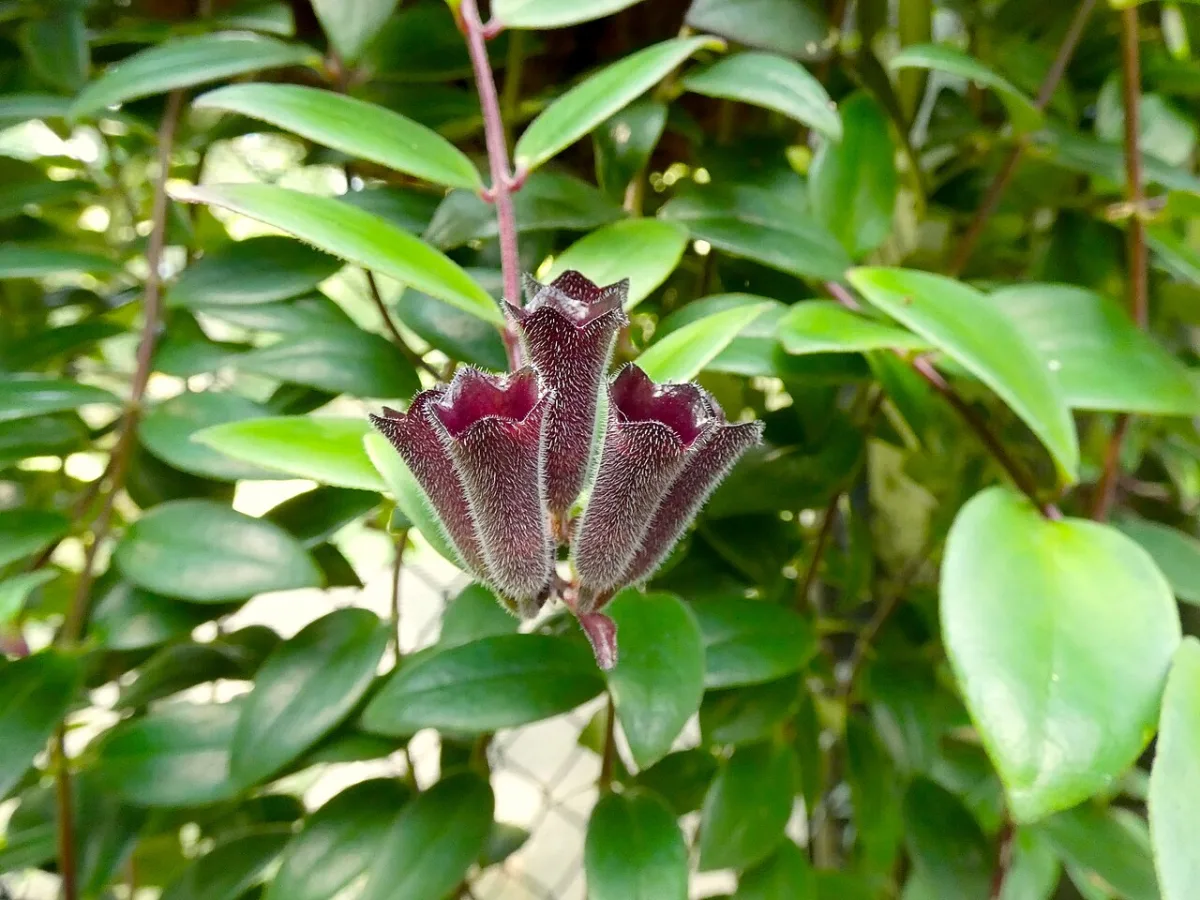 Non-toxic to pets
Lipstick Plant
Aeschynanthus radicans

String of Hearts
Ceropegia woodii
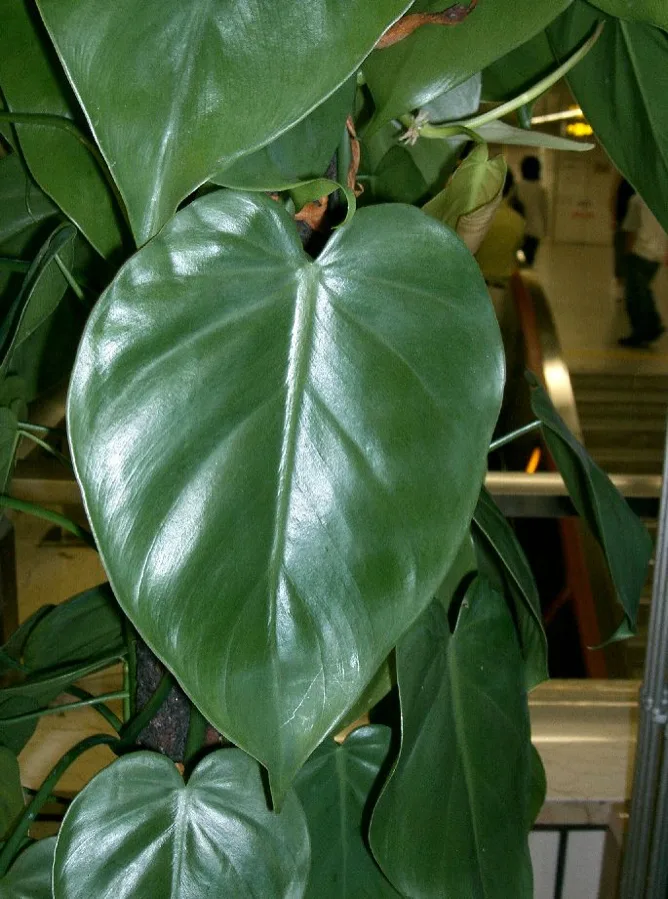
Philodendron Brasil
Philodendron hederaceum 'Brasil'
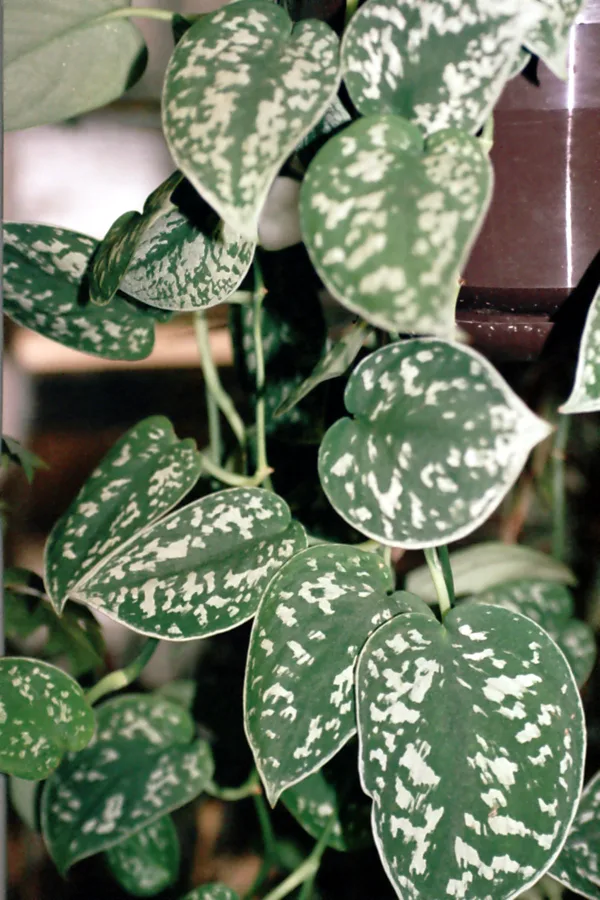
Satin Pothos
Scindapsus pictus
Free care tools
Keep your Staghorn Fern thriving.
Get a watering schedule for your conditions, or work out what's wrong when something looks off.