Tropical Plants
Anthurium
Anthurium andraeanum
In short: Bright indirect light · medium water needs · toxic to cats and dogs (ASPCA)
Glossy heart-shaped flowers in vivid red, pink, or white that last for weeks. Anthurium blooms year-round with minimal effort.
- Light
- Bright Indirect
- Water
- Medium
- Humidity
- High
- Growth
- Medium
- Mature size
- 1-2 feet
- Temperature
- 65–85°F (18–29°C)
Year-round · Blooms continuously throughout the year in good conditions. Each spathe lasts 6-8 weeks. Bright indirect light triggers flowering. Higher humidity...
Last updated
Overview
Anthurium: The Flamingo Flower
Anthurium is one of the few houseplants that blooms reliably year-round indoors. The glossy, heart-shaped "flowers" (actually modified leaves called spathes) come in vivid reds, pinks, whites, and even greens, each lasting 6-8 weeks.
Color That Lasts
Unlike cut flowers that wilt in a week, Anthurium blooms persist for weeks. A happy plant can have multiple blooms at once, providing continuous color without effort.
Varieties
- Red: Classic vivid red spathes
- Pink: Soft pink, very popular
- White: Elegant and modern
- Clarinervium: Grown for velvety veined foliage rather than flowers
Easy to grow, long-lasting blooms, and a compact size make Anthurium a perfect gift plant and desk companion.

Watering
Water when top inch is dry. Likes consistent moisture but well-drained soil. Epiphytic roots rot easily in soggy conditions. Water thoroughly and drain. Reduce slightly in winter.

Light
Bright indirect light for best blooming. East-facing window ideal. No direct sun — burns the spathes and foliage. Medium light is tolerated but reduces flowering. More light = more blooms.

Soil
Airy, well-draining orchid-type mix. Blend orchid bark, perlite, and peat moss. As epiphytes, they need air around their roots. Standard potting soil is too dense.
Fertilizing
Feed monthly with phosphorus-rich fertilizer (bloom-boosting formula) at quarter strength. Light feeder. Over-fertilizing causes salt damage. Stop in winter.
Propagation
Divide at the root level during repotting. Separate clumps with roots attached. Can also propagate from stem cuttings with aerial roots. Plant in moist sphagnum moss until established.

Repotting
Every 2 years in spring. Use a pot only slightly larger. Orchid-type pots with extra drainage work well. The roots should be snug but not circling.

Common problems
No flowers: Not enough light. Move closer to a window.
Brown leaf tips: Low humidity or fertilizer burn.
Yellow leaves: Overwatering or aging (normal for oldest leaves).
Green flowers: Could be a green variety, or insufficient light causing green instead of red.
Pro tips
Bloom booster: Place in the brightest indirect spot and maintain 60%+ humidity for non-stop flowers.
Spathes are leaves: The colorful "flower" is a modified leaf (spathe). The actual flowers are on the central spike (spadix).
Wipe leaves: Glossy leaves show dust easily. Wipe monthly for best appearance.
FAQ
Anthurium questions
Starter kit
Get set up for your Anthurium
Untick anything you already have.
The basics

Extras for your Anthurium
Was this helpful?
Your answer helps us improve this page.
Your answer didn't go through. Please try again.
Thanks for your feedback!
Similar plants
Plants like this one
 Non-toxic to pets
Calathea
Calathea orbifolia
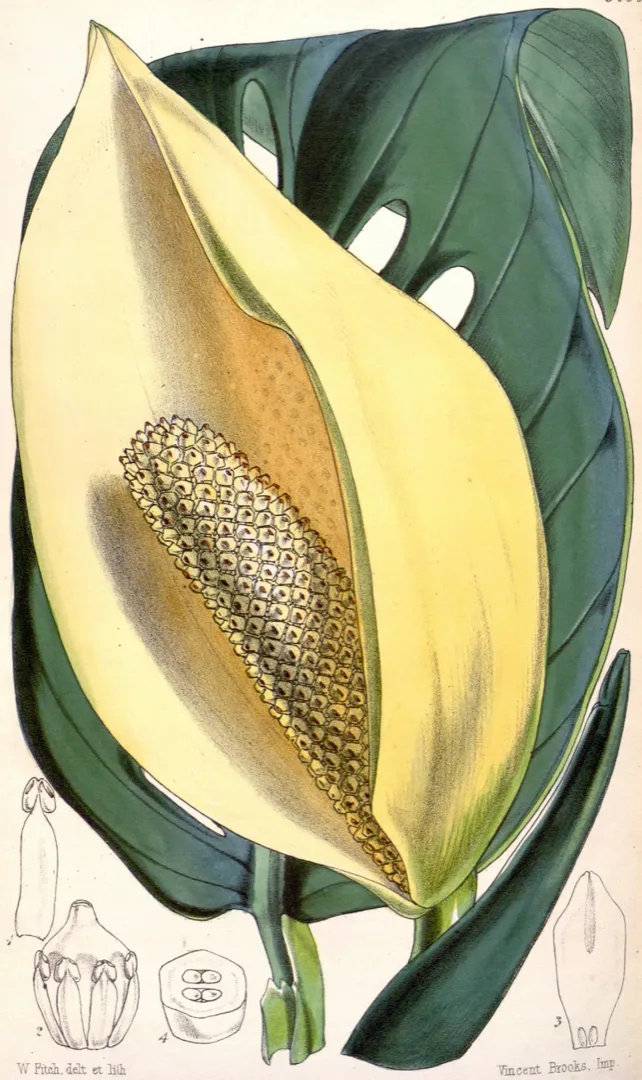
Swiss Cheese Vine
Monstera adansonii
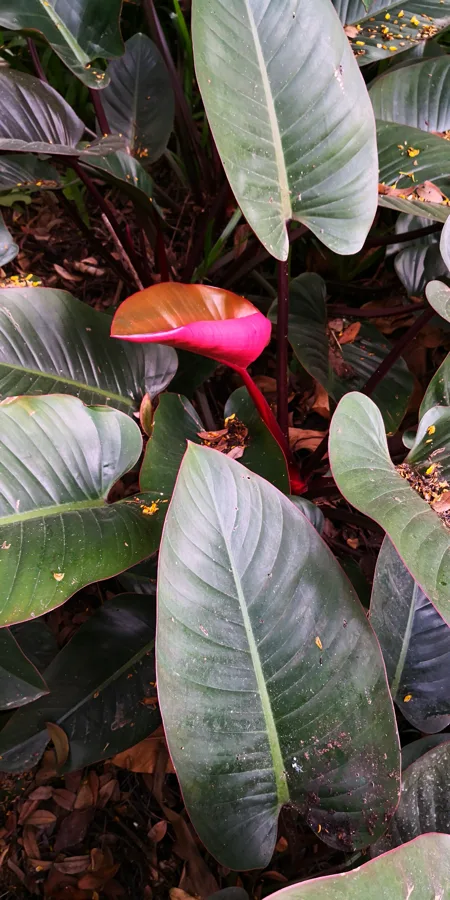
Philodendron Pink Princess
Philodendron erubescens

Monstera Thai Constellation
Monstera deliciosa Thai Constellation
Free care tools
Keep your Anthurium thriving.
Get a watering schedule for your conditions, or work out what's wrong when something looks off.