Indoor Plants
Umbrella Plant
Schefflera arboricola
In short: Bright indirect light · medium water needs · toxic to cats and dogs (ASPCA)
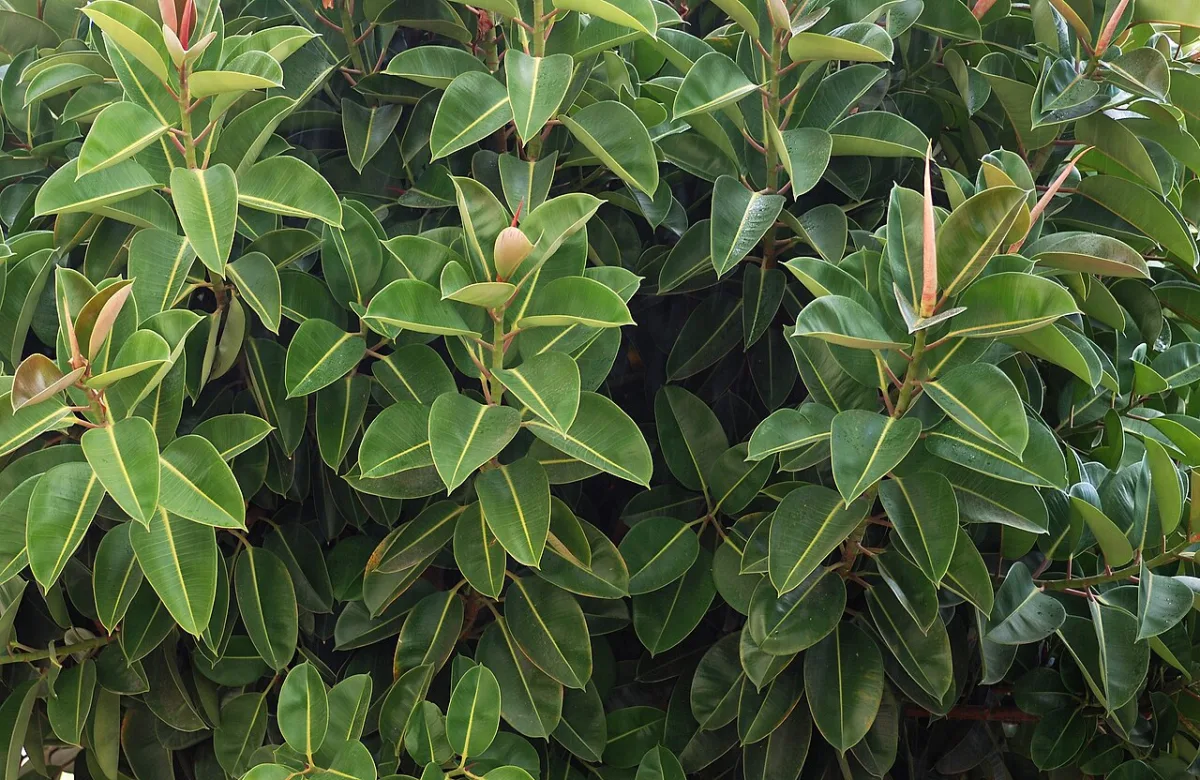
Glossy, umbrella-shaped leaf clusters on graceful stems make Schefflera a lush, easy-care indoor tree that fills any corner beautifully.
- Light
- Bright Indirect
- Water
- Medium
- Humidity
- Average
- Growth
- Medium
- Mature size
- 4-8 feet indoors
- Temperature
- 60–80°F (16–27°C)
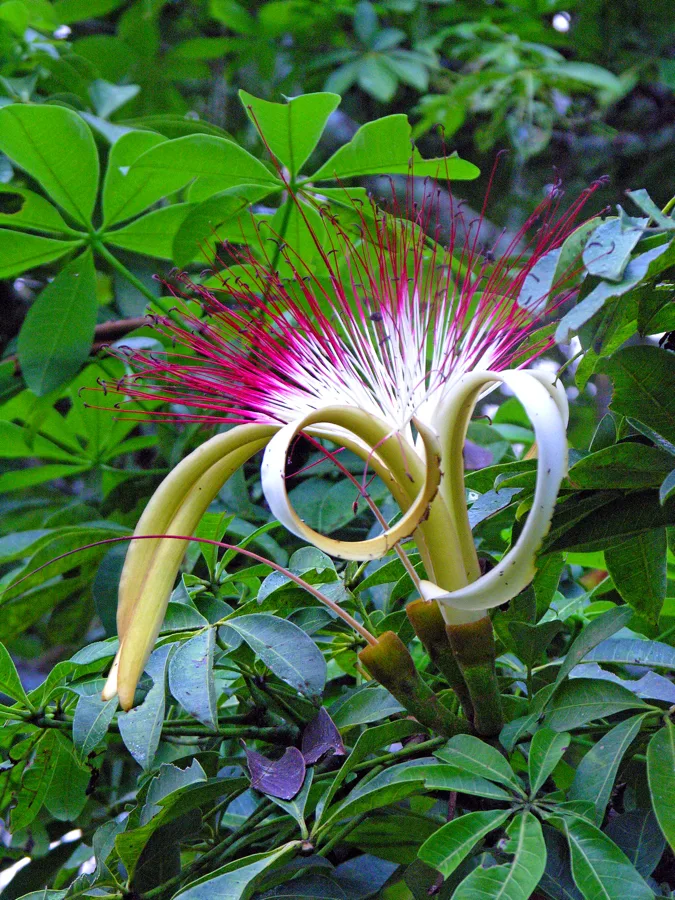
Rarely blooms indoors. Outdoor specimens in tropical climates produce red flower spikes followed by small round berries, but this is essentially a foliage plant...
Last updated
Overview
Umbrella Plant: Lush and Easygoing
The Schefflera arboricola, affectionately called the Umbrella Plant, earns its name from clusters of glossy leaflets that radiate outward like tiny green umbrellas. It is a reliable, attractive indoor tree for filling an empty corner with lush greenery.
Versatile Grower
Whether you want a compact tabletop plant or a bushy floor tree, Schefflera adapts. With regular pruning it stays full and bushy; left alone, it stretches into a graceful small tree. You can even braid multiple stems for a unique look.
Popular Varieties
- Green: Classic deep green, glossy leaflets
- Gold Capella: Green leaves splashed with bright yellow
- Trinette: Cream and green variegation
- Compacta: Dwarf variety staying under 3 feet
Hardy Houseplant
Schefflera is forgiving of imperfect conditions. It tolerates lower light than many indoor trees, bounces back from the occasional missed watering, and grows steadily without much fuss. A true set-it-and-forget-it plant for busy homes.
Watering
Water when the top 1-2 inches of soil are dry. Typically once a week in growing season, every 10-14 days in winter. Water thoroughly and let excess drain. Schefflera is more forgiving of slight underwatering than overwatering — soggy roots lead to leaf drop.
Tip: If leaves turn black and mushy at the base, you are overwatering. Yellow and dropping? Also likely too much water.
Light
Bright indirect light is ideal. Tolerates medium light well, though growth slows and variegated types may lose their coloring. Avoid direct hot sun which scorches leaves. Rotate every few weeks for even growth — Schefflera leans toward the light.
Soil
Standard well-draining potting mix. Adding perlite or coarse sand improves drainage. Not fussy — just avoid heavy, clay-like soil that retains too much water.
Fertilizing
Feed monthly in spring and summer with balanced liquid fertilizer at half strength. Reduce to every 6-8 weeks in fall. No feeding in winter. Variegated varieties benefit from slightly more frequent feeding during active growth.
Propagation
Stem cuttings with 4-6 inches of growth root in water or moist perlite in 3-4 weeks. Air layering is more reliable for larger plants. Seeds work but are extremely slow. Spring is the best time to propagate.

Repotting
Repot every 2-3 years in spring when roots circle the pot bottom. Move up 2 inches in size. Top-heavy plants benefit from a heavier pot to prevent tipping. Refresh top soil annually.
Common problems
Dropping leaves: Overwatering, cold drafts, or sudden light changes. Stabilize conditions and let the soil dry a bit.
Sticky leaves: Likely scale insect excretion. Check stems and leaf undersides.
Leggy growth: Insufficient light. Prune back and move to a brighter spot.
Brown leaf tips: Dry air or inconsistent watering.
Pro tips
Prune for shape: Cut back leggy stems in spring — Schefflera branches readily below pruning cuts, creating a fuller plant.
Braiding: Plant 3 young stems together and braid for a decorative trunk. Tie loosely and adjust as they grow.
Wipe leaves: Dust settles on the leaflets. A monthly wipe with a damp cloth keeps them glossy and photosynthesizing efficiently.
FAQ
Umbrella Plant questions
Starter kit
Get set up for your Umbrella Plant
Untick anything you already have.
The basics
Extras for your Umbrella Plant
Was this helpful?
Your answer helps us improve this page.
Your answer didn't go through. Please try again.
Thanks for your feedback!
Similar plants
Plants like this one

Free care tools
Keep your Umbrella Plant thriving.
Get a watering schedule for your conditions, or work out what's wrong when something looks off.