Indoor Plants
Purple Shamrock
Oxalis triangularis
In short: Bright indirect light · medium water needs · toxic to cats and dogs (ASPCA)
Deep purple butterfly-shaped leaves that open and close with the light. Oxalis is a magical little plant that never stops surprising.
- Light
- Bright Indirect
- Water
- Medium
- Humidity
- Average
- Growth
- Medium
- Mature size
- 6-12 inches
- Temperature
- 55–75°F (13–24°C)
Spring-Fall · Produces clusters of small, white or pale lavender trumpet-shaped flowers throughout the growing season. The flowers open and close with light, ju...
Last updated
Overview
Purple Shamrock: Nature's Living Butterfly
Imagine delicate, deep purple leaves shaped like butterflies, opening each morning and gently folding closed every evening. That is the daily magic of Oxalis triangularis — a plant so captivating it almost seems alive in a different way than other houseplants.
Mesmerizing Movement
Oxalis exhibits nyctinasty — leaves that move in response to light. During the day, the triangular leaflets spread wide to catch every ray. As evening falls, they fold downward like closed umbrellas. Watching this daily dance never gets old.
Surprisingly Easy
Despite its exotic appearance, Purple Shamrock grows from small bulbs (corms) and is remarkably easy to care for. It goes dormant when tired, drops its leaves, rests for a few weeks, then bounces back with fresh growth. This cycle is completely normal and nothing to worry about.
Delicate Blooms
Clusters of small, trumpet-shaped flowers in white or pale lavender appear throughout the growing season, hovering above the purple foliage like tiny stars. The contrast is simply beautiful.
Watering
Water when the top inch of soil is dry — roughly once a week. Keep the soil lightly moist but never soggy. The bulbs (corms) are prone to rot in waterlogged soil. Reduce watering significantly when the plant enters dormancy and leaves begin to die back.
Tip: During dormancy, water just enough so the corms do not completely dry out — a splash every few weeks is plenty.

Light
Bright indirect light produces the deepest purple coloring and the most flowers. Some morning direct sun is welcomed. In low light, stems stretch toward the light source and leaves lose their rich purple depth. Rotate the pot regularly for even growth.

Soil
Any well-draining potting mix works beautifully. Add perlite for extra drainage. The bulbs sit near the surface and rot quickly in heavy, wet soil. A standard houseplant mix with a handful of perlite is perfect.
Fertilizing
Feed monthly during active growth with a balanced liquid fertilizer at half strength. Stop when the plant goes dormant. Light feeding is all it needs — the corms store their own energy reserves.

Propagation
Divide the small corms during repotting. Each corm produces its own cluster of leaves. Separate clumps, plant in fresh soil about an inch deep, and new growth appears within a week or two. Incredibly easy and rewarding.

Repotting
Repot every 1-2 years or when the pot is crowded with corms. Best done during dormancy or just as new growth begins. Use a wide, shallow pot — Oxalis spreads outward rather than growing deep roots.

Common problems
All leaves dying: Likely dormancy — completely normal. Stop feeding, reduce water, and wait. New shoots appear in 2-4 weeks.
Leggy stems: Not enough light. Move to a brighter spot and stems will grow compact again.
Pale leaves: Needs more light for deep purple coloring.
Soggy corms: Overwatered. Let soil dry and ensure good drainage.
Pro tips
Embrace dormancy: When leaves die back, do not panic or throw the plant away. Move it to a cool, dim spot, barely water, and let it rest. It will return stronger.
Show the dance: Place near a lamp you turn on and off to watch the leaves open and close — a great conversation piece at dinner parties.
Multiply fast: A small pot of corms multiplies steadily through natural spreading and division.
FAQ
Purple Shamrock questions
Starter kit
Get set up for your Purple Shamrock
Untick anything you already have.
The basics

Extras for your Purple Shamrock
Was this helpful?
Your answer helps us improve this page.
Your answer didn't go through. Please try again.
Thanks for your feedback!
Similar plants
Plants like this one
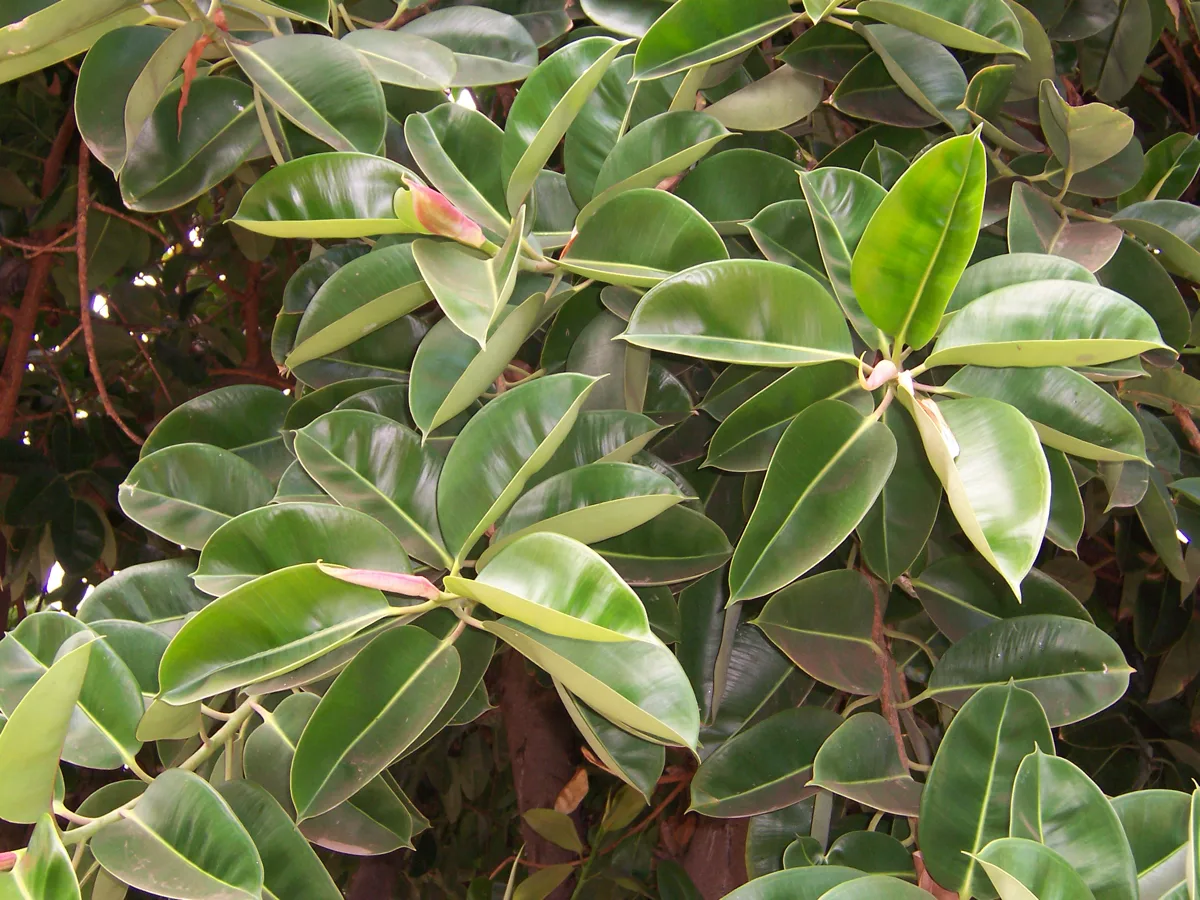
Rubber Tree Burgundy
Ficus elastica 'Burgundy'
 Non-toxic to pets
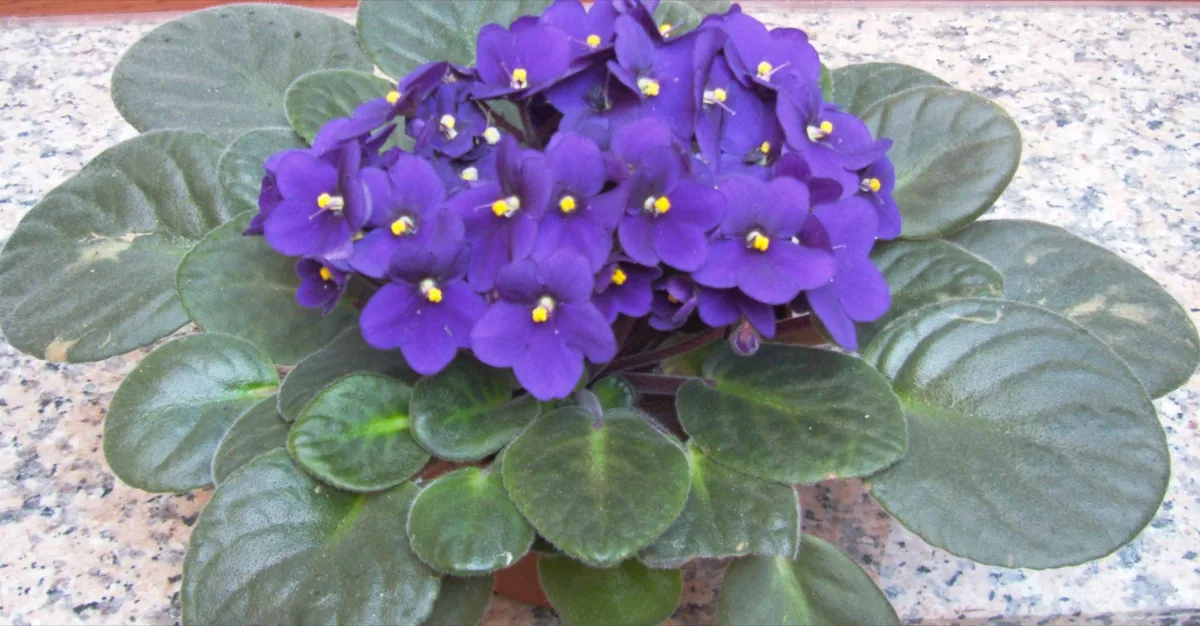
African Violet
Saintpaulia ionantha
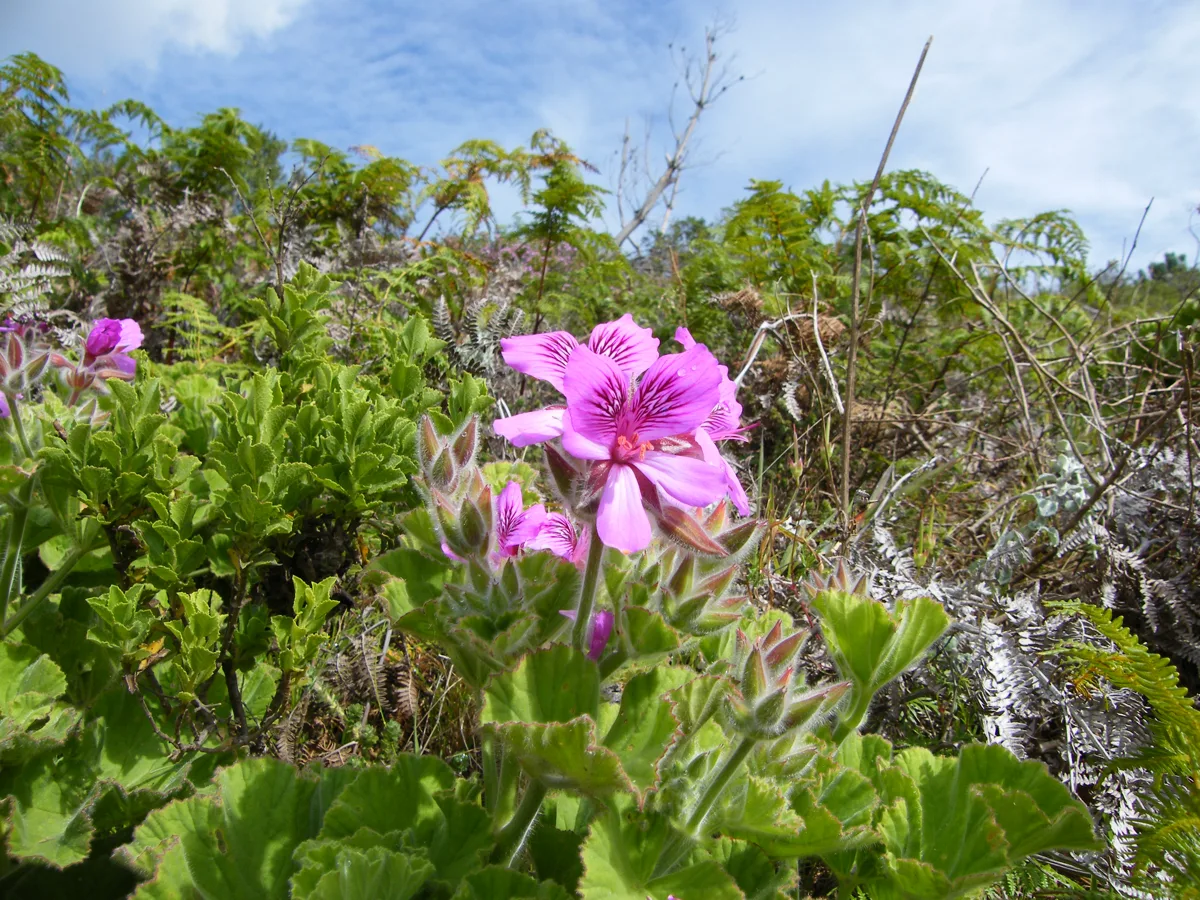
Citronella Plant
Pelargonium 'Citrosum'
 Non-toxic to pets
Polka Dot Plant
Hypoestes phyllostachya
Free care tools
Keep your Purple Shamrock thriving.
Get a watering schedule for your conditions, or work out what's wrong when something looks off.