Indoor Plants
Money Tree
Pachira glabra
In short: Bright indirect light · medium water needs · non-toxic to cats and dogs (ASPCA)
With its iconic braided trunk and lush canopy, the Money Tree brings tropical charm to any space and is associated with good fortune in feng shui.
- Light
- Bright Indirect
- Water
- Medium
- Humidity
- Average
- Growth
- Medium
- Mature size
- 3-6 feet indoors
- Temperature
- 60–80°F (16–27°C)
Money Trees rarely bloom indoors. In the wild, they produce large, showy flowers with creamy petals and long red stamens, followed by large seed pods. Indoor pl...
Last updated
Overview
Why Everyone Loves the Money Tree
The Money Tree (usually Pachira glabra, often sold as P. aquatica) has become a widely grown houseplant, thanks to its graceful braided trunk, easy-care nature, and the promise of good luck and prosperity from feng shui tradition. Whether or not it brings fortune, it definitely brings style.
A Statement Plant That's Easy to Love
With its palmate leaves fanning out in clusters of five (said to represent the five elements of feng shui), the Money Tree creates an instant tropical vibe. Most are sold with their trunks braided into an elegant twist, though they grow naturally with a single sturdy trunk.
Surprisingly Tough
Despite its tropical origins in Central and South American wetlands, the Money Tree adapts remarkably well to indoor conditions. It tolerates low light, bounces back from missed waterings, and grows at a steady pace that keeps things interesting without taking over the room.
Pet-Safe Choice
The Money Tree is non-toxic to cats and dogs, making it a safe addition to homes with curious pets.
Watering
Water thoroughly when the top 2-3 inches of soil are dry — roughly every 7-10 days. The trunk stores water, making it more forgiving of underwatering than overwatering. Reduce watering in winter when growth slows.
Tip: Yellow leaves usually mean overwatering. Let the soil dry out more between drinks.

Light
Bright, indirect light is ideal, but Money Trees adapt well to medium and even low light conditions. Avoid direct sun, which can scorch the leaves. Rotate the pot monthly so the canopy grows evenly and doesn't lean toward the light source.

Soil
A well-draining, peat-based potting mix works best. Add perlite or sand to improve drainage. The soil should hold some moisture but never stay waterlogged — the swampy origins don't mean it likes wet feet in a pot.
Fertilizing
Feed monthly during spring and summer with a balanced liquid fertilizer at half strength. No feeding needed in fall and winter. Over-fertilizing causes more harm than under-fertilizing.

Propagation
Propagate from stem cuttings taken in summer. Cut a 4-6 inch piece with several leaf nodes, let it callous overnight, then root in water or moist perlite. Rooting takes 4-6 weeks. Seeds germinate easily but are hard to source outside the tropics.

Repotting
Repot every 2-3 years in spring, going up one pot size. Money Trees don't mind being slightly root-bound, so no rush. Ensure the new pot has drainage holes.

Common problems
Leaf drop: Cold drafts, overwatering, or sudden relocation. Give it time to adjust after moving.
Braided trunk softening: Root rot from overwatering — reduce frequency and check for mushy roots.
Brown leaf tips: Low humidity or fluoride in tap water.
Leggy growth: Not enough light — move to a brighter spot and prune to encourage fullness.
Pro tips
Continue the braid: As the trunk grows, gently braid new growth and secure loosely with string — remove the tie once the trunk holds its shape.
Feng shui placement: Traditionally placed in the southeast corner (the "wealth" area) or near the front entrance.
Stabilize tall plants: Use a moss pole or stake for top-heavy specimens.
FAQ
Money Tree questions
Starter kit
Get set up for your Money Tree
Untick anything you already have.
The basics

Extras for your Money Tree
Was this helpful?
Your answer helps us improve this page.
Your answer didn't go through. Please try again.
Thanks for your feedback!
Similar plants
Plants like this one
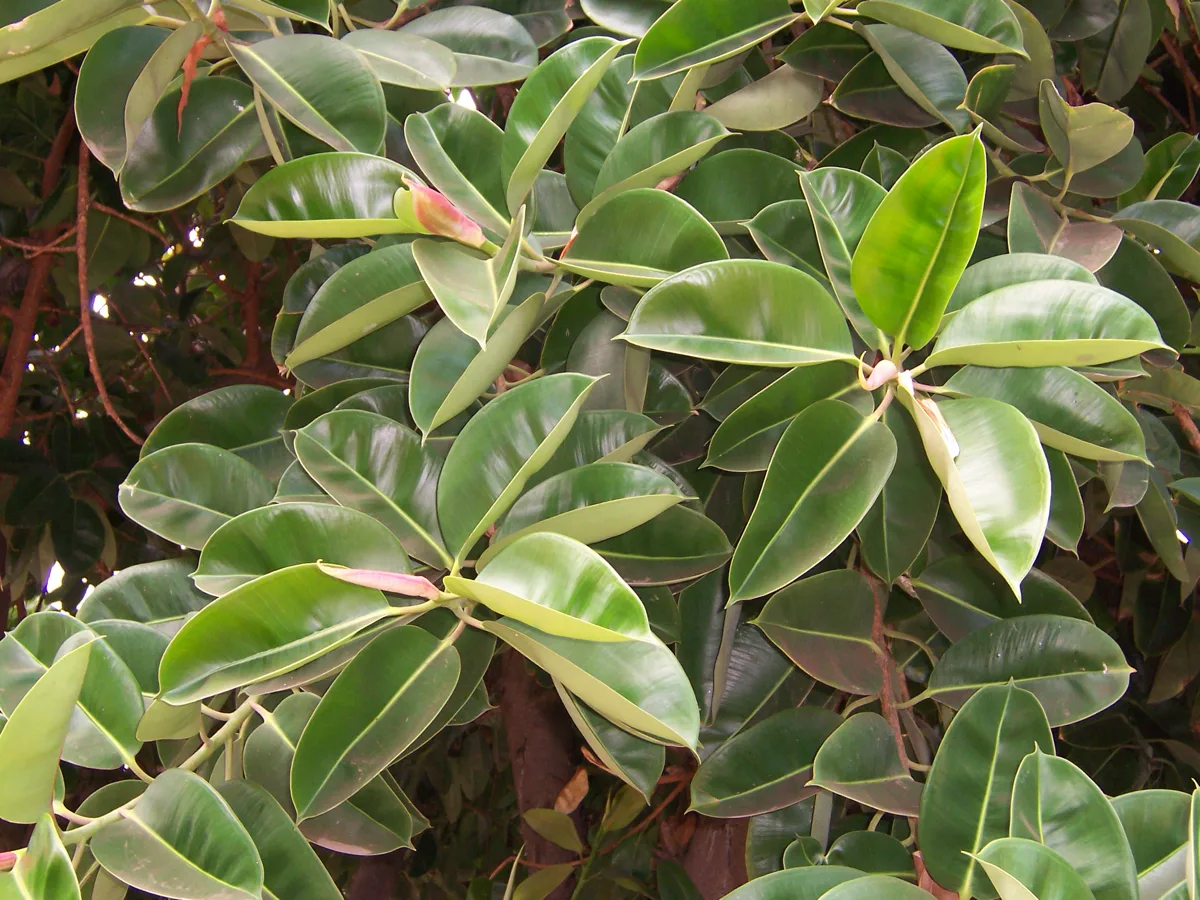
Rubber Tree Tineke
Ficus elastica 'Tineke'
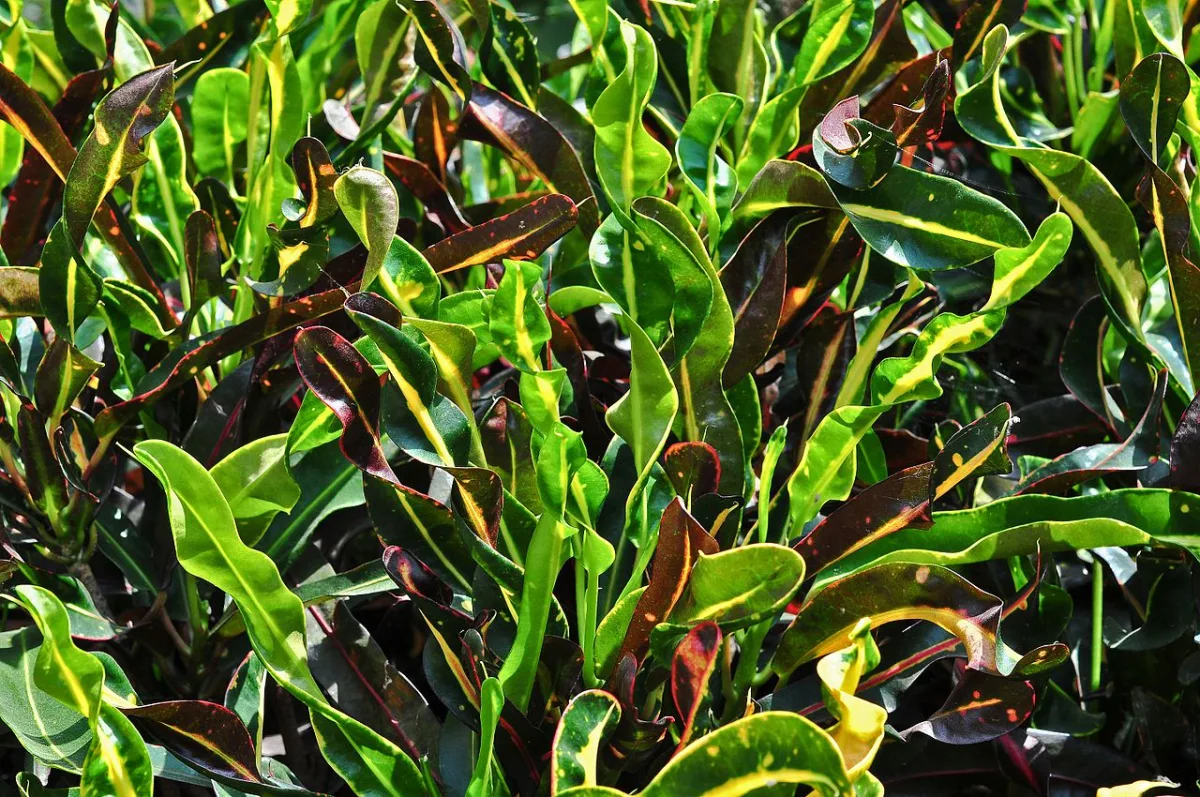
Croton
Codiaeum variegatum
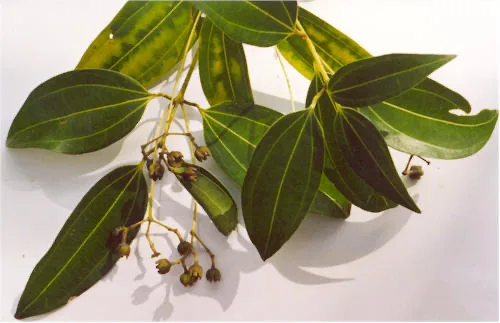 Non-toxic to pets
Cinnamon Plant
Cinnamomum verum

ZZ Plant
Zamioculcas zamiifolia
Free care tools
Keep your Money Tree thriving.
Get a watering schedule for your conditions, or work out what's wrong when something looks off.