Indoor Plants
Cinnamon Plant
Cinnamomum verum
In short: Bright indirect light · medium water needs · non-toxic to cats and dogs (ASPCA)
Grow the real source of cinnamon right on your windowsill — glossy aromatic leaves and a warm spicy scent make this a delightful houseplant.
- Light
- Bright Indirect
- Water
- Medium
- Humidity
- High
- Growth
- Moderate
- Mature size
- 4-6 feet indoors
- Temperature
- 60–90°F (16–32°C)
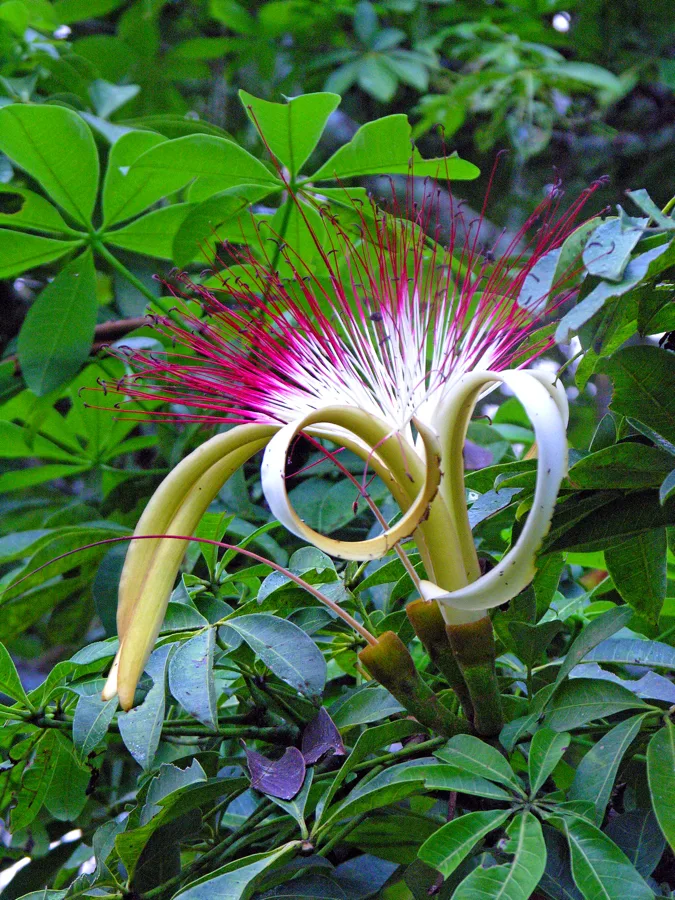
Spring · May produce clusters of small, pale yellow-green flowers in spring when mature. The flowers have a subtle sweet scent. Indoor blooming is uncommon but...
Last updated
Overview
Grow Real Cinnamon at Home
Yes, this is the actual plant that produces the cinnamon spice you love. Cinnamomum verum grows beautifully as an indoor tree, filling your space with glossy leaves and a subtle warm fragrance whenever you brush past it.
More Than a Spice Rack Plant
While you probably won't harvest enough bark for your morning oatmeal, the Cinnamon Plant is a gorgeous houseplant in its own right. New leaves emerge in stunning shades of pink and bronze before maturing to deep, glossy green.
Aromatic Leaves
Gently rub a leaf between your fingers and you'll be rewarded with that unmistakable warm, spicy cinnamon scent. It's one of the few houseplants that engages your sense of smell as much as your eyes.
Tropical Heritage
Native to Sri Lanka, the Cinnamon Plant has been treasured since ancient times, and historical accounts describe cinnamon as a costly luxury. Today, it makes a unique and aromatic indoor companion.

Watering
Water when the top inch of soil feels dry — about once a week in warm months, every 10-14 days in winter. Cinnamon plants like consistent moisture but not soggy roots. Use room-temperature water and ensure thorough drainage each time.

Light
Bright indirect light with some morning sun is ideal. An east or south-facing window with a sheer curtain works perfectly. Can tolerate a few hours of direct morning sun. Low light slows growth and reduces the aromatic oil production in leaves.

Soil
Use a rich, well-draining potting mix. Combine standard potting soil with perlite and compost in a 2:1:1 ratio. Slightly acidic soil is preferred. Good drainage is essential as the roots are prone to rot in waterlogged conditions.

Fertilizing
Feed every 2-3 weeks during spring and summer with a balanced liquid fertilizer at half strength. Reduce to monthly in fall and stop in winter. A slow-release granular fertilizer applied in spring also works well.

Propagation
Propagate from semi-hardwood stem cuttings taken in summer. Dip in rooting hormone and plant in moist perlite or vermiculite. Cover with a humidity dome. Rooting takes 8-12 weeks. Seeds are also viable but very slow to germinate.

Repotting
Repot every 2-3 years in spring, moving up one pot size. Cinnamon plants can become top-heavy, so choose a sturdy pot. Refresh the soil to replenish nutrients and improve drainage around the roots.

Common problems
Brown leaf tips: Low humidity — increase with misting or a pebble tray.
Dropping leaves: Cold drafts or sudden temperature changes.
Leggy growth: Insufficient light — prune and move to a brighter spot.
Pale leaves: Needs more nutrients — resume fertilizing schedule.
Pro tips
Scratch and sniff: Gently scratch a small section of stem bark — you'll smell real cinnamon.
New leaf color: Don't worry when new leaves emerge pink or bronze — they'll mature to green.
Pruning for shape: Prune regularly to maintain a bushy, compact form instead of a lanky tree.
FAQ
Cinnamon Plant questions
Starter kit
Get set up for your Cinnamon Plant
Untick anything you already have.
The basics

Extras for your Cinnamon Plant
Was this helpful?
Your answer helps us improve this page.
Your answer didn't go through. Please try again.
Thanks for your feedback!
Similar plants
Plants like this one

Dracaena
Dracaena marginata
 Non-toxic to pets
Norfolk Island Pine
Araucaria heterophylla

Philodendron Birkin
Philodendron 'Birkin'
 Non-toxic to pets
Money Tree
Pachira glabra
Free care tools
Keep your Cinnamon Plant thriving.
Get a watering schedule for your conditions, or work out what's wrong when something looks off.