Succulents & Cacti
Prickly Pear Cactus
Opuntia ficus-indica
In short: Direct light · low water needs · non-toxic to cats and dogs (ASPCA)
Iconic paddle-shaped desert cactus with showy flowers and edible fruit. Extremely drought-tolerant and full of southwestern charm.
- Light
- Direct
- Water
- Low
- Humidity
- Low
- Growth
- Medium
- Mature size
- 1-5 feet indoors
- Temperature
- 25–100°F (-4–38°C)
Spring-Summer · Produces large, showy flowers in yellow, orange, red, or pink in spring/summer. Flowers last a few days each. Followed by colorful edible pear-s...
Last updated
Overview
Prickly Pear Cactus: Desert Icon
The Prickly Pear is the quintessential cactus — flat, paddle-shaped stems (called pads or nopales) armed with spines and tiny hair-like glochids. In spring, it produces stunning flowers followed by colorful edible fruit.
Tougher Than Tough
Virtually indestructible in the right conditions, Prickly Pear thrives in full sun and dry soil. It has evolved to survive extreme heat, cold, and drought — some species tolerate temperatures below freezing.
Edible and Useful
- Pads (nopales) are eaten as vegetables in Mexican cuisine
- Fruit (tunas) made into jams, candies, and drinks
- Traditional medicinal uses for centuries
- Ornamental value with stunning spring blooms
A single pad stuck in dry soil will root and grow — it is that resilient.
Watering
Water sparingly — every 2-4 weeks in summer, rarely or not at all in winter. Soil must dry completely between waterings. Extremely drought-tolerant. Overwatering causes rot faster than almost anything else. Less is always more.

Light
Full, direct sunlight — at least 6-8 hours daily. South or west-facing window is essential indoors. Cannot thrive in low light. Outdoors, full sun is ideal. One of the few houseplants that genuinely wants as much sun as possible.

Soil
Very fast-draining cactus mix with extra sand or pumice. Or blend potting soil with coarse sand and perlite 1:1:1. Drainage is critical. Unglazed terracotta is the best pot choice.

Fertilizing
Feed once in early spring with cactus fertilizer at half strength. Very light feeder. No additional fertilizer needed throughout the year.
Propagation
Incredibly easy. Remove a pad, let the cut dry for 3-5 days until calloused, then stick the bottom third into dry cactus mix. Do not water for 2 weeks. Roots form in 3-4 weeks. Use tongs and thick gloves — glochids are sneaky.
Repotting
Every 3-4 years or when outgrowing its pot. Use thick leather gloves and wrap the plant in newspaper for handling. Choose a heavy, wide pot to prevent tipping. Terracotta works best.

Common problems
Soft, mushy pads: Overwatering and rot. Remove affected pads, let dry, reduce watering drastically.
Shriveling: Actually underwatered (rare) or too cold. Water lightly and move to warmth.
Etiolated (stretching): Not enough light. Move to full sun.
Black spots: Fungal infection from too much moisture. Improve ventilation and reduce watering.
Pro tips
Glochid warning: The tiny hair-like spines (glochids) are worse than the big spines — invisible and very irritating. Always use tongs and gloves.
Cold-hardy options: Some Opuntia species survive snow and temperatures to -20°F. Research your specific variety.
Edible pads: Young pads (nopales) are a delicious, nutritious food staple in Mexican cuisine.
FAQ
Prickly Pear Cactus questions
Starter kit
Get set up for your Prickly Pear Cactus
Untick anything you already have.
The basics

Extras for your Prickly Pear Cactus
Was this helpful?
Your answer helps us improve this page.
Your answer didn't go through. Please try again.
Thanks for your feedback!
Similar plants
Plants like this one
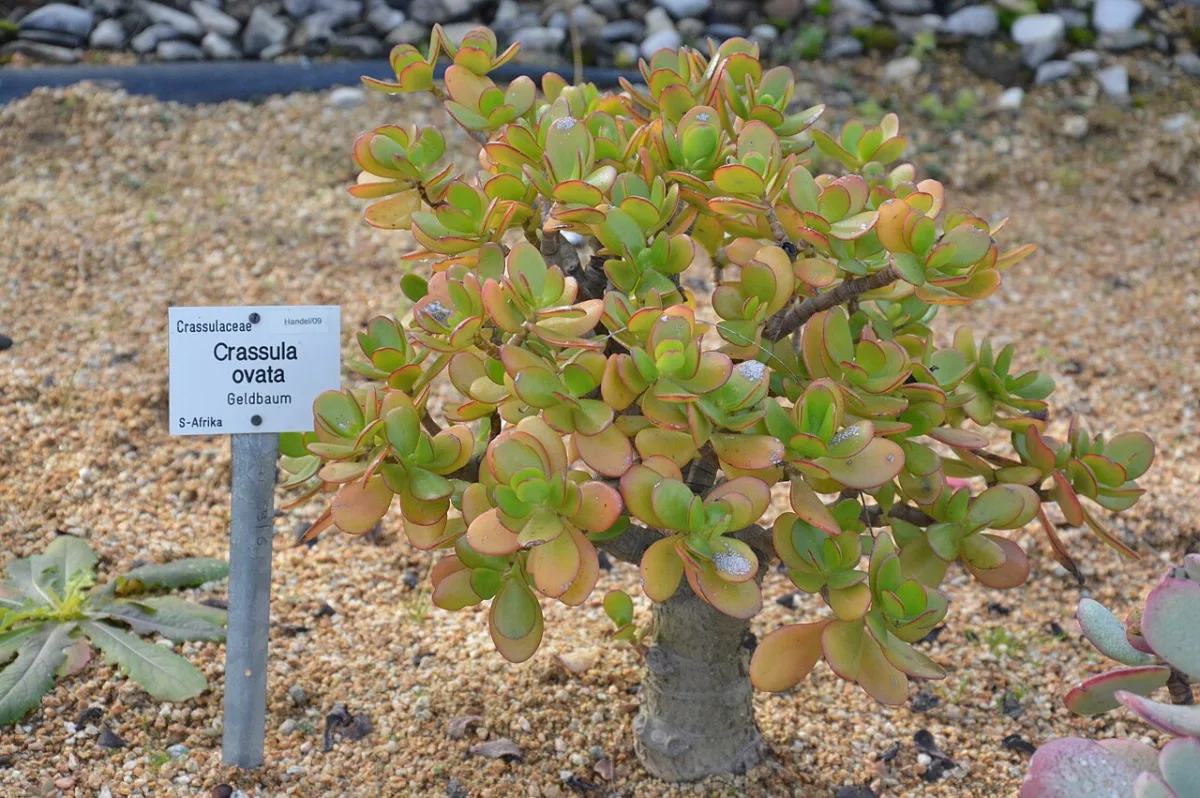
Jade Plant
Crassula ovata
 Non-toxic to pets
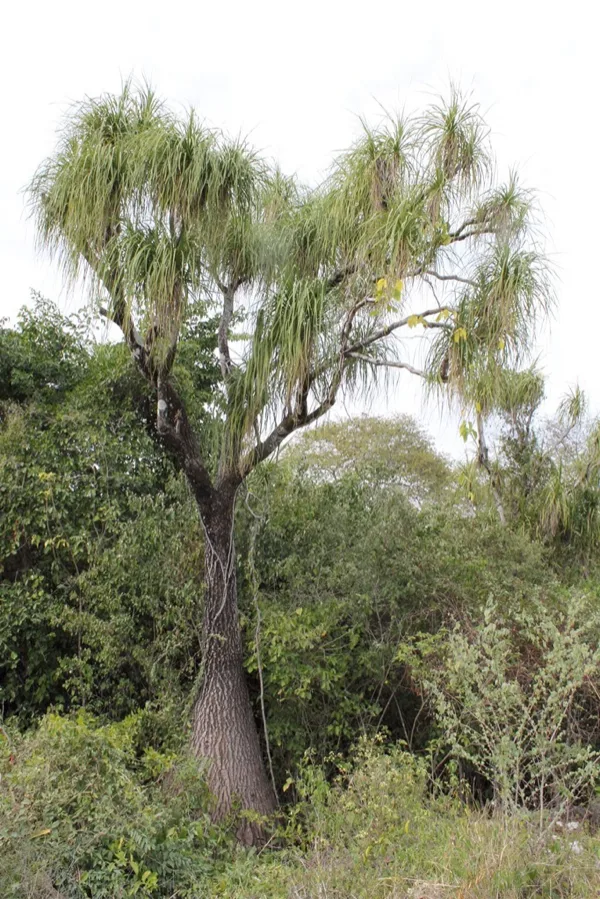
Ponytail Palm
Beaucarnea recurvata
 Non-toxic to pets
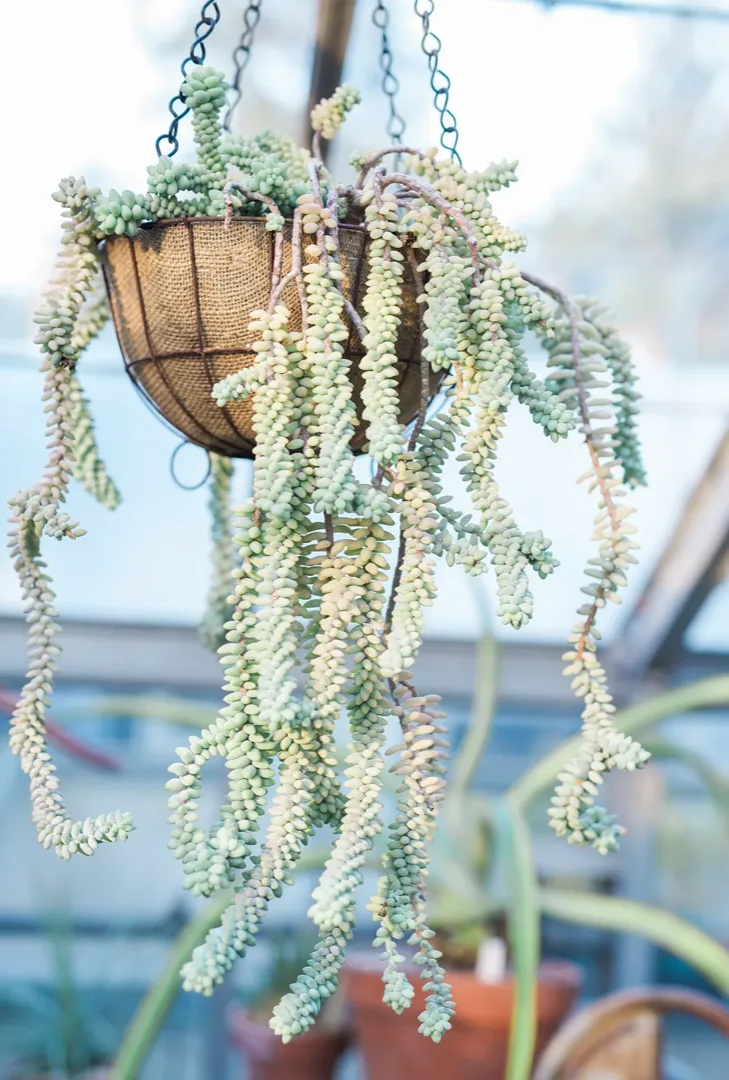
Burro's Tail
Sedum morganianum
 Non-toxic to pets
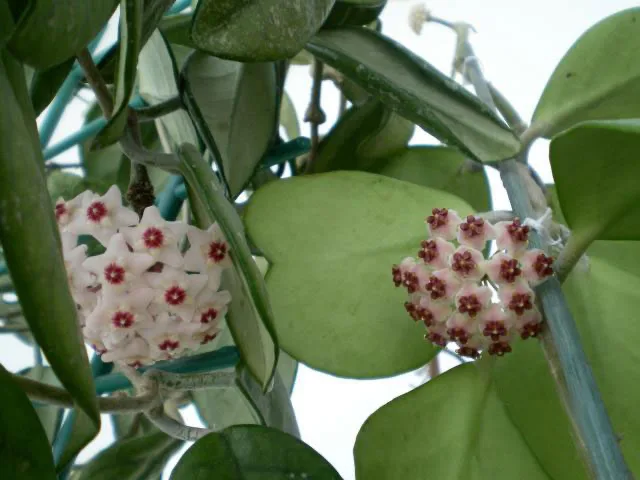
Hoya Kerrii
Hoya kerrii
Free care tools
Keep your Prickly Pear Cactus thriving.
Get a watering schedule for your conditions, or work out what's wrong when something looks off.