Succulents & Cacti
Ponytail Palm
Beaucarnea recurvata
In short: Bright indirect light · low water needs · non-toxic to cats and dogs (ASPCA)
A quirky, drought-tolerant plant with a bulbous trunk and cascading curly leaves — perfect for forgetful plant parents.
- Light
- Bright Indirect
- Water
- Low
- Humidity
- Low
- Growth
- Slow
- Mature size
- 3-4 feet indoors
- Temperature
- 50–85°F (10–29°C)
Ponytail Palms very rarely bloom indoors. Outdoor specimens may produce tall spikes of small creamy-white flowers after reaching maturity — which can take decad...
Last updated
Overview
Why the Ponytail Palm Steals Hearts
The Ponytail Palm (Beaucarnea recurvata) isn't actually a palm at all — it's a succulent! Its swollen, bulbous trunk stores water like a camel, and the long, curly leaves cascade downward like a cascading ponytail. It's quirky, sculptural, and practically indestructible.
The Forgetter's Dream Plant
If you tend to forget about your plants for days (or weeks), the Ponytail Palm is your soulmate. That thick, woody trunk is actually a water reservoir, allowing it to survive extended dry spells without complaint. It's one of the most forgiving houseplants you can own.
Slow and Steady
This is a slow grower indoors, adding just a few inches per year. But over time, a small tabletop specimen can become an impressive floor plant with a thick, elephant-foot trunk. Some specimens are decades old and treasured as family heirlooms.
Safe for Pets
Non-toxic to both cats and dogs, so the playful cascading leaves are safe even if your pets decide to bat at them.
Watering
Allow the soil to dry out completely between waterings. In summer, water every 2-3 weeks; in winter, once a month or even less. The bulbous trunk stores plenty of water. Overwatering is the number one killer of Ponytail Palms — when in doubt, skip a watering.
Tip: A mushy or soft trunk base signals root rot from overwatering.

Light
Prefers bright light and can handle some direct sun — a south-facing window is ideal. It tolerates lower light but grows even more slowly and may become leggy. The more light it gets, the faster the trunk will thicken and the leaves will stay compact.

Soil
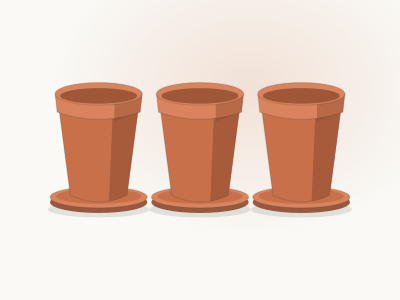
Use a fast-draining cactus or succulent mix. Add extra perlite or coarse sand if drainage seems slow. A terracotta pot helps wick away excess moisture, which this plant appreciates.
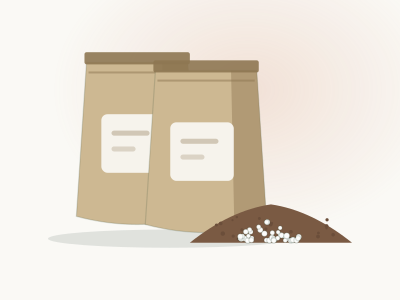
Fertilizing
Feed sparingly — once or twice during spring and summer with a balanced liquid fertilizer at half strength. This slow grower needs very little supplemental nutrition.
Propagation
Occasionally produces offsets (pups) at the base of the trunk. Carefully separate these with a clean knife when they're at least 4 inches tall, let the cut callous for a day, then plant in dry cactus mix. Not the easiest to propagate but rewarding.
Repotting
Repot only every 3-4 years — they love being root-bound. Use a shallow, heavy pot to prevent tipping from the top-heavy canopy. Spring is the best time.
Common problems
Soft, mushy trunk: Root rot from overwatering — the most common problem. Reduce watering immediately.
Brown leaf tips: Usually natural aging. Trim with scissors for a tidier look.
Yellowing leaves: Overwatering or poor drainage.
Leaning: Reaching for light — rotate regularly and provide brighter conditions.
Pro tips
Go terracotta: Clay pots absorb excess moisture and are ideal for this drought-lover.
Skip the misting: This plant doesn't need or want humidity — dry air is perfectly fine.
Thicken the trunk: More light = faster trunk growth. Give it the brightest spot you have.
Clean leaves: Wipe the long leaves occasionally to prevent dust buildup.
FAQ
Ponytail Palm questions
Starter kit
Get set up for your Ponytail Palm
Untick anything you already have.
The basics

Extras for your Ponytail Palm
Was this helpful?
Your answer helps us improve this page.
Your answer didn't go through. Please try again.
Thanks for your feedback!
Similar plants
Plants like this one
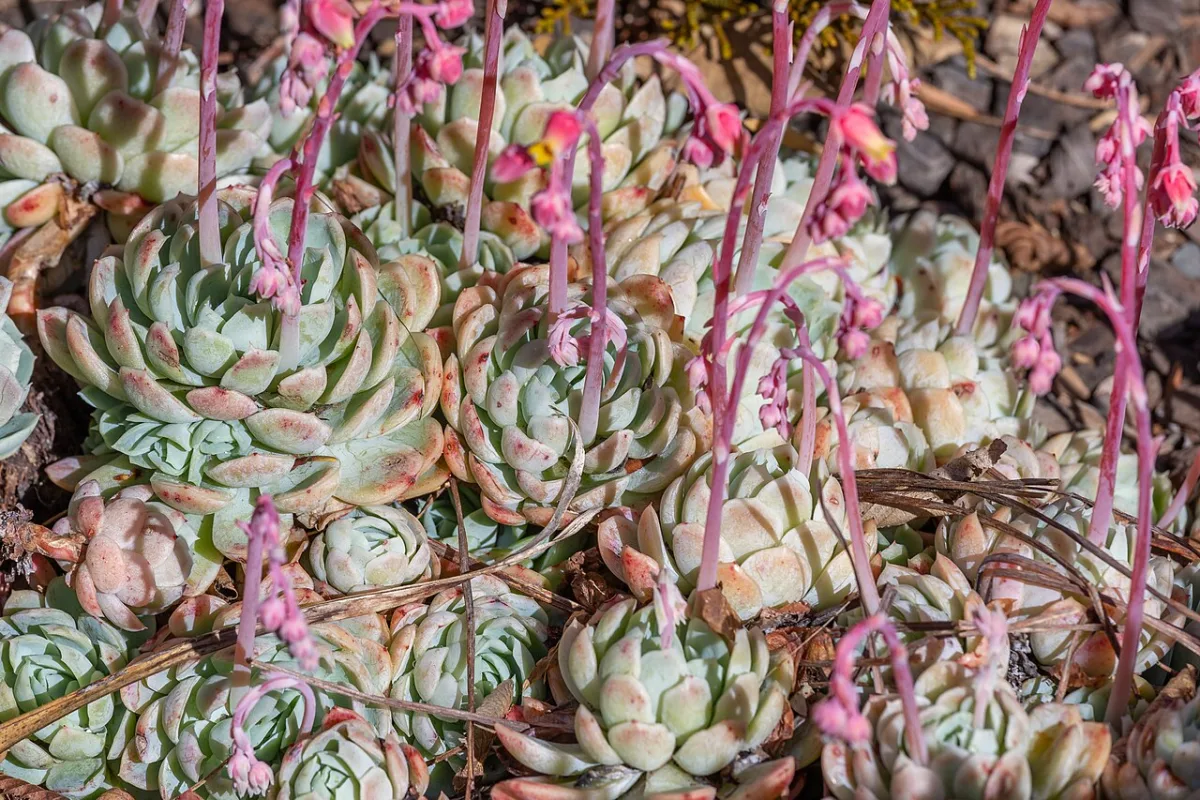 Non-toxic to pets
Echeveria
Echeveria elegans
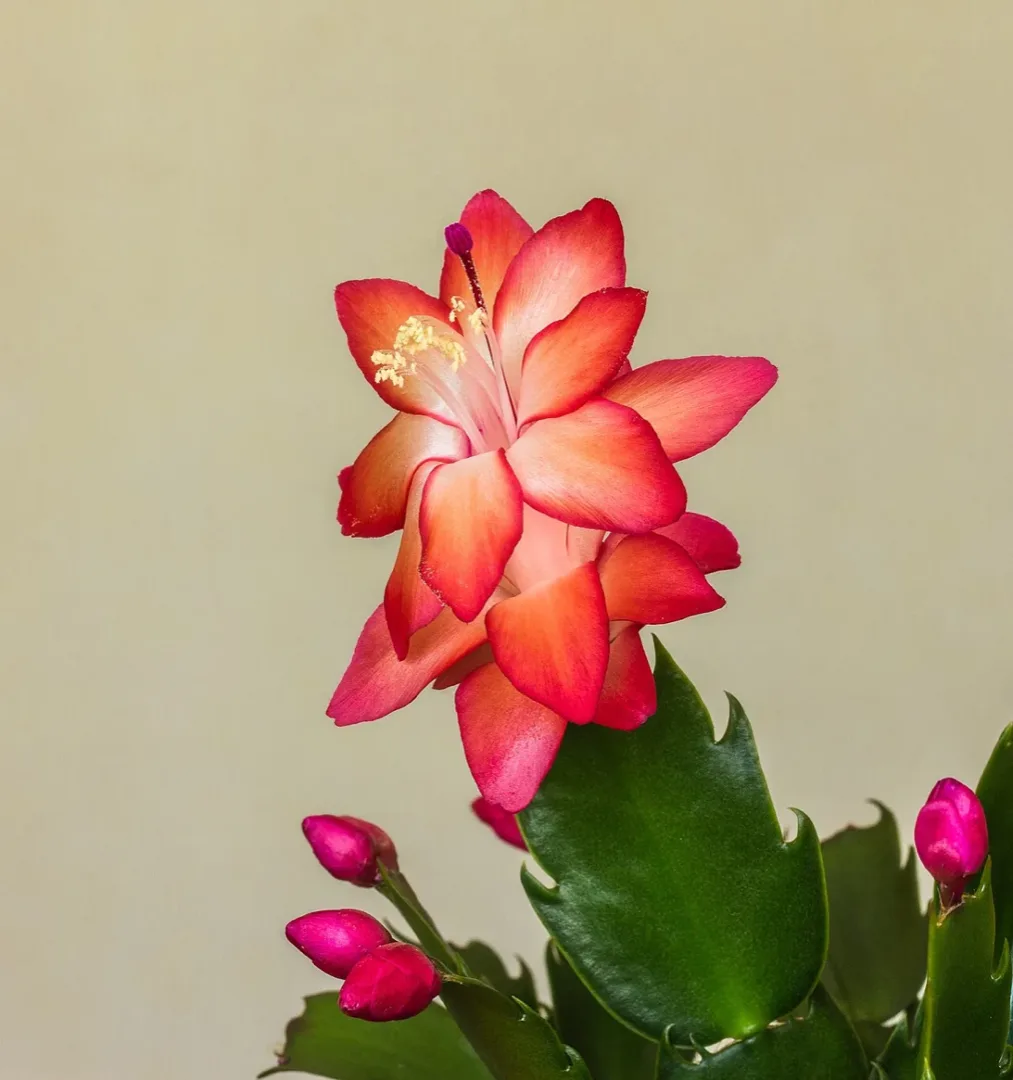 Non-toxic to pets
Christmas Cactus
Schlumbergera bridgesii
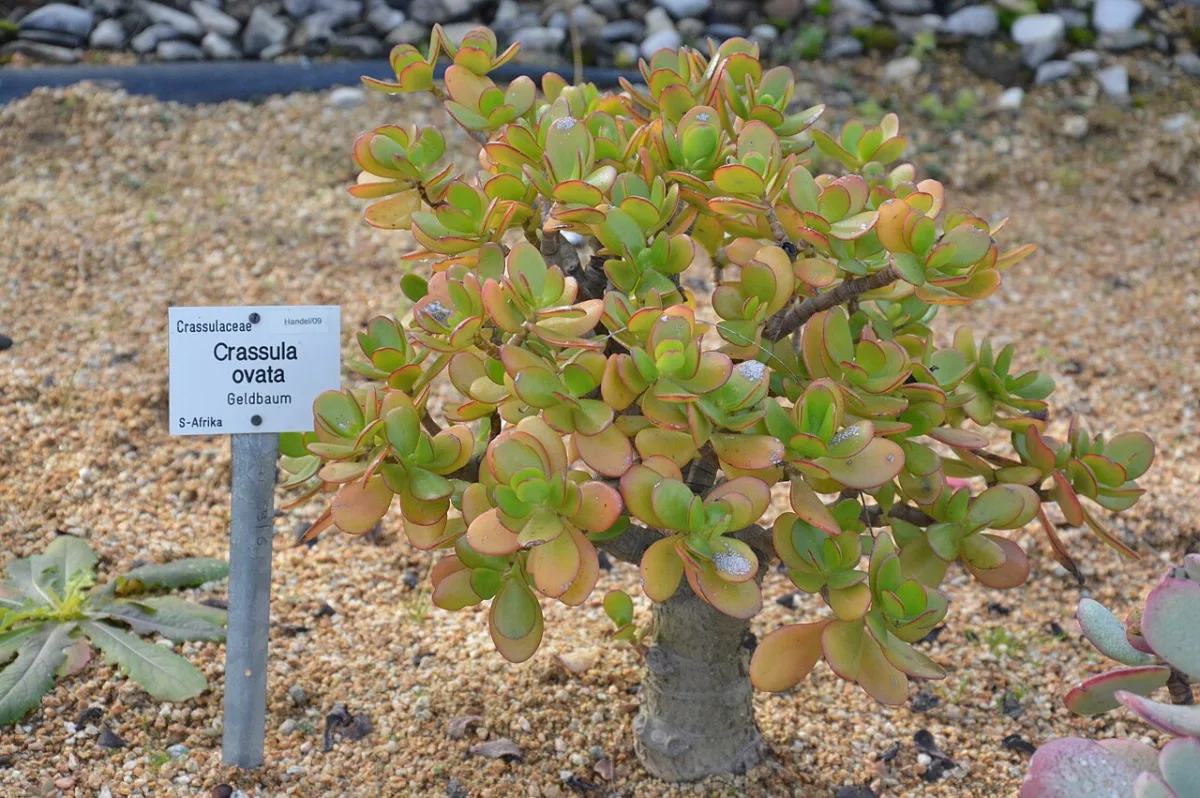
Jade Plant
Crassula ovata
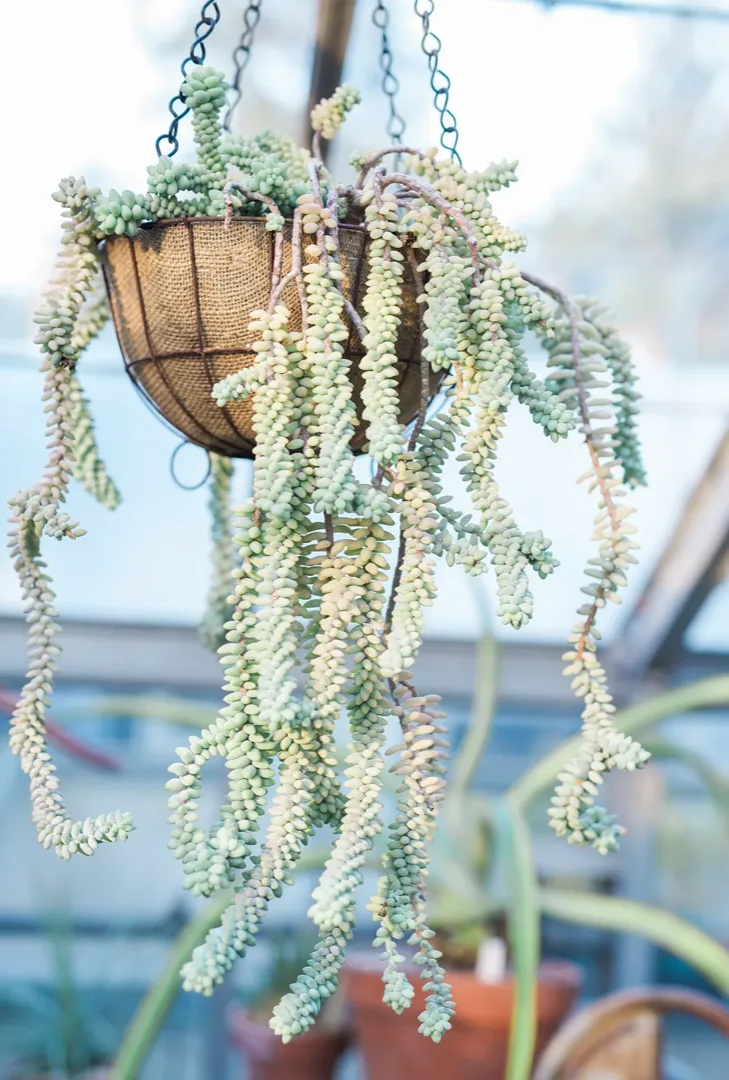 Non-toxic to pets
Burro's Tail
Sedum morganianum
Free care tools
Keep your Ponytail Palm thriving.
Get a watering schedule for your conditions, or work out what's wrong when something looks off.