Indoor Plants
Citronella Plant
Pelargonium 'Citrosum'
In short: Bright direct light · medium water needs · toxic to cats and dogs (ASPCA)
Fresh lemony-scented leaves that brighten any room — a fragrant houseplant often sold as a "mosquito plant."
- Light
- Bright Direct
- Water
- Medium
- Humidity
- Low
- Growth
- Fast
- Mature size
- 2-3 feet indoors
- Temperature
- 50–85°F (10–29°C)
Spring, Summer · Produces small clusters of lavender-pink flowers in spring and summer. The blooms are pretty but modest — the fragrant foliage is the real star...
Last updated
Overview
The Citronella Plant: Fragrant & Functional
The Citronella Plant fills your home with a fresh, lemony fragrance every time you brush past its lacy leaves. While often marketed as a mosquito repellent plant, it's truly valued for its delightful scent and easy-going nature.
Lemon-Scented Geranium Family
Technically a scented geranium (Pelargonium), this plant produces deeply lobed, textured leaves that release a strong citronella-like fragrance when touched. It's a cousin of the popular garden geranium with the added benefit of aromatic oils.
Indoor-Outdoor Versatility
The Citronella Plant thrives on a sunny windowsill, patio table, or garden border. It's fast-growing, easy to propagate, and responds beautifully to regular pinching — giving you a bushy, fragrant plant that keeps on giving.
More Than Mosquito Claims
While the scent is pleasant to us, field studies have found little evidence that it repels mosquitoes. But as a fragrant, easy houseplant, it truly shines.
Watering
Water when the top inch of soil dries out — typically every 5-7 days. Citronella plants prefer to dry slightly between waterings rather than stay constantly moist. Reduce watering in winter. Good drainage prevents root rot.
Tip: Droopy leaves usually mean it needs water — it bounces back quickly.

Light
Full sun to bright indirect light. At least 6 hours of bright light daily keeps the plant compact and fragrant. South or west-facing windows are ideal. Insufficient light causes leggy growth and weaker scent.

Soil
Standard well-draining potting mix works perfectly. Add extra perlite for improved drainage. Not fussy about soil — it grows well in most commercial potting mixes as long as water drains freely.

Fertilizing
Feed every 2 weeks during the growing season with a balanced liquid fertilizer at half strength. Generous feeding promotes lush, fragrant foliage. Stop in late fall and winter when growth naturally slows down.

Propagation
Incredibly easy from stem cuttings. Take 4-inch cuttings, remove lower leaves, and place in moist potting mix. Roots develop in 2-3 weeks. You can also root in water first. Share cuttings generously — they root reliably.

Repotting
Repot annually in spring as this fast grower fills pots quickly. Move up one pot size or trim roots and refresh soil to maintain current size. They respond well to being slightly root-bound.

Common problems
Leggy growth: Not enough light — move to a sunnier spot and pinch tips regularly.
Yellowing lower leaves: Overwatering or natural leaf shedding — reduce water frequency.
Weak scent: Insufficient light — more sun means more aromatic oils.
Whiteflies: Common pest — treat with insecticidal soap.
Pro tips
Pinch often: Regular pinching creates a full, bushy shape and releases wonderful fragrance in the process.
Patio summer: Move outdoors in summer — it thrives in warm sun and grows vigorously.
Dry leaves for sachets: Dry pruned leaves and place in linen closets for a natural fresh scent.
FAQ
Citronella Plant questions
Starter kit
Get set up for your Citronella Plant
Untick anything you already have.
The basics

Extras for your Citronella Plant
Was this helpful?
Your answer helps us improve this page.
Your answer didn't go through. Please try again.
Thanks for your feedback!
Similar plants
Plants like this one
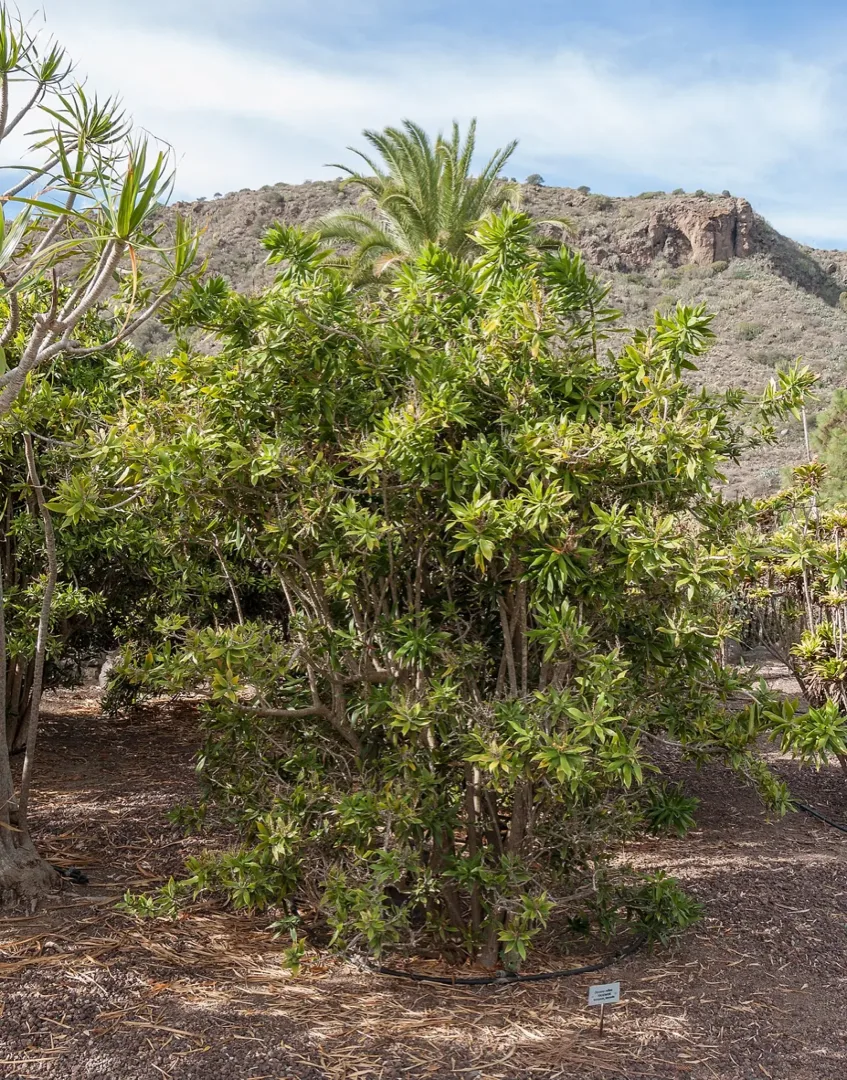
Dracaena
Dracaena marginata
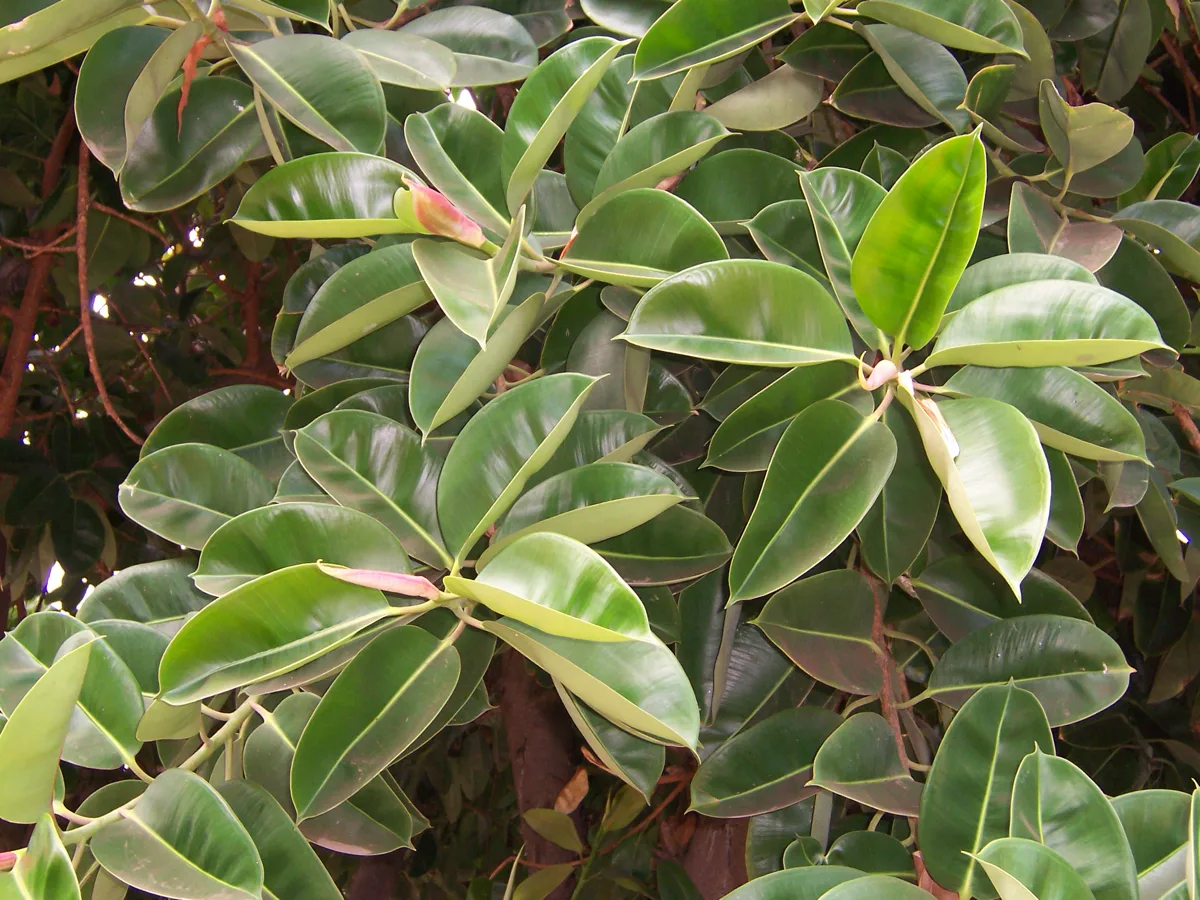
Rubber Tree Tineke
Ficus elastica 'Tineke'
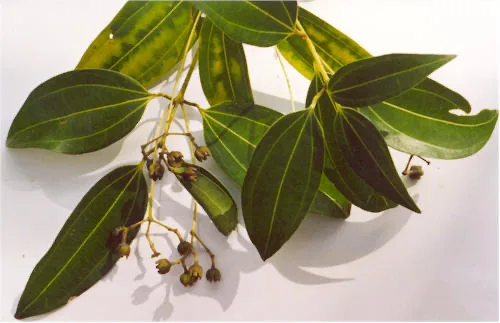 Non-toxic to pets
Cinnamon Plant
Cinnamomum verum
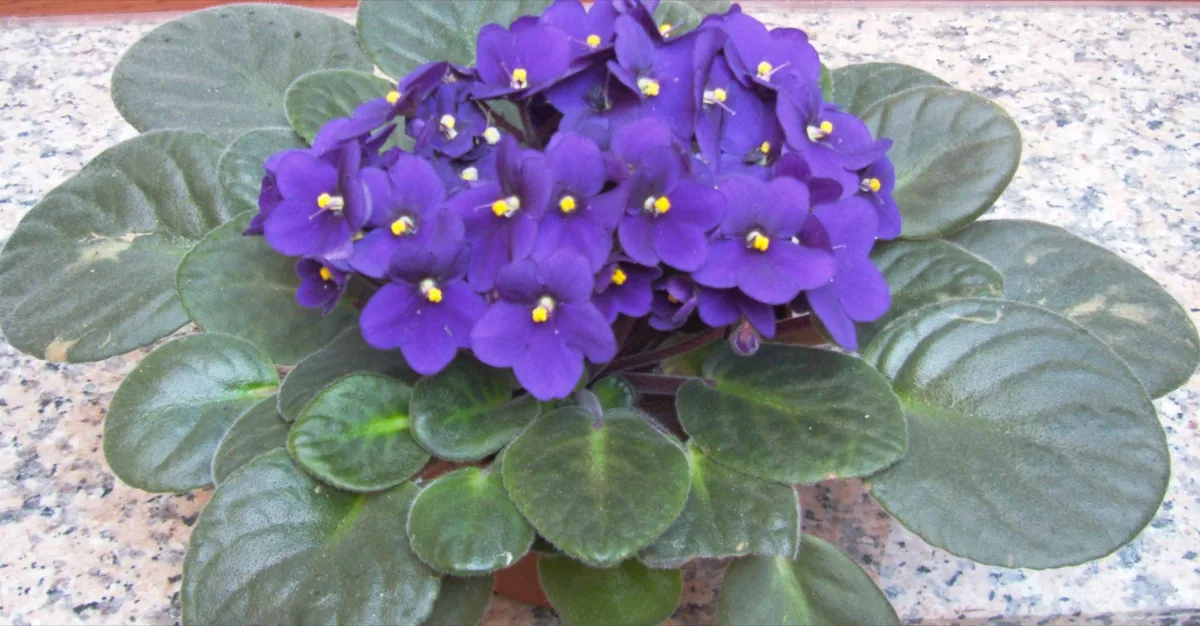 Non-toxic to pets
African Violet
Saintpaulia ionantha
Free care tools
Keep your Citronella Plant thriving.
Get a watering schedule for your conditions, or work out what's wrong when something looks off.