Succulents & Cacti
Hoya Kerrii
Hoya kerrii
In short: Bright indirect light · low water needs · non-toxic to cats and dogs (ASPCA)
The adorable heart-shaped succulent that doubles as a living valentine. Hoya Kerrii is slow-growing, low-fuss, and full of charm.
- Light
- Bright Indirect
- Water
- Low
- Humidity
- Average
- Growth
- Slow
- Mature size
- 4-6 feet trailing (mature vine)
- Temperature
- 60–80°F (16–27°C)
Summer · Mature vining plants can produce clusters of small, star-shaped pink or white flowers with a sweet fragrance. Blooming requires bright light, maturity...
Last updated
Overview
Hoya Kerrii: The Sweetheart Plant
With its perfectly heart-shaped leaves, Hoya Kerrii has become a popular gift plant. Often sold as a single rooted leaf around Valentine's Day, this charming succulent-like plant is a symbol of love and patience.
More Than Just a Leaf
Here is the secret many buyers do not know: a single leaf cutting may survive for years but rarely grows into a full plant. For a vining Hoya Kerrii with multiple leaves, look for one with a visible stem and node. A full plant is a slow-growing treasure that rewards patience beautifully.
Varieties to Love
- Classic Green: Solid green, perfectly heart-shaped leaves
- Variegata: Cream and green with occasional pink flushes
- Reverse Variegata: Green center with cream edges
- Splash: Silver speckles across the leaf surface
Succulent-Like Care
Despite being a Hoya (a tropical genus), Kerrii stores water in its thick, fleshy leaves much like a succulent. This makes it wonderfully low-maintenance and forgiving of the occasional missed watering.
Watering
Let the soil dry out almost completely between waterings. Those thick, fleshy leaves store water, so Hoya Kerrii handles drought far better than overwatering. In summer, water every 10-14 days; in winter, every 3-4 weeks. When in doubt, wait another few days.
Tip: Wrinkled leaves mean it is very thirsty. Firm, plump leaves mean all is well.

Light
Bright, indirect light is ideal. Some gentle direct morning sun is fine and can encourage blooming. Variegated varieties need more light than solid green ones. Low light slows an already slow grower to a near standstill.

Soil
A chunky, fast-draining mix is essential. Combine succulent soil with extra perlite and orchid bark. Hoya roots need air circulation — a dense, water-retentive mix leads to root rot. Terra cotta pots help wick away excess moisture.
Fertilizing
Feed sparingly — once a month in spring and summer with a balanced fertilizer at half strength. Some growers use a bloom-boosting fertilizer (higher phosphorus) to encourage flowers on mature plants. No feeding in winter.
Propagation
Stem cuttings with at least one node and leaf root easily in water or sphagnum moss. A single leaf without a node will root but almost never produces a new vine. Cuttings take 3-6 weeks to root. Be patient — growth is slow at first.
Repotting
Repot only every 3-4 years or when severely root-bound. Hoyas bloom better when snug in their pots. Choose a pot only slightly larger. Terra cotta is ideal for preventing overwatering.
Common problems
Single leaf not growing: If there is no stem node, it will stay as one leaf indefinitely — still alive but cannot vine.
Wrinkled leaves: Underwatered — give it a thorough soak and it should plump up.
Yellow leaves: Overwatering or root rot. Check roots and reduce watering.
No blooms: Needs maturity, bright light, and to be slightly root-bound. Patience is essential.
Pro tips
Buy smart: For a real growing plant, choose one with a visible stem — not just a single rooted leaf in a pot.
Never remove peduncles: Old flower stalks (peduncles) will rebloom. Cutting them means waiting for new ones to form.
Trellis or trail: As vines grow, give them something to climb for stronger growth and bigger leaves.
FAQ
Hoya Kerrii questions
Starter kit
Get set up for your Hoya Kerrii
Untick anything you already have.
The basics

Extras for your Hoya Kerrii
Was this helpful?
Your answer helps us improve this page.
Your answer didn't go through. Please try again.
Thanks for your feedback!
Similar plants
Plants like this one
 Non-toxic to pets
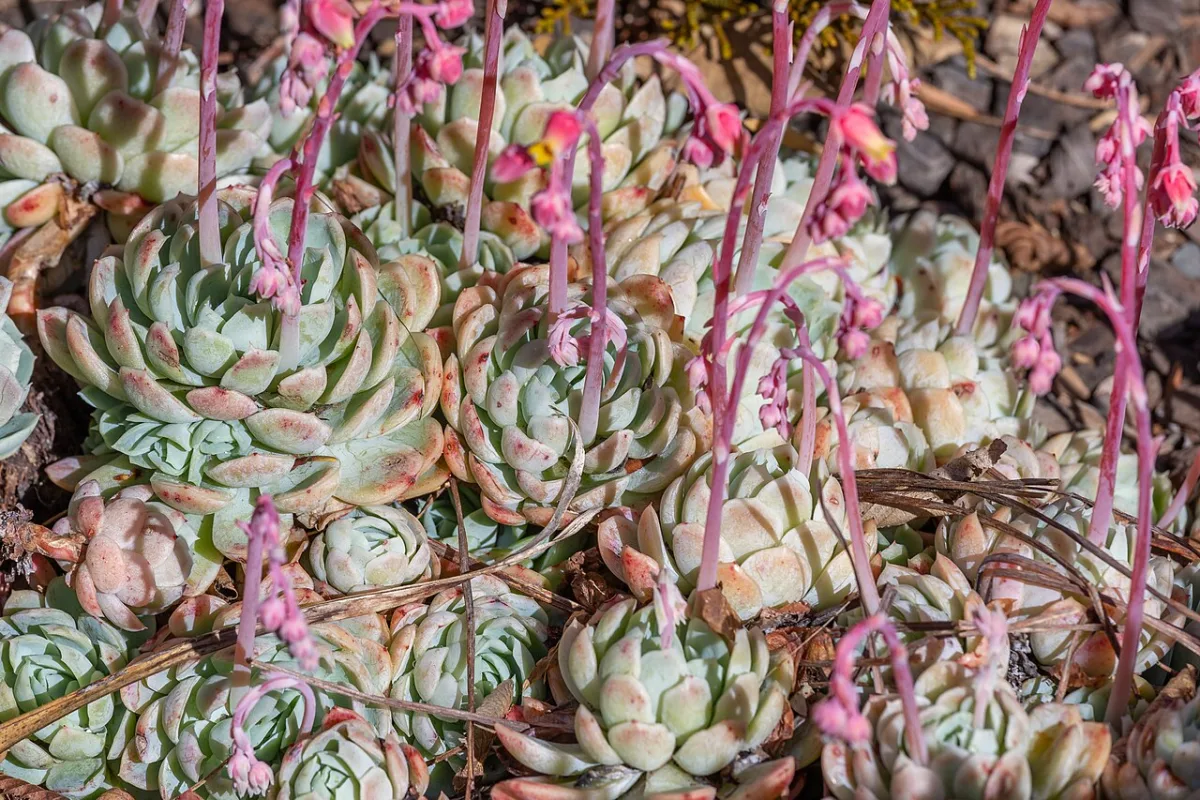
Echeveria
Echeveria elegans
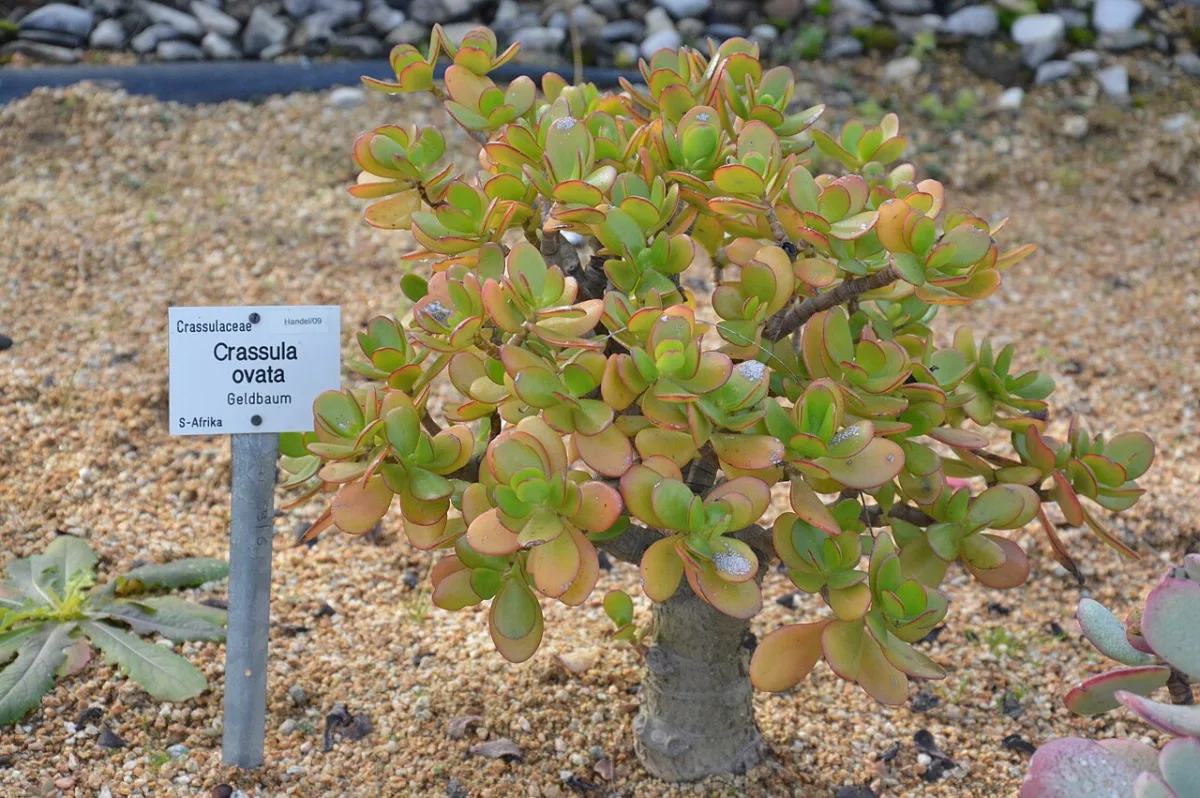
Jade Plant
Crassula ovata
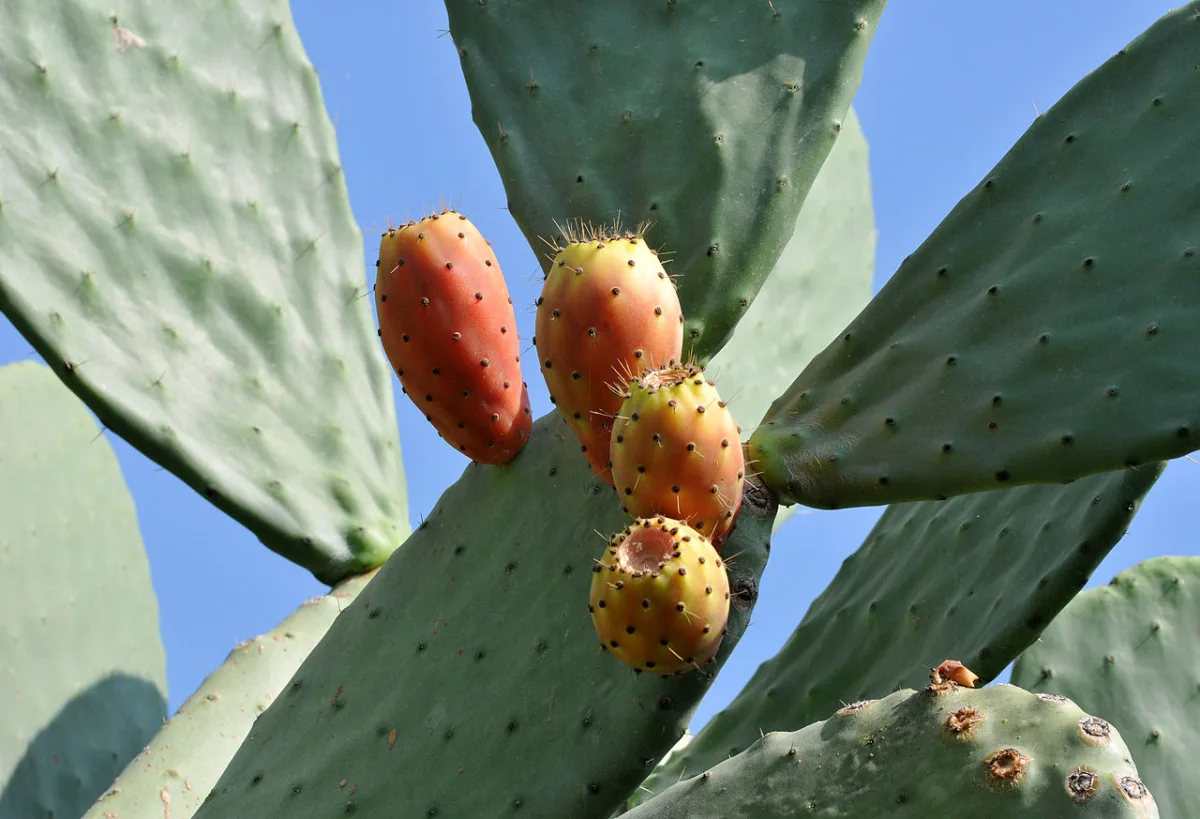 Non-toxic to pets
Prickly Pear Cactus
Opuntia ficus-indica
 Non-toxic to pets
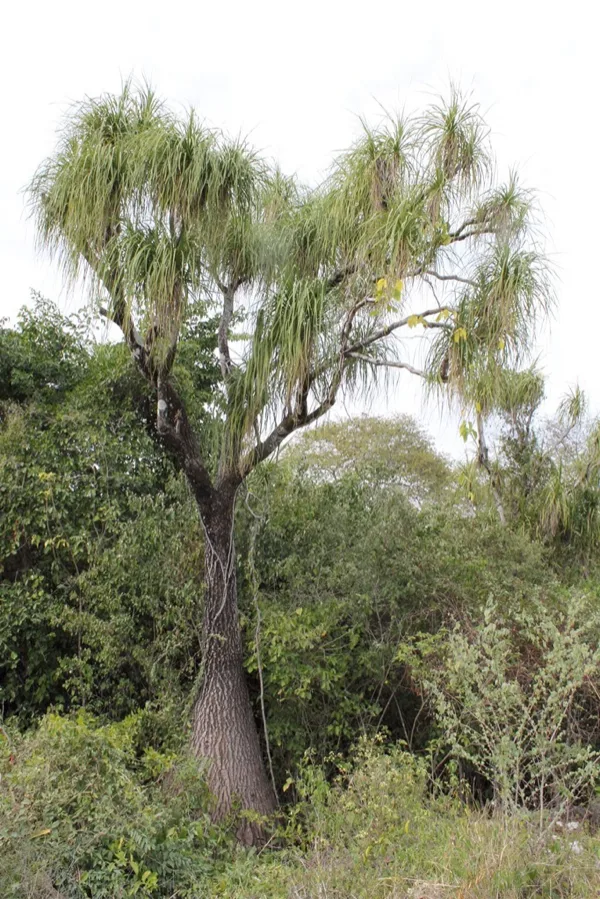
Ponytail Palm
Beaucarnea recurvata
Free care tools
Keep your Hoya Kerrii thriving.
Get a watering schedule for your conditions, or work out what's wrong when something looks off.