Indoor Plants
Yucca
Yucca elephantipes
In short: Bright direct light · low water needs · toxic to cats and dogs (ASPCA)
Bold, sword-like leaves on a thick trunk bring desert drama indoors. Yucca thrives on bright light and benign neglect.
- Light
- Bright Direct
- Water
- Low
- Humidity
- Low
- Growth
- Slow
- Mature size
- 4-8 feet indoors
- Temperature
- 50–90°F (10–32°C)
Rarely blooms indoors. In outdoor gardens, mature Yuccas produce spectacular tall spikes of white, bell-shaped flowers. Indoor specimens almost never receive en...
Last updated
Overview
Yucca: Desert Drama for Indoor Spaces
If you want a plant with real architectural presence, Yucca elephantipes delivers. A thick, woody trunk topped with rosettes of long, sword-shaped leaves creates a striking silhouette that adds structure and bold texture to any room.
Built for Neglect
Yuccas evolved in dry, sun-scorched landscapes, and that toughness translates perfectly to indoor life. Forgot to water? Fine. Heating drying out the air? No problem. These plants practically thrive on the kind of neglect that would finish off more delicate species.
Made for Modern Interiors
Yucca's clean, sculptural lines fit beautifully in minimalist spaces, mid-century modern rooms, and even industrial lofts. The upright, no-nonsense growth habit pairs well with sleek furniture and clean architectural details.
Slow and Steady
Yuccas grow slowly indoors, gradually adding height and new leaf rosettes over the years. A mature specimen is a genuine investment piece — some indoor Yuccas are decades old and still looking as bold as ever.
Watering
Let the soil dry out completely between waterings — every 10-14 days in summer, every 3-4 weeks in winter. When you do water, soak the soil thoroughly and let all excess drain. The trunk stores water, making Yucca remarkably drought-tolerant. Overwatering is the fastest way to kill one.
Tip: If in doubt, do not water. Yucca would rather be too dry than too wet.
Light
The brighter, the better. Yucca loves direct sun and bright indirect light. A south or west-facing window is perfect. It tolerates lower light but becomes leggy and pale. One of the few houseplants that truly thrives in a sunny, hot window.
Soil
Fast-draining is essential. Use a cactus/succulent mix, or amend standard potting soil with plenty of perlite and coarse sand. The roots rot quickly in moisture-retentive soil. A terra cotta pot adds extra drainage.
Fertilizing
Feed 2-3 times total during the growing season with a balanced liquid fertilizer at half strength. Yuccas are not heavy feeders. Over-fertilizing causes brown leaf edges and salt buildup in the soil. Skip winter entirely.
Propagation
Cut the trunk (cane) into sections and plant upright in soil — new shoots emerge from the top. You can also root offsets (pups) that appear at the base. Both methods work best in spring and summer. Stem cutting is surprisingly easy for such a rugged plant.
Repotting
Repot every 2-3 years or when visibly root-bound. Use a heavy pot to counterbalance the top-heavy growth. Only size up 1-2 inches. Spring is ideal. Be careful of the sharp leaf tips during handling.
Common problems
Yellow lower leaves: Natural aging — remove them at the trunk. Only concerning if happening rapidly or on upper leaves.
Soft, mushy trunk: Root rot from overwatering — often fatal. Cut above the rot and try to re-root the healthy top section.
Brown leaf tips: Dry air or underwatering, though some browning is natural on older leaves.
Leaning: Reaching for light. Rotate regularly or move to a brighter spot.
Pro tips
Tough love works: Yucca genuinely does better with less attention. Water sparingly, give it sun, and leave it alone.
Trunk pruning: If your Yucca gets too tall, cut the trunk at the desired height in spring. New rosettes will sprout below the cut.
Sharp tips: The leaf tips can be genuinely pointy — consider a placement where nobody brushes against them, especially with kids around.
FAQ
Yucca questions
Starter kit
Get set up for your Yucca
Untick anything you already have.
The basics
Extras for your Yucca
Was this helpful?
Your answer helps us improve this page.
Your answer didn't go through. Please try again.
Thanks for your feedback!
Similar plants
Plants like this one
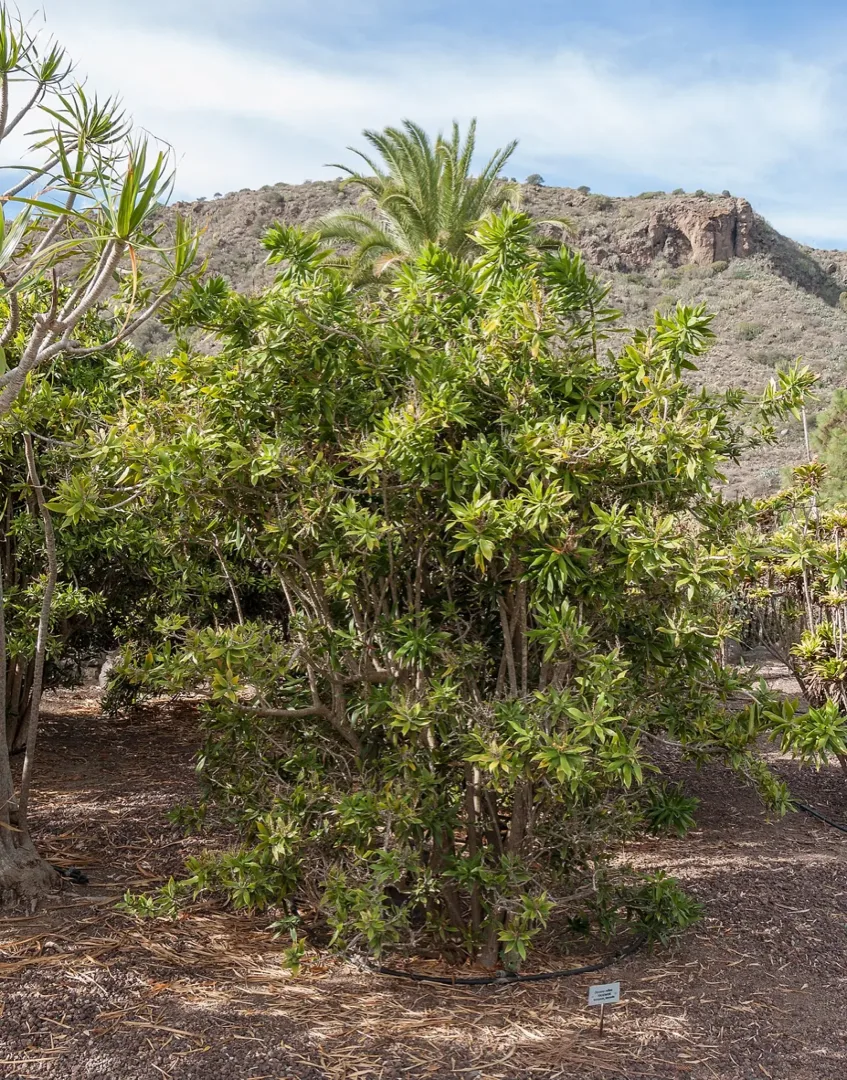
Dracaena
Dracaena marginata
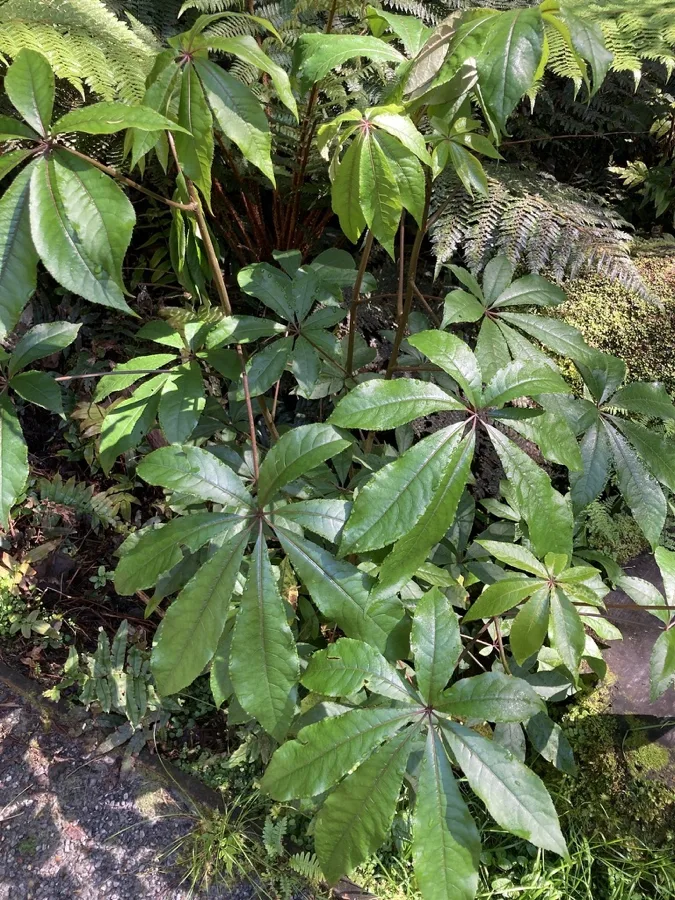
Umbrella Plant
Schefflera arboricola
 Non-toxic to pets
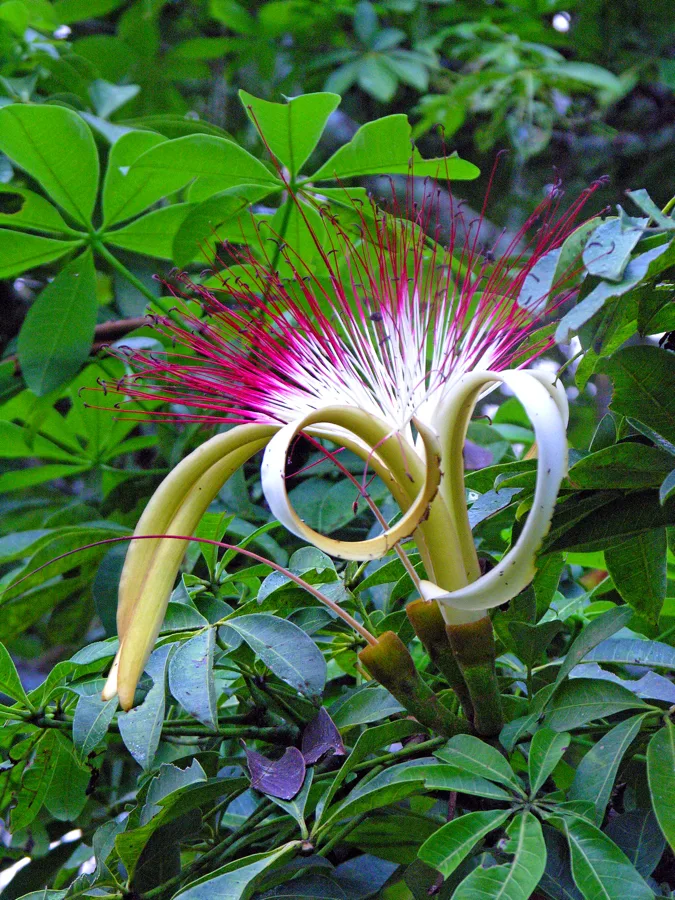
Money Tree
Pachira glabra
 Non-toxic to pets
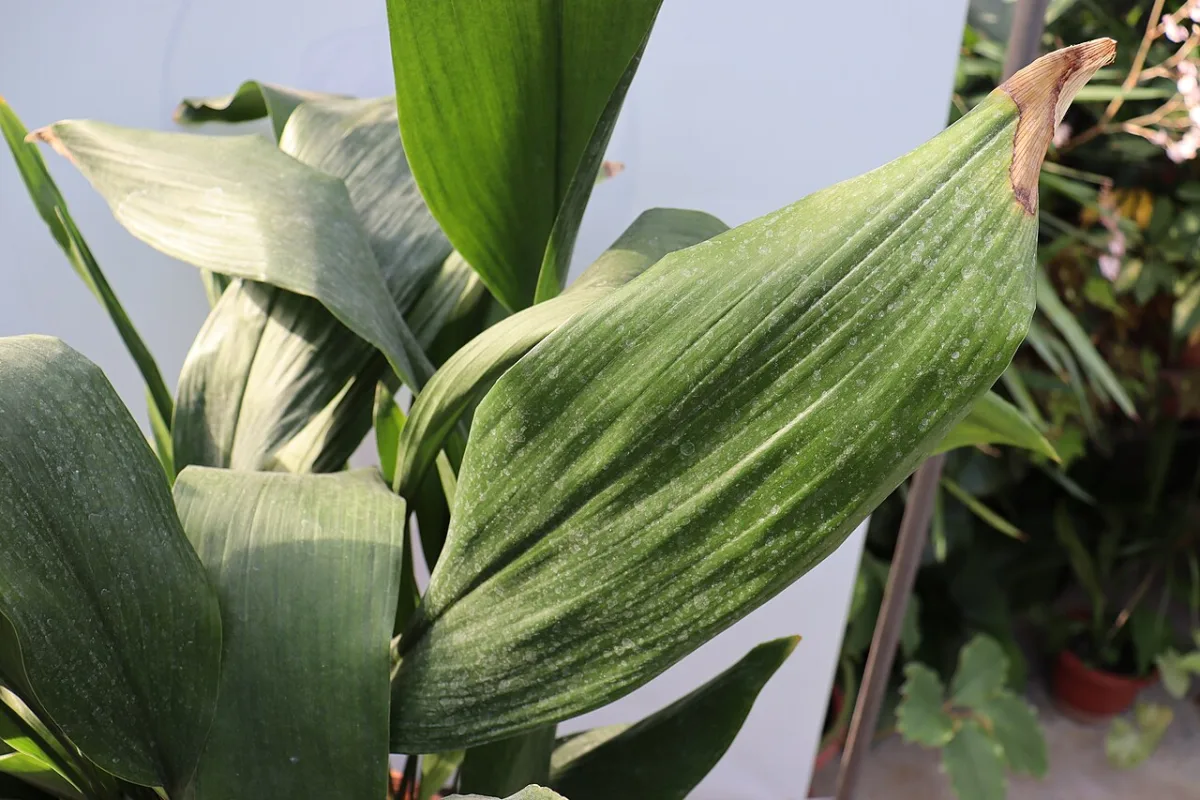
Cast Iron Plant
Aspidistra elatior
Free care tools
Keep your Yucca thriving.
Get a watering schedule for your conditions, or work out what's wrong when something looks off.