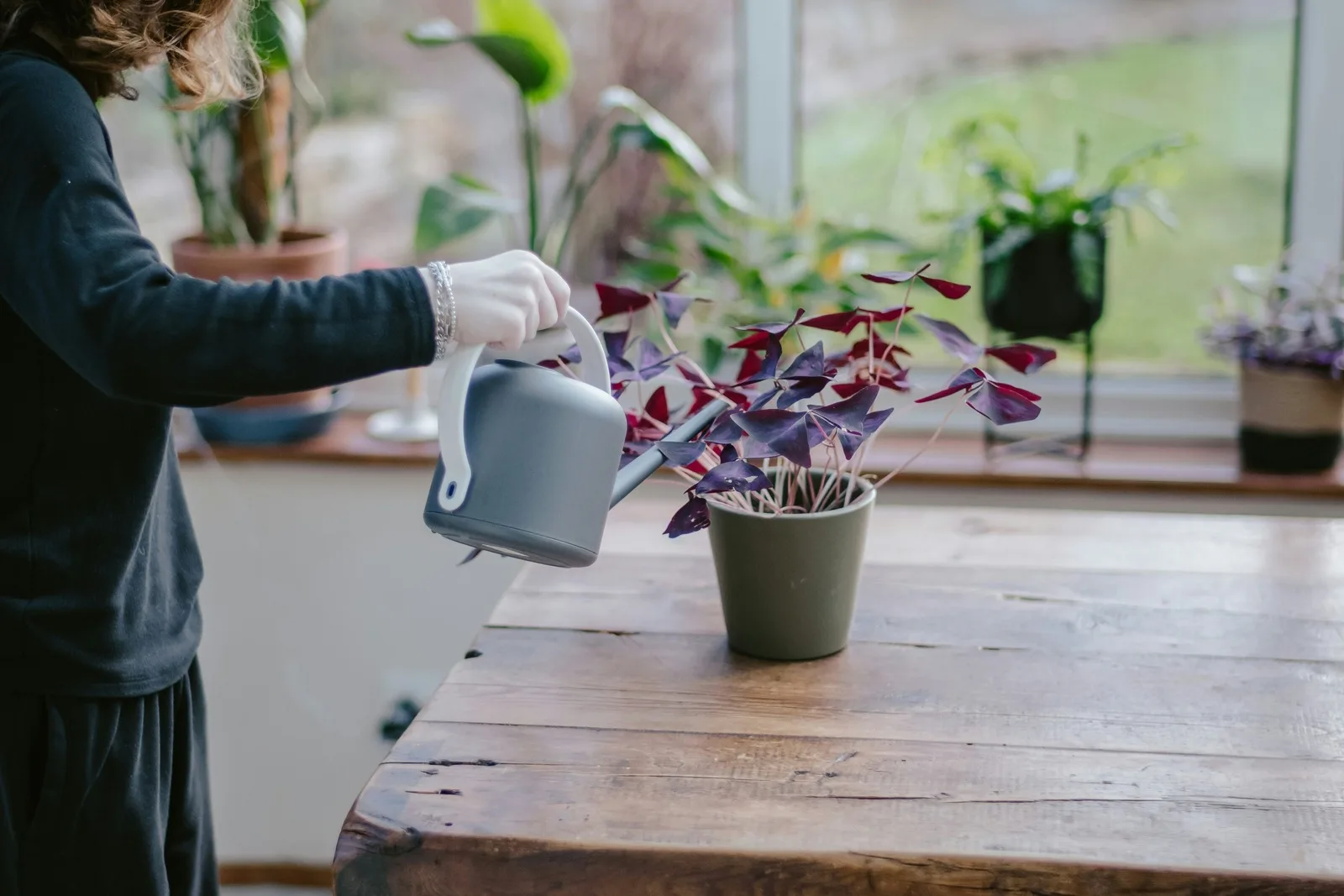
Few pieces of plant care advice are as widespread — or as debated — as the recommendation to water your orchid with ice cubes. Place 2-3 ice cubes on the potting medium once a week, and your orchid is watered. Simple, clean, no mess. It sounds like the perfect hack for a plant with a reputation for being difficult to water. But is it actually good for your orchid?
The answer is more nuanced than either side of the debate usually admits. Let us look at where this advice came from, what the evidence says, and how you should actually be watering your orchids.
The Myth
The claim: placing 2-3 ice cubes on top of an orchid's potting medium once a week is a simple, fool-proof way to water orchids. The ice melts slowly, delivering a controlled amount of water without the risk of overwatering. No measuring, no mess, no dripping.
Where It Came From
This advice did not originate from orchid growers or botanists. It was popularized by Just Add Ice Orchids, a commercial orchid brand that trademarked the "ice cube watering" method as a marketing strategy. The idea was brilliant from a business perspective: orchids have a reputation for being hard to water, and "just add ice cubes" makes them seem effortlessly simple. It lowered the barrier to purchase for grocery store and big-box store shoppers who were intimidated by orchid care.
The company reportedly commissioned university research which found that orchids watered with ice cubes performed comparably to orchids watered with room-temperature water in controlled greenhouse conditions. This research is frequently cited as proof that the method works.
The Problems With Ice Cube Watering
1. Orchids Are Tropical Plants
Phalaenopsis orchids — the type most commonly sold and the target of the ice cube method — are native to tropical Southeast Asia, where temperatures rarely drop below 60°F (15°C). Their roots evolved in warm, humid environments. Ice is approximately 32°F (0°C). Placing ice directly on or near tropical roots introduces a temperature that these plants never encounter in nature.
While individual ice cubes are small and melt quickly, repeated cold exposure to the same root area can cause localized cold damage. Orchid roots are sensitive structures, and consistent contact with near-freezing water can injure root cells, reducing their ability to absorb water and nutrients. The damage may not be immediately visible but can accumulate over months.
2. Uneven Watering
Ice cubes melt in one spot. The water trickles down through the potting medium directly below the cubes, leaving other areas of the root system dry. Orchid roots in bark-based potting medium are spread throughout the pot, and they all need moisture. Ice cube watering creates a wet channel in one area and dry pockets everywhere else.
Proper orchid watering saturates the entire root system evenly. The soak-and-drain method (described below) ensures every root gets moisture, then the medium dries uniformly between waterings. Ice cubes cannot replicate this thoroughness.
3. Insufficient Water Volume
Two to three standard ice cubes equal approximately 2-3 tablespoons (1-1.5 ounces) of water. For a small orchid in a 4-inch pot, this might be barely adequate. For a larger orchid in a 6-inch pot with extensive roots, it is almost certainly not enough water to reach all the roots. The recommended amount is enough water to thoroughly saturate the potting medium and drain out the bottom — which is typically 1/4 to 1/2 cup for a standard phalaenopsis.
4. The Research Has Limitations
As described, that research was short-term and conducted in controlled greenhouse environments with professional growers managing all other care variables. They measured survival and bloom quality but did not assess long-term root health over years of ice cube watering. They also did not test in typical home conditions — lower humidity, inconsistent temperatures, and the stress factors real orchids face.
A plant can survive suboptimal care in the short term while developing problems that manifest later. An orchid watered with ice cubes for 6 months in a greenhouse may perform fine. The same orchid in your living room for 3 years may tell a different story.
Why It Does Not Kill Orchids Immediately
In fairness, ice cube watering does not usually cause immediate harm. There are reasons it "works" in the short term:
- It prevents overwatering. One of the most common ways orchids die is root rot from overwatering. Ice cubes deliver such a small amount of water that overwatering is nearly impossible. For someone who would otherwise drown their orchid, ice cubes are the lesser evil.
- It creates a routine. "Add ice cubes on Monday" is easy to remember. Consistency matters for orchids, and any watering schedule is better than forgetting for weeks.
- Orchids are tougher than their reputation. Phalaenopsis orchids are surprisingly resilient. They tolerate imperfect care for extended periods before showing distress. An orchid can be slowly underwatered or mildly cold-stressed and still look acceptable for months.
The Right Way to Water Orchids
The soak and drain method is what experienced orchid growers recommend, and it is not complicated once you get the hang of it.
Step-by-Step
- Check if watering is needed. Stick your finger into the potting medium. If it feels dry an inch down, it is time to water. If still moist, wait. For bark-based media, this is typically every 7-10 days. For moss, every 10-14 days.
- Bring the orchid to a sink. Remove any decorative outer pot.
- Run room-temperature water through the potting medium for 15-30 seconds. Let it flow freely through the drainage holes. This saturates the bark or moss evenly and flushes out accumulated salts from fertilizer.
- Let it drain completely. Set the pot in the sink or on a rack for 10-15 minutes until water stops dripping.
- Return to its spot. Place the orchid back in its decorative pot or saucer. Never let it sit in standing water.
Total time: about 2 minutes of active effort, plus 10-15 minutes of passive draining. It is not significantly harder than placing ice cubes, and it is far more effective.
Signs You Are Watering Correctly
- Roots are firm and green (when wet) or silvery-green (when dry)
- No mushy, brown, or black roots
- Leaves are firm and upright, not wrinkled or limp
- New roots and leaves appear during the growing season
- The plant reblooms annually or more frequently
Signs of Problems
- Mushy, dark roots: Overwatering or poor drainage. Repot in fresh bark, cut off dead roots.
- Wrinkled, limp leaves: Underwatering or root damage preventing water uptake.
- Yellow lower leaves: Often natural aging, but can indicate overwatering.
- No new growth: Check light, temperature, and feeding schedule.
Bottom Line
Ice cube watering will not immediately kill your orchid, but it is an inferior method born from marketing, not horticulture. The soak-and-drain method takes the same amount of effort, provides dramatically better hydration, avoids cold stress to tropical roots, and is what many orchid growers use. Your orchid deserves room-temperature water and a thorough soak — not a slow drip of ice melt.
Frequently Asked Questions
My orchid has been watered with ice cubes for a year and looks fine. Should I switch?
Yes. The fact that your orchid has survived ice cube watering speaks to the plant's resilience, not the method's effectiveness. Switching to soak-and-drain watering may result in improved root health, more vigorous growth, and more reliable reblooming. The transition is simple — just start the new method immediately.
How do I know when my orchid needs water?
Three indicators: (1) The potting medium feels dry an inch below the surface. (2) The pot feels light when lifted — a well-watered orchid pot has noticeable weight from the wet bark. (3) The roots visible through the pot (most orchids are in clear plastic inner pots) look silvery rather than green. When 2 or more of these are true, water thoroughly.
Can orchids handle cold water at all?
Room-temperature water (65-75°F / 18-24°C) is ideal. Cold tap water — which is warmer than ice but still cool — is acceptable for most phalaenopsis orchids and will not cause damage. The concern with ice specifically is the near-freezing temperature and the repeated localized exposure. Lukewarm water is best.
My orchid is in moss instead of bark. Does that change anything?
Sphagnum moss retains more moisture than bark, so you water less frequently — typically every 10-14 days instead of every 7-10. The soak-and-drain method still applies, but be careful not to overwater. Moss that stays wet too long rots and suffocates roots. When the top layer of moss feels crispy-dry, it is time to water.