Air Purifying
Chrysanthemum
Chrysanthemum morifolium
In short: Bright indirect light · medium water needs · toxic to cats and dogs (ASPCA)
Cheerful blooms in every color of the rainbow. Chrysanthemums are best enjoyed as short-term indoor color.
- Light
- Bright Indirect
- Water
- Medium
- Humidity
- Average
- Growth
- Medium
- Mature size
- 1-3 feet
- Temperature
- 55–75°F (13–24°C)
Fall · Naturally bloom in fall when days shorten. Greenhouse-grown mums are available year-round. Blooms last 4-6 weeks. Deadhead spent flowers to extend bloomi...
Last updated
Overview
Chrysanthemum: Colorful Seasonal Blooms
Chrysanthemums are a cheerful way to bring color indoors. Florist's mums were among the plants tested in NASA's 1989 Clean Air Study, but those were sealed-chamber tests; at normal room scale the effect on indoor air is negligible.
Rainbow of Color
Available in virtually every color — yellow, white, purple, pink, red, orange, bronze — chrysanthemums brighten any room with weeks of continuous blooms.
Short-Term Superstar
- Blooms last 4-6 weeks
- Brings bold color in fall and winter
- Treat as a temporary indoor plant
- Can be planted outdoors after blooming
While not a traditional long-term houseplant, their cheerful blooms make them worth buying for seasonal color, especially during fall and winter.
Watering
Keep soil consistently moist while blooming. Water when the surface feels dry — do not let them dry out during flowering. Water at the base, not on flowers. Reduce watering if you plant outdoors after blooming. Wilted blooms from drying out may not recover.

Light
Bright indirect light indoors for longest bloom life. Direct sun shortens flower life. Place near a bright window but not in direct sun. Outdoors, full sun is fine.

Soil
Well-draining, nutrient-rich potting mix. If planting outdoors after blooming, amend garden soil with compost. Good drainage is essential.
Fertilizing
No fertilizer needed while enjoying blooms indoors. If keeping or planting outdoors, feed with balanced fertilizer in spring and summer. Stop fertilizing once buds form.
Propagation
Propagate from stem cuttings in spring. Cut 4-inch new growth stems, dip in rooting hormone, and place in moist perlite. Roots form in 3-4 weeks. Can also divide established outdoor plants in spring.

Repotting
Typically treated as temporary indoor plants. If transplanting outdoors, plant in spring after last frost. Space 18-24 inches apart in well-draining soil.

Common problems
Wilting flowers: Underwatered — keep consistently moist. May not recover once flowers wilt.
Buds not opening: Not enough light or too hot. Move to cooler, brighter spot.
Yellowing leaves: Overwatering or end of natural bloom cycle.
Mold on soil: Overwatering and poor air circulation.
Pro tips
Seasonal color: Treat potted mums like long-lasting cut flowers and replace them when blooming ends.
Plant outdoors: Garden mums can be planted outside after blooming indoors and may return year after year.
Cool extends blooms: Keep mums in a cool room (60-70°F) to maximize bloom duration.
FAQ
Chrysanthemum questions
Starter kit
Get set up for your Chrysanthemum
Untick anything you already have.
The basics

Extras for your Chrysanthemum
Was this helpful?
Your answer helps us improve this page.
Your answer didn't go through. Please try again.
Thanks for your feedback!
Similar plants
Plants like this one
 Non-toxic to pets
Areca Palm
Dypsis lutescens
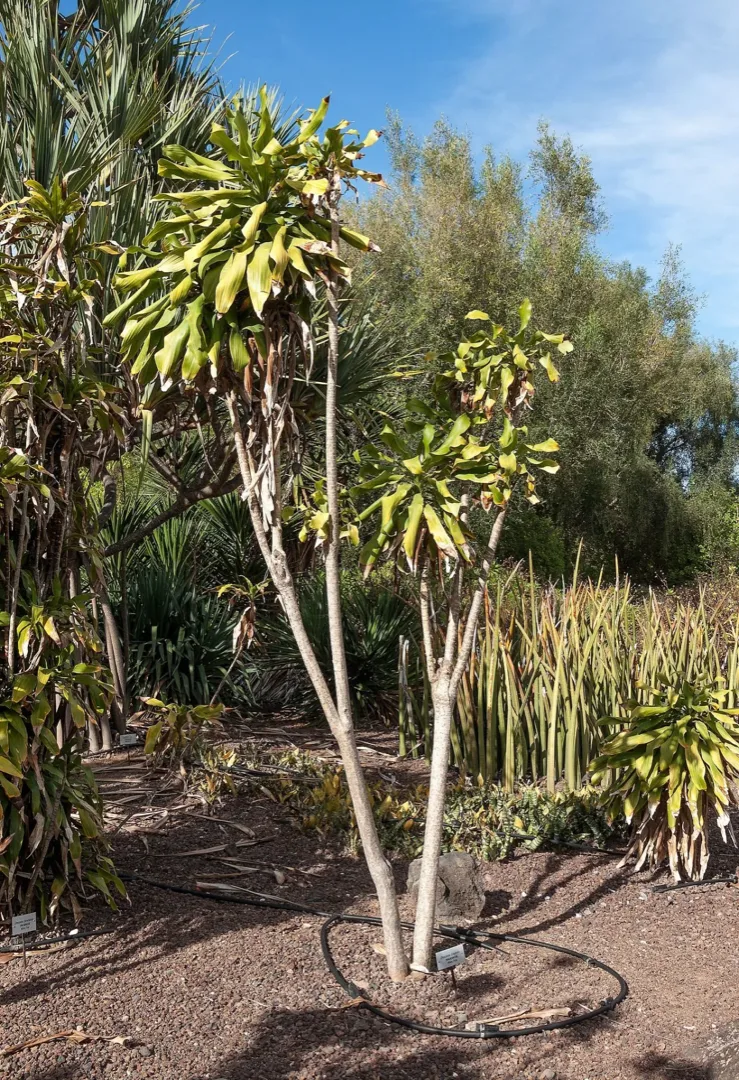
Dracaena Janet Craig
Dracaena deremensis

Snake Plant
Sansevieria trifasciata
 Non-toxic to pets
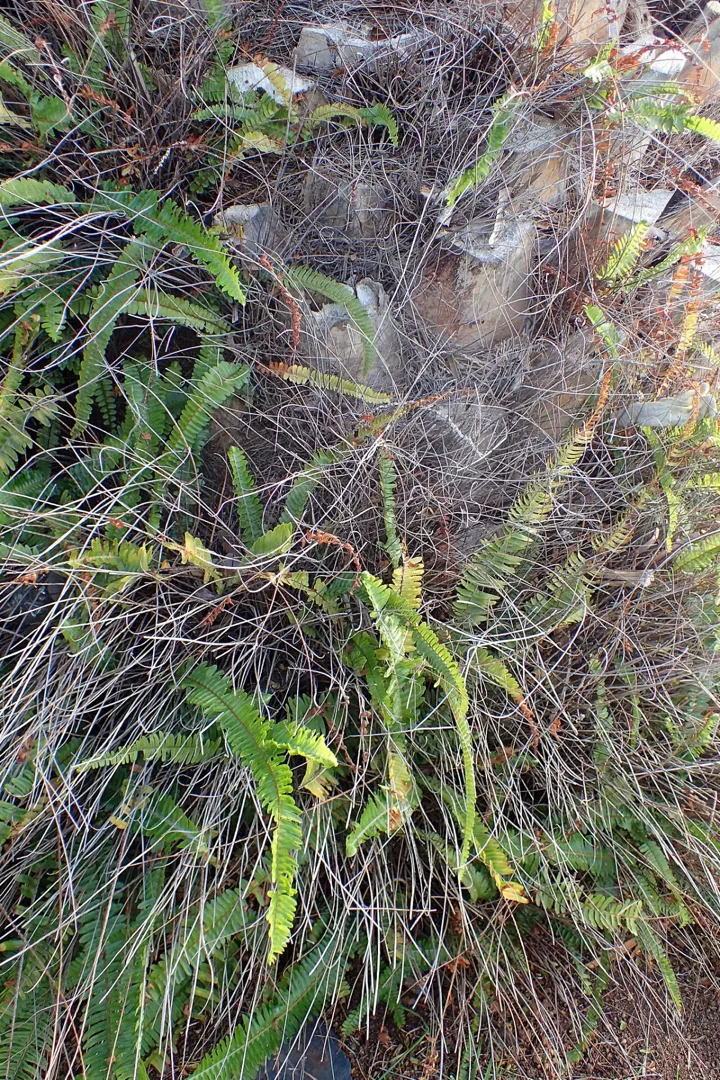
Boston Fern
Nephrolepis exaltata
Free care tools
Keep your Chrysanthemum thriving.
Get a watering schedule for your conditions, or work out what's wrong when something looks off.